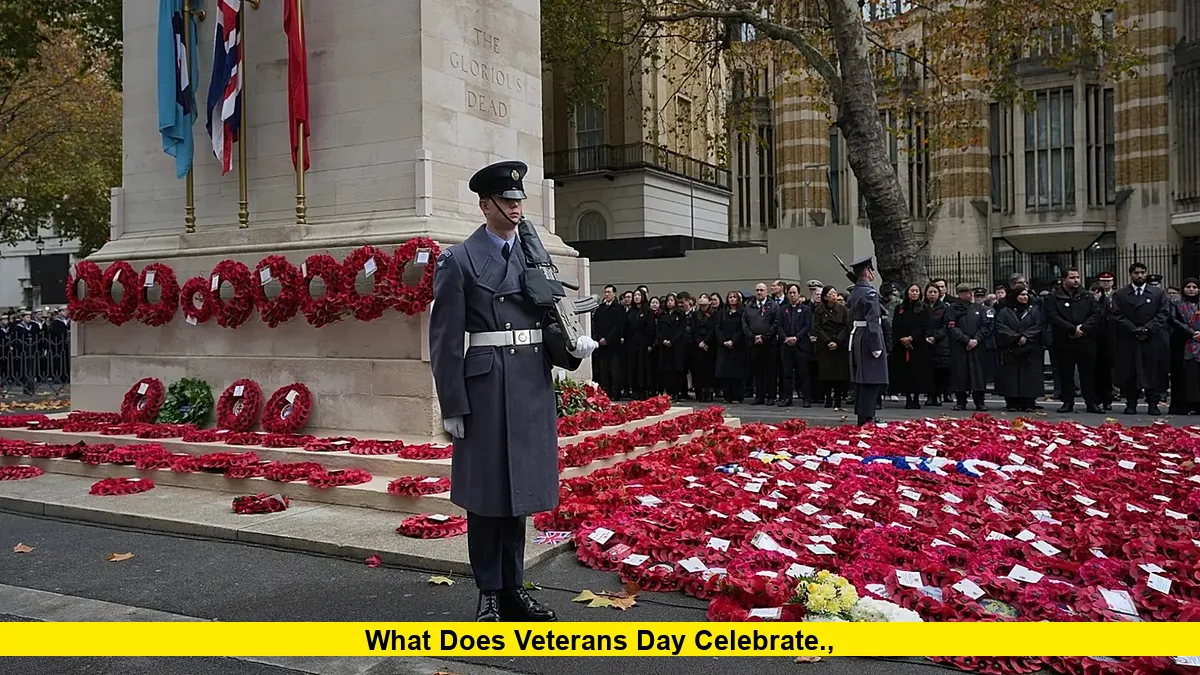
What does Veterans Day celebrate? Veterans Day celebrates the courage, dedication, and sacrifices of the men and women who have served in the United States Armed Forces. Observed every year on November 11, the federal holiday honors all American military veterans, including those who served during wartime and peacetime, whether they are still serving or have returned to civilian life.
Unlike Memorial Day, which specifically honors military personnel who died while serving their country, Veterans Day recognizes everyone who has served honorably in the U.S. military. It is an opportunity for Americans to express gratitude to veterans, recognize their contributions to national security, and reflect on the importance of military service.
Across the United States, the day is marked by military ceremonies, parades, memorial gatherings, school programs, community events, and special recognition for veterans. Government offices, schools, and many businesses also adjust their schedules to observe the federal holiday.
Understanding what Veterans Day celebrates requires looking beyond the annual ceremonies. Its history dates back to the end of World War I, and its meaning has evolved into a nationwide recognition of every generation of American military veterans.
What Does Veterans Day Celebrate in the United States?
Veterans Day celebrates all Americans who have served honorably in the U.S. Armed Forces. This includes individuals who served in the Army, Navy, Air Force, Marine Corps, Space Force, and Coast Guard.
The holiday recognizes veterans regardless of:
- Whether they served during a war or peacetime.
- Which military branch they belonged to.
- Whether they served overseas or within the United States.
- Whether they completed a short or long military career.
- Whether they are retired, separated, or otherwise no longer serving.
The central purpose of Veterans Day is to acknowledge the commitment and service of military veterans and thank them for their contributions to the country.
Military service often requires individuals to make significant personal sacrifices. Veterans may spend months or years away from their families, relocate frequently, face dangerous conditions, and accept responsibilities that place the nation’s security above their personal comfort.
Veterans Day provides an opportunity for Americans to recognize those experiences and show appreciation.
The holiday is not limited to veterans who participated in combat. Someone who served during peacetime deserves recognition just as much as someone who served in a major military conflict.
Why Is Veterans Day Celebrated on November 11?
Veterans Day is celebrated on November 11 because the date marks the anniversary of the armistice that ended the fighting in World War I.
The armistice between the Allied nations and Germany took effect at 11 a.m. on November 11, 1918, bringing an end to active hostilities on the Western Front.
The moment became historically significant and eventually inspired the establishment of a national day of remembrance and recognition.
The original observance was called Armistice Day. It was intended to recognize the end of World War I and honor the people who had served during the conflict.
Over time, the holiday developed into a broader celebration recognizing American veterans from all generations.
The date remains November 11 because of its historical connection to the end of World War I. When November 11 falls on a Saturday or Sunday, the federal government generally observes the holiday on a nearby weekday for federal employees, but the historical anniversary itself does not change.
When Did Veterans Day Become a Federal Holiday?
Veterans Day has a history that stretches back more than a century.
The observance began as Armistice Day after World War I. President Woodrow Wilson issued a message in November 1919 recognizing the first anniversary of the armistice.
In 1926, Congress passed a resolution calling for an annual observance of November 11. In 1938, Armistice Day became a federal legal holiday.
However, the holiday initially focused primarily on veterans of World War I.
After World War II and the Korean War, Americans increasingly recognized the need for a national holiday honoring veterans of every generation.
In 1954, President Dwight D. Eisenhower signed legislation changing Armistice Day to Veterans Day.
The change officially expanded the holiday’s purpose to recognize American veterans who had served in all wars and military conflicts.
Since then, November 11 has remained an important national occasion for honoring the men and women who have worn the uniform of the United States.
What Is the Difference Between Veterans Day and Memorial Day?
Veterans Day and Memorial Day are both important American holidays connected to military service, but they recognize different groups of people.
The primary difference is that Veterans Day honors everyone who has served in the military, while Memorial Day honors those who died while serving.
| Feature | Veterans Day | Memorial Day |
|---|---|---|
| Date | November 11 | Last Monday in May |
| Main purpose | Honor all military veterans | Honor military personnel who died in service |
| Who is recognized? | Veterans from wartime and peacetime service | Service members who died while serving |
| Common observances | Veterans Day ceremonies, parades, and appreciation events | Memorial services, cemetery visits, and tributes to the fallen |
| Overall meaning | Gratitude for military service | Remembrance of those who made the ultimate sacrifice |
The distinction matters because the two holidays serve different purposes. Veterans Day is an opportunity to thank living veterans and recognize the contributions of all who have served. Memorial Day is a solemn occasion to remember those who lost their lives in military service.
Americans can learn more about both observances through the U.S. Department of Veterans Affairs, which explains the meaning and history of Veterans Day.
How Do Americans Celebrate Veterans Day?
Veterans Day is observed throughout the United States through public ceremonies, community gatherings, educational activities, and personal expressions of gratitude.
Although celebrations vary by community, many observances share the same goal: recognizing the people who have served in the nation’s military.
Veterans Day parades and public ceremonies
Cities and towns often organize parades featuring veterans, active-duty service members, military vehicles, marching bands, and local organizations. These events provide opportunities for communities to recognize veterans publicly.
Some communities also organize speeches, flag ceremonies, and special gatherings at municipal buildings, parks, and veterans’ memorials.
Ceremonies at Arlington National Cemetery
One of the most prominent national observances takes place at Arlington National Cemetery in Virginia. The annual ceremony traditionally includes a wreath-laying at the Tomb of the Unknown Soldier and honors the service and sacrifice of American military personnel.
The ceremony reflects the holiday’s historical connection to November 11, 1918, and its broader purpose of recognizing all veterans.
School programs and educational activities
Schools may organize assemblies, invite veterans to speak about their experiences, and teach students about military history and the importance of public service.
Students may write thank-you letters, create classroom displays, or participate in community projects honoring veterans.
These activities help younger generations understand that Veterans Day is more than a day off from school. It is an opportunity to learn about the people and experiences behind the holiday.
Community events and veterans’ recognition programs
Local governments, veterans’ organizations, nonprofit groups, and community centers frequently host breakfasts, luncheons, recognition ceremonies, and volunteer activities.
Some events focus on particular groups of veterans, including those who served in World War II, the Korean War, the Vietnam War, the Gulf War, and more recent military operations.
Personal expressions of gratitude
Celebrating Veterans Day does not require attending a large event. Americans can thank a veteran they know, listen to a veteran’s experiences, attend a local ceremony, or support organizations that assist former service members.
Small gestures can make the day meaningful, particularly when they demonstrate genuine appreciation rather than treating the holiday as simply another calendar event.
Why Is Veterans Day Important?
Veterans Day is important because military service can affect every part of a person’s life, from family relationships and career decisions to physical well-being and long-term plans.
The holiday provides a dedicated opportunity to recognize those contributions and reflect on the responsibilities that come with honoring veterans.
Recognizing service and sacrifice
Military personnel may face dangerous assignments, extended deployments, separation from loved ones, and demanding physical and mental responsibilities.
Veterans Day acknowledges these experiences and recognizes the dedication required to serve in the Armed Forces.
Preserving American military history
Veterans represent different generations of American history. Their experiences help explain how military conflicts, national security decisions, and international events have affected the country.
Listening to veterans and preserving their stories helps future generations understand history through personal experiences as well as textbooks.
The Library of Congress Veterans History Project provides a way to explore veterans’ firsthand accounts of military service and related experiences.
Supporting veterans beyond a single day
Veterans Day also draws attention to the importance of helping former service members transition to civilian life.
Some veterans need assistance with employment, education, housing, health care, or accessing benefits they earned through their service. Others benefit from community connections, mentorship, and opportunities to share their professional skills.
Recognizing veterans on November 11 is meaningful, but sustained support throughout the year is equally important.
Strengthening community connections
Veterans Day brings together people from different backgrounds to recognize a shared national commitment to those who served.
Public ceremonies and local events create opportunities for veterans, military families, students, and other residents to connect and learn from one another.
Who Qualifies to Be Honored on Veterans Day?
Veterans Day honors people who have served in the United States Armed Forces, including veterans of both wartime and peacetime service.
The holiday is not restricted to people who fought in combat or served in a particular conflict.
Veterans from the Army, Navy, Air Force, Marine Corps, Space Force, and Coast Guard are included in the observance. Eligible former members of these services may have served in active-duty, reserve, or National Guard capacities.
However, the term veteran can have specific legal definitions depending on the program or benefit involved. Eligibility for a particular government benefit may depend on factors such as the type of service, discharge status, and other statutory requirements.
For that reason, the broad purpose of Veterans Day should be distinguished from the eligibility rules for individual veterans’ benefits.
Americans seeking official information about veteran status, services, and benefits can consult the U.S. Department of Veterans Affairs.
Is Veterans Day a Federal Holiday?
Yes. Veterans Day is a federal holiday in the United States, observed annually on November 11.
Federal holiday status means many federal government offices close or adjust their operations. Some state and local government offices, schools, banks, and private businesses may also close, although their schedules vary.
The holiday does not automatically require every private employer to close. Individual businesses determine their operating hours according to their policies and applicable laws.
When November 11 falls on a weekend, the federal government may designate an alternative weekday for observing the holiday for federal employees. Nevertheless, Veterans Day itself remains November 11.
For information about federal holidays and their observance, readers can consult the official USA.gov holiday guide.
Why Is Veterans Day Sometimes Confused With Armistice Day?
Veterans Day was originally known as Armistice Day, which commemorated the end of fighting in World War I.
The name changed in 1954 after the United States had experienced World War II and the Korean War. Congress recognized that the nation needed a holiday honoring veterans from all military conflicts rather than focusing exclusively on World War I.
The change expanded the holiday’s meaning without removing its historical connection to the November 11 armistice.
The date is also significant because of its association with the end of hostilities at 11 a.m. on November 11, 1918. That timing continues to influence traditional ceremonies and moments of reflection.
The National Archives’ history of Veterans Day provides additional historical context about the transition from Armistice Day to Veterans Day.
What Can You Do to Honor Veterans on Veterans Day?
There are several practical ways to recognize veterans and make the holiday meaningful.
- Thank a veteran: Offer a sincere expression of gratitude to someone who has served.
- Attend a local ceremony: Check community announcements for Veterans Day parades, memorial services, and recognition events.
- Listen to veterans’ stories: Give veterans an opportunity to share their experiences if they wish to do so.
- Learn about military history: Explore the history of American military service and the events that shaped the holiday.
- Support veteran-focused organizations: Consider volunteering with reputable organizations that assist veterans and military families.
- Help veterans access resources: Share accurate information about available employment, education, housing, and benefit programs when appropriate.
- Teach children about the holiday: Explain why Veterans Day exists and how it differs from Memorial Day.
- Recognize military families: Acknowledge the contributions of spouses, children, and other family members who support service members and veterans.
It is important to remember that veterans have different experiences and preferences. Some appreciate public recognition, while others prefer a quiet thank-you or a private conversation.
The most meaningful approach is to express gratitude respectfully and recognize veterans as individuals rather than assuming they all share the same experiences.
Final Thoughts
Veterans Day celebrates the men and women whose military service has helped shape and protect the United States. Its origins in the World War I armistice connect the holiday to a pivotal moment in history, while its modern purpose extends to veterans from every generation and every era of service.
The holiday is an opportunity to express gratitude, preserve veterans’ stories, educate younger generations, and recognize the importance of supporting former service members throughout the year. Whether through a public ceremony, a personal thank-you, or meaningful community involvement, Americans can help ensure that veterans’ contributions are remembered and respected.
How do you plan to honor America’s veterans this Veterans Day? Share your thoughts and help keep the stories of those who served alive.