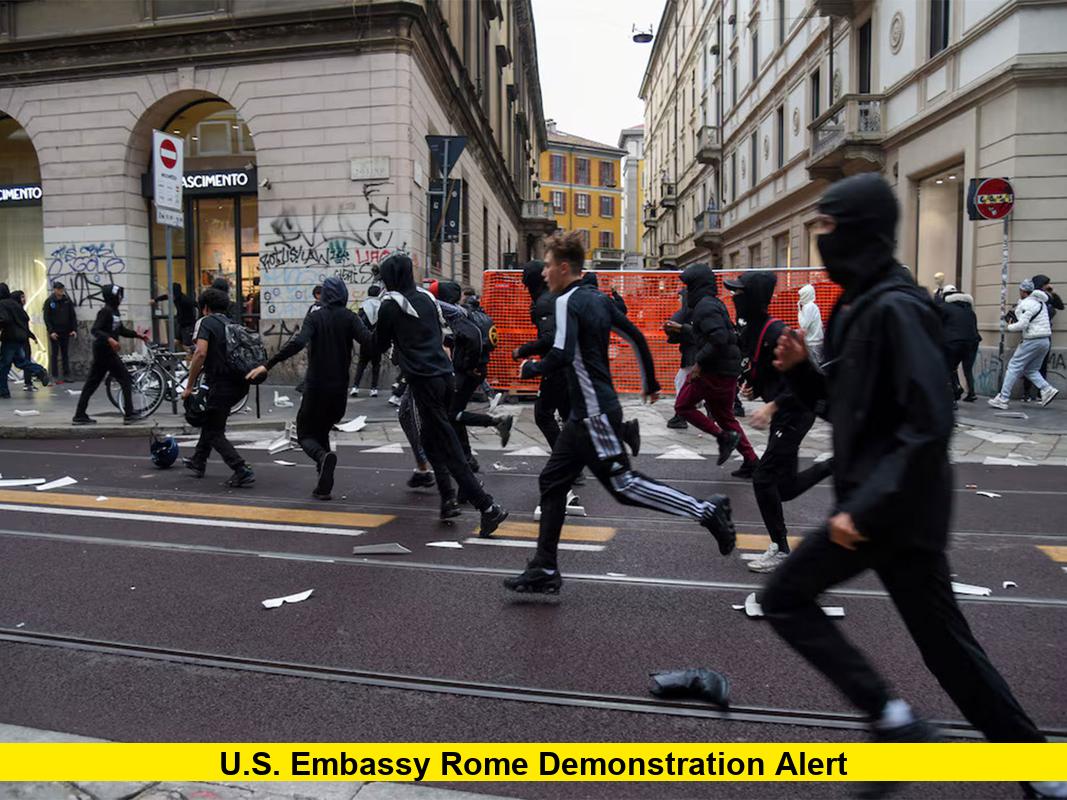
The U.S. Embassy in Rome issued a demonstration alert on October 23, 2026, advising American citizens to avoid protest areas, monitor local news, and prepare for possible traffic and public transportation disruptions during demonstrations scheduled across Rome on October 24.
The Demonstration Alert issued by the U.S. Embassy in Rome, Italy, on October 23, 2026, warned American citizens about an elevated likelihood of demonstrations and protests in Rome and other major Italian cities. The alert highlighted planned gatherings for Saturday, October 24, and encouraged U.S. citizens to avoid protest routes, monitor local developments, and prepare to adjust their travel plans as needed.
Latest developments after October 23
- October 24 — Protests and clashes in Rome: The Associated Press reported brief clashes between police and demonstrators in Rome. Police used tear gas and water cannons during unrest associated with an anti-war march. Some protesters also attempted to enter the Colosseum area.
- October 24 — Protests across Italy: Reuters reported demonstrations in Rome, Turin and Bologna, while rallies in Milan were largely peaceful. Reuters witnesses reported no looting or property damage during Saturday’s demonstrations.
- October 26 — Travel safety update: Australia’s official Smartraveller travel advice continued to warn that demonstrations in Italy could escalate quickly. It advised travelers to avoid protest areas, monitor local news and allow extra time for travel.
U.S. Embassy Rome Demonstration Alert: Latest Update
The U.S. Embassy in Rome issued its alert amid concerns about demonstrations expected across Italy during the weekend of October 24, 2026. The notice advised American citizens to exercise caution around public gatherings and follow guidance from Italian authorities.
The warning identified several planned demonstrations in Rome, with possible effects on road access, traffic conditions, and movement through busy areas of the city. Authorities could introduce temporary road closures, traffic restrictions, and an increased police presence near demonstration routes.
Although demonstrations can remain peaceful, large gatherings can change quickly. Travelers are therefore encouraged to stay informed and avoid unnecessary exposure to crowded protest areas.
Why Did the U.S. Embassy Issue the Demonstration Alert?
The U.S. Embassy in Rome issued the demonstration alert because of the increased likelihood of public protests in Rome and other major Italian cities during the weekend of October 24–25, 2026. The warning was intended to inform American citizens about potential disruptions and help them take appropriate precautions while traveling or staying in Italy.
Demonstrations in Italy can arise from political disagreements, economic concerns, labor disputes, education policies, social issues, and international developments. Depending on their size and location, public gatherings may affect major streets, public squares, railway stations, and popular tourist destinations. Travelers could experience traffic congestion, temporary road closures, changes to public transportation routes, and delays when moving around affected areas.
The alert was particularly relevant to Americans planning to visit central Rome, where demonstrations may disrupt access to landmarks, shopping districts, government buildings, and transportation hubs. The embassy encouraged U.S. citizens to avoid protest locations, monitor local news, remain aware of their surroundings, and follow instructions from Italian law enforcement authorities.
Although many demonstrations remain peaceful, large gatherings can sometimes lead to unexpected disruptions or confrontations. Staying away from crowded protest areas can help travelers reduce potential risks and avoid unnecessary delays.
The demonstration alert does not constitute a nationwide travel ban or an instruction for Americans to leave Italy. Instead, it provides precautionary information about a specific security situation that could affect certain locations and travel plans.
American citizens should also distinguish this alert from the broader U.S. Department of State travel advisory for Italy. Travelers are encouraged to review official security updates before visiting affected areas and adjust their itineraries when necessary. Checking local transportation announcements can also help visitors plan their journeys more effectively and avoid unexpected disruptions during their stay.
Demonstrations Identified in Rome
The October 23 alert highlighted three planned or possible demonstrations in Rome for October 24, 2026.
Student Demonstration Near Piazza della Libertà
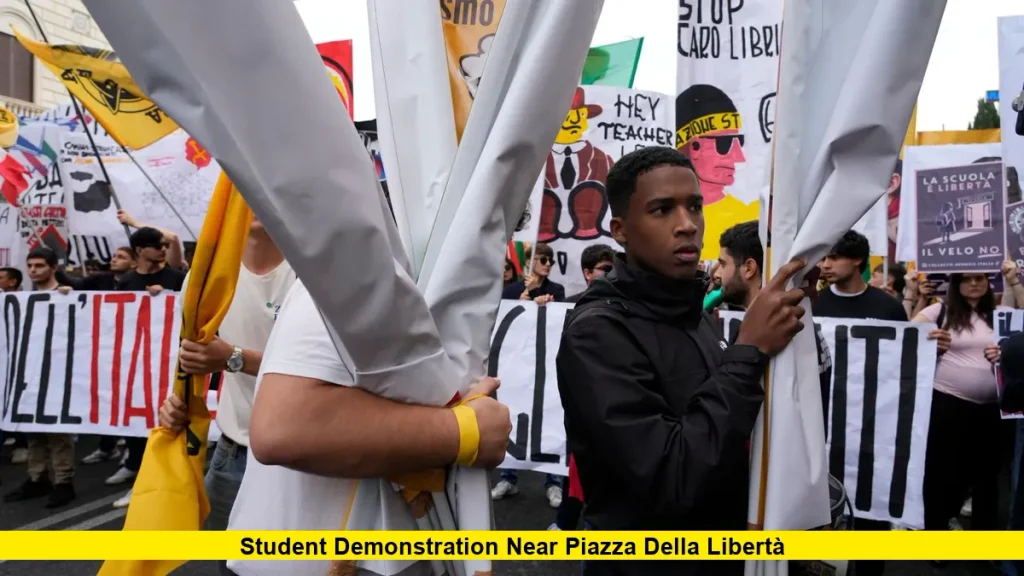
A demonstration organized by Azione Universitaria and Azione Studentesca, under the name “Sblocchiamo tutto,” was scheduled to begin at approximately 10:30 a.m.
The planned march was expected to start at Piazza della Libertà, continue along Via Cola di Rienzo, and finish at Piazza Risorgimento.
Visitors traveling through these areas were advised to consider alternative routes and allow additional time for transportation.
Demonstration Against Italy’s Involvement in War
A second march, titled “Fuori l’Italia dalla guerra,” was scheduled for approximately 2 p.m.
The planned route was to begin at Piazza della Repubblica, pass through the area around Termini railway station, continue along Via Cavour and Via dei Fori Imperiali, and head toward the Colosseum.
Because this route passes through areas frequently visited by tourists, the demonstration could affect sightseeing plans, pedestrian access, and traffic around central Rome.
Travelers planning to visit major historic attractions should check local updates before leaving their accommodation.
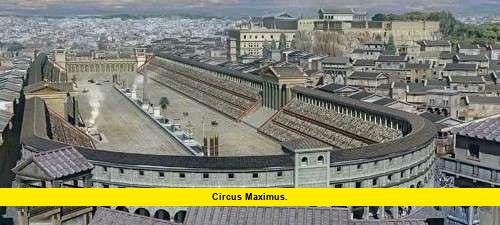
Possible Gathering at Circus Maximus
A third possible demonstration associated with Movimento 17 ottobre was identified for approximately 3 p.m. near Circus Maximus.
The gathering was described as possible rather than definitively confirmed. Travelers should therefore distinguish between a scheduled event and a potential gathering when reviewing security information.
Anyone planning to visit Circus Maximus or nearby attractions should monitor local reports and follow instructions from police.
What Should U.S. Citizens Do in Rome?
American citizens in Rome should take practical steps to reduce the likelihood of encountering disruptions during demonstrations.
Avoid protest routes and surrounding areas. Do not approach large gatherings to watch, photograph, or participate unless you have a clear reason to be there and understand the associated risks.
Monitor local news. Italian media can provide timely information about changing protest locations, road closures, police activity, and public transportation disruptions.
Prepare alternative travel plans. Consider different walking routes, allow additional time for appointments, and check transportation services before heading to train stations, tourist attractions, or the airport.
Remain aware of your surroundings. If a crowd grows tense or police begin managing a gathering, move away calmly and follow official instructions.
Keep identification accessible. Carry appropriate identification and maintain secure access to essential travel documents and emergency contact information.
Maintain a low profile. Avoid confrontations, political arguments, and unnecessary involvement in demonstrations. If you unexpectedly encounter a protest, leave the immediate area when it is safe to do so.
Inform family or friends of your plans. Let someone know where you are staying and how to reach you, particularly if your itinerary changes because of a demonstration.
Could Demonstrations Affect Travel Around Rome?
Yes. Demonstrations can affect travel around Rome, particularly when marches or public gatherings take place in central neighborhoods, major traffic corridors, railway station areas, and popular tourist districts. Depending on the size and location of a protest, local authorities may temporarily close roads, restrict vehicle access, redirect traffic, or establish security perimeters around demonstration sites.
These measures can cause delays for motorists, pedestrians, and public transportation users. Bus and tram services may be diverted from their usual routes, while crowded streets and sidewalks can make it more difficult to reach nearby destinations. Access to historic landmarks, shopping areas, government buildings, and other public spaces may also be affected while demonstrations are underway.
Travelers visiting Rome during the demonstration period should check local transportation announcements and news reports before leaving their accommodation. Allowing additional time for journeys is particularly important for visitors traveling to airports, railway stations, hotels, or scheduled tours. Even if a demonstration does not directly affect a traveler’s destination, nearby road closures and traffic congestion may cause indirect delays.
If a planned route passes close to a demonstration, choosing an alternative route is generally the more prudent option. Visitors should avoid walking through protest crowds or attempting to cross police-controlled areas and should follow instructions issued by local authorities.
Travelers with train tickets, airport transfers, guided tours, or other scheduled reservations should confirm arrangements directly with the relevant transportation provider or service operator if disruptions are possible. Checking for updates shortly before departure can help visitors make timely adjustments.
Although demonstrations do not necessarily disrupt the entire city, remaining flexible and monitoring local conditions can help Americans navigate Rome more safely and reduce the likelihood of unexpected travel delays.
Is Rome Safe for American Tourists?
The demonstration alert does not, by itself, mean that Rome is unsafe for all American tourists. Instead, it highlights concerns related to planned public gatherings, potential crowding, and possible transportation disruptions. Visitors can continue making travel decisions by considering the latest security information, the locations of demonstrations, and any instructions issued by local authorities.
Italy’s U.S. Department of State travel advisory has separately identified terrorism as a security concern and advises travelers to exercise increased caution. Demonstrations also occur regularly in Italy and can sometimes develop unpredictably, affecting nearby streets, public transportation, and access to public spaces. However, a demonstration alert should not be interpreted as evidence that every neighborhood or tourist attraction faces the same level of risk.
American visitors can take practical precautions to reduce avoidable problems during their stay. These include staying away from protest gatherings, following police instructions, keeping personal belongings secure in crowded areas, and checking local news and official security announcements before visiting busy locations. Travelers should also allow extra time for transportation and remain flexible if planned routes become inaccessible.
The latest U.S. travel advisory lists Italy at Level 2: Exercise Increased Caution, citing terrorism. It also warns about pickpocketing and other petty crime in popular tourist areas and on public transportation.
U.S. Embassy Rome Alert and Italy’s Travel Advisory: What’s the Difference?
A demonstration alert and a countrywide travel advisory serve different purposes.
A demonstration alert provides targeted information about a particular security concern, such as planned protests, expected gatherings, or potential local disruptions.
A travel advisory provides a broader assessment of security risks throughout a country and recommends an overall level of caution.
The October 23, 2026, demonstration alert focused on anticipated protests and precautions for American citizens. It did not automatically change Italy’s overall travel advisory level.
Travelers should review both types of information when planning an international trip.
What Should Americans Do If They Encounter a Protest?
If you unexpectedly encounter a demonstration in Rome, avoid moving toward the crowd or attempting to cross through it. Look for a safe route away from the gathering and follow directions from local police.
If a nearby street becomes blocked, do not attempt to bypass police barriers or enter restricted areas. Check local transportation updates and choose another route when possible.
If you feel unsafe, move to a secure public location away from the crowd and contact local emergency services if necessary.
In Italy, the emergency number is 112. U.S. citizens who need consular assistance should consult official U.S. Embassy guidance for current contact information and available services.
How American Travelers Can Stay Updated
U.S. citizens visiting Italy should monitor official embassy security alerts and the State Department’s Italy travel advisory for changes in conditions.
Travelers can also enroll in the Smart Traveler Enrollment Program, commonly known as STEP, to receive relevant information from the U.S. government while abroad.
Checking updates before leaving a hotel, confirming transportation arrangements, and keeping emergency contacts accessible can help travelers respond to changing conditions.
Because demonstration schedules and routes can change, information published before an event should not be treated as a guarantee that the gathering will occur exactly as planned.
FAQs
What is the U.S. Embassy Rome demonstration alert for October 23, 2026?
It is a security notice warning American citizens about an elevated likelihood of demonstrations and protests in Rome and other major Italian cities, particularly on October 24, 2026.
Which areas of Rome were identified in the alert?
The listed routes and locations included Piazza della Libertà, Via Cola di Rienzo, Piazza Risorgimento, Piazza della Repubblica, Termini railway station, Via Cavour, Via dei Fori Imperiali, the Colosseum area, and a possible gathering near Circus Maximus.
Should Americans cancel their trips to Rome?
The demonstration alert alone does not instruct all Americans to cancel their trips or leave Italy. Travelers should review current security information, avoid demonstration areas, and adjust their plans if local conditions warrant it.
Could public transportation be affected?
Yes. Demonstrations can lead to traffic restrictions, road closures, and possible public transportation changes. Travelers should check current service information before departing.
What is the emergency number in Italy?
The emergency number is 112. Travelers should use it when immediate assistance from emergency services is required.
Does the alert mean Italy’s travel advisory has changed?
No automatic change follows from a demonstration alert. Italy’s overall travel advisory is a separate assessment, and travelers should check its latest status independently.
Final Update on the U.S. Embassy Rome Demonstration Alert
The U.S. Embassy Rome demonstration alert issued on October 23, 2026, advised American citizens to remain alert as demonstrations were expected in Rome and other major Italian cities during the following day.
The main recommendations were to avoid protest routes and nearby gathering areas, follow Italian news and official instructions, remain aware of changing conditions, and prepare alternative travel arrangements.
For Americans visiting Rome, the most useful approach is to monitor current information, avoid unnecessary exposure to demonstrations, and remain flexible when planning transportation and sightseeing. These precautions can help travelers navigate potential disruptions while making informed decisions throughout their visit.