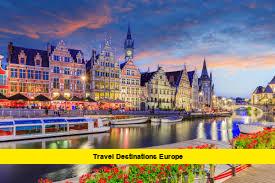
Europe is entering a powerful new travel era, and travel destinations europe are seeing shifting demand, rising interest in lesser-known cities, and changing travel patterns driven by cost, crowding, and cultural experiences.
A New Era for European Travel in 2026
Travel demand across Europe remains strong in 2026, but the way Americans plan trips is evolving fast. Airlines, tourism boards, and destination cities are responding to new traveler priorities: affordability, authenticity, and avoiding overcrowded hotspots.
Recent travel industry data shows a clear shift. U.S. travelers are increasingly looking beyond traditional cities like Paris and Rome and exploring emerging destinations such as Kraków, Budapest, and Dublin.
At the same time, rising fuel costs tied to global economic pressures are pushing airfare prices higher, with long-haul flights to Europe climbing compared to previous years.
If you’re planning a European trip this year, timing and destination choice matter more than ever.
Planning a trip to Europe this year? Start building your itinerary early and lock in flights before prices climb further.
Why Americans Are Choosing New European Destinations
The biggest story in 2026 travel is the shift away from overcrowded cities toward fresh, culturally rich alternatives.
Eastern Europe is leading this trend. Cities like Prague, Sofia, and Budapest are seeing major growth in interest thanks to lower costs and fewer crowds.
Travel demand toward Central and Eastern Europe has surged compared to previous years, reflecting a growing appetite for destinations that offer value without sacrificing experience.
These destinations offer:
- Lower hotel and dining costs
- Rich history and architecture
- Less congestion than Western Europe
- Unique cultural experiences
For U.S. travelers, this combination delivers better value and a more relaxed travel experience.
The Overtourism Effect: Why Travelers Are Skipping the Classics
Overtourism continues to reshape Europe travel decisions in 2026.
Cities like Florence and Venice remain iconic, but they face heavy visitor volumes, especially during peak seasons. This has prompted many travelers to seek quieter alternatives nearby.
In Italy, lesser-known towns such as Monteriggioni, Pienza, and Volterra are gaining popularity. These destinations offer historic charm, walkable streets, and authentic local culture—without the crowds.
This shift reflects a broader change in traveler mindset. Instead of rushing through crowded landmarks, visitors now prioritize meaningful, immersive experiences.
Top Trending European Cities for 2026
Kraków, Poland
Kraków is quickly becoming one of Europe’s most compelling destinations for American travelers seeking history, culture, and value in one place. Unlike many Western European capitals that feel saturated during peak seasons, Kraków offers a more relaxed and immersive experience without sacrificing world-class attractions.

At the heart of the city lies the UNESCO-listed Old Town, one of the best-preserved medieval centers in Europe. The Main Market Square, known as Rynek Główny, serves as the vibrant core, where historic buildings, street performers, and outdoor cafés create a lively atmosphere from morning to late evening. Visitors can explore iconic landmarks such as St. Mary’s Basilica and Wawel Castle, both of which showcase Poland’s deep cultural and architectural heritage.
Beyond its historic appeal, Kraków has developed a dynamic modern identity. The city’s café culture rivals that of Western Europe, with independent coffee shops, bakeries, and wine bars lining cobblestone streets. Neighborhoods like Kazimierz, the historic Jewish quarter, have transformed into creative hubs filled with art galleries, vintage stores, and trendy eateries.
Affordability is a major reason Kraków stands out in 2026. Compared to cities like Paris or London, travelers can enjoy high-quality accommodations, dining, and cultural experiences at a fraction of the cost. This makes it particularly attractive for longer stays or multi-city European itineraries.
Kraków also serves as a gateway to important historical sites, including Auschwitz-Birkenau and the Wieliczka Salt Mine, both of which provide powerful and educational experiences. With its balance of history, culture, and value, Kraków offers a deeper, more meaningful European journey.
Budapest, Hungary
Budapest continues to rise as one of Europe’s most visually stunning and culturally rich destinations. Split by the Danube River into Buda and Pest, the city offers a striking blend of old-world elegance and modern vibrancy.
Budapest’s skyline is one of the most recognizable in Europe, highlighted by the Hungarian Parliament Building, Buda Castle, and the Chain Bridge. These landmarks are especially breathtaking at night when illuminated along the river, creating a postcard-perfect scene that draws photographers and travelers alike.
One of Budapest’s most unique attractions is its thermal bath culture. The city is home to dozens of natural hot springs, and historic bathhouses like Széchenyi and Gellért provide a relaxing yet social experience unlike anywhere else in Europe. These baths are not just for wellness—they are an integral part of local life.

Budapest also thrives as a nightlife destination. Its famous “ruin bars,” set inside abandoned buildings and courtyards, offer an eclectic mix of music, art, and social energy. These venues have become iconic, attracting younger travelers and digital nomads seeking a lively atmosphere.
Food is another highlight. Hungarian cuisine, known for dishes like goulash and chimney cake, is both flavorful and affordable. In recent years, Budapest has also embraced global culinary trends, with a growing number of fine-dining restaurants and fusion concepts.
Despite its rising popularity, Budapest remains relatively affordable compared to other major European capitals. This combination of beauty, culture, and value makes it a top choice for travelers in 2026.
Dublin, Ireland
Dublin offers a unique blend of historic charm and contemporary energy, making it a favorite among American travelers. Its accessibility, English-speaking environment, and cultural familiarity make it an easy entry point into European travel.
Dublin’s identity is deeply rooted in storytelling, literature, and music. The city has produced some of the world’s most celebrated writers, and visitors can explore this legacy through landmarks like Trinity College and the Book of Kells. Literary pubs and guided tours bring this history to life in an engaging and interactive way.
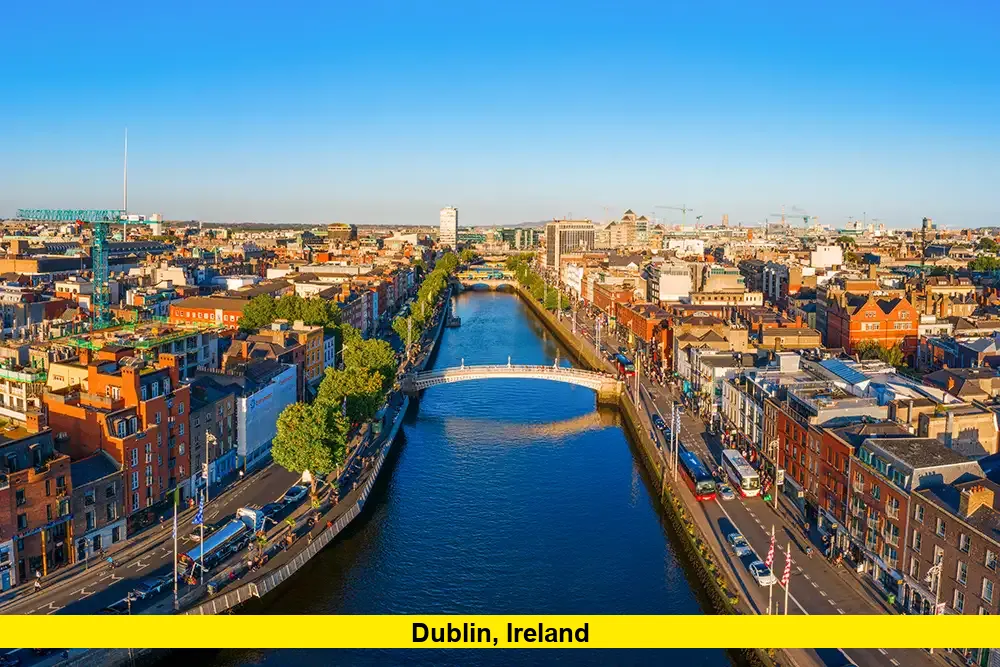
The city’s social scene is equally compelling. Areas like Temple Bar are known for their lively atmosphere, traditional Irish music, and vibrant nightlife. While it can be busy, it remains a must-visit for first-time travelers looking to experience Dublin’s energy.
Beyond the city center, Dublin offers easy access to scenic coastal landscapes and historic sites. Day trips to places like Howth or the Wicklow Mountains provide a refreshing contrast to urban exploration, allowing visitors to experience Ireland’s natural beauty.
Dublin’s food scene has also evolved significantly. From classic Irish fare to modern international cuisine, the city now caters to a wide range of tastes. Farmers markets, artisan bakeries, and innovative restaurants have elevated Dublin’s culinary reputation.
While Dublin can be more expensive than some other European cities, many travelers find the experience well worth the cost. Its welcoming atmosphere, rich culture, and vibrant social life make it a standout destination.
Brussels, Belgium
Brussels is experiencing a cultural revival, positioning itself as one of Europe’s most exciting urban destinations in 2026. Often overshadowed by nearby cities like Paris and Amsterdam, Brussels is now stepping into the spotlight with renewed energy and creativity.
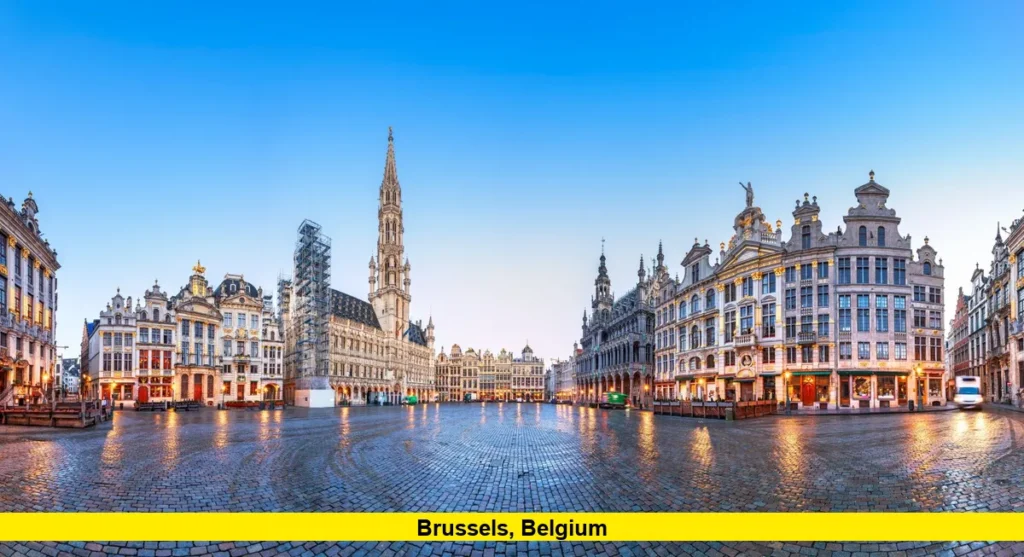
The city’s historic center, anchored by the Grand Place, remains one of Europe’s most beautiful squares. Surrounded by ornate guildhalls and historic architecture, it offers a glimpse into Belgium’s rich past. Nearby, visitors can explore museums, galleries, and cultural institutions that highlight both classical and contemporary art.
Brussels is also known as the capital of comic art, with murals and exhibitions celebrating iconic characters throughout the city. This playful element adds a unique charm and makes exploring the streets feel like a cultural treasure hunt.
Food is a major draw. Brussels is world-famous for its waffles, chocolate, and beer, but the city’s culinary scene goes far beyond these staples. Michelin-starred restaurants, innovative chefs, and diverse international cuisines are helping redefine Brussels as a serious food destination.
In recent years, investments in public spaces, cultural venues, and infrastructure have made the city more accessible and appealing to visitors. New art centers and creative districts are attracting younger travelers and artists, contributing to a vibrant urban atmosphere.
Brussels also serves as a convenient travel hub. Its central location and strong rail connections make it easy to explore neighboring countries like France, the Netherlands, and Germany.
With its mix of history, culture, and modern creativity, Brussels is no longer just a stopover—it’s a destination in its own right.
Hidden Gems That Are Rising Fast
Beyond the major capitals, a new wave of destinations is quietly reshaping how Americans experience Europe. These cities and coastal towns are gaining traction in 2026 not because of flashy marketing, but because they deliver something travelers increasingly value: authenticity, affordability, and space to explore without overwhelming crowds.
Gdańsk, Poland
Gdańsk is one of the most visually striking cities along the Baltic coast, yet it still flies under the radar for many U.S. travelers. Its colorful facades, maritime history, and waterfront charm make it feel like a storybook destination—without the heavy tourism found in more famous European port cities.
The city’s Old Town was meticulously rebuilt after World War II, preserving its historic character while creating a polished and walkable environment. Long Market Street is the heart of the city, lined with ornate merchant houses, cafés, and local shops that invite slow exploration.
Gdańsk also holds deep historical significance. It played a central role in the events that led to the fall of communism in Eastern Europe, and visitors can explore this legacy through modern museums and cultural sites. This blend of beauty and history gives the city a unique depth.
For travelers, Gdańsk offers excellent value. Dining, accommodations, and local experiences remain affordable, and the nearby Baltic beaches provide an added coastal escape during warmer months. It’s a destination that feels both relaxing and meaningful at the same time.
Riga, Latvia
Riga is emerging as one of Northern Europe’s most exciting cultural capitals. Known for its stunning Art Nouveau architecture and vibrant creative scene, Riga offers a distinctive experience that feels both historic and contemporary.
Walking through the city center reveals an impressive collection of early 20th-century buildings, many decorated with intricate facades and sculptural details. This architectural richness sets Riga apart from other European destinations and gives it a refined yet approachable atmosphere.
The Old Town, a UNESCO World Heritage Site, is compact and easy to navigate. Cobblestone streets lead to lively squares, cozy cafés, and historic churches, making it ideal for travelers who enjoy exploring on foot.
Riga’s cultural energy is another major draw. The city hosts music festivals, art exhibitions, and a growing number of creative spaces that attract artists and entrepreneurs from across Europe. Its nightlife is also gaining recognition, offering everything from laid-back bars to modern clubs.
Despite its rising popularity, Riga remains relatively affordable compared to Western European cities. This makes it especially appealing for travelers looking to experience a different side of Europe without stretching their budget.
Rovinj, Croatia
Rovinj is a coastal gem that captures the essence of the Adriatic without the intensity of more crowded destinations like Dubrovnik. With its pastel-colored buildings, narrow alleys, and stunning sea views, Rovinj feels both romantic and relaxed.
The town’s Old Town sits on a small peninsula, crowned by the Church of St. Euphemia. From its hilltop vantage point, visitors can enjoy sweeping views of the Adriatic Sea and nearby islands. The setting is picturesque, especially at sunset when the entire town glows in warm light.
Rovinj is known for its slower pace. Days are spent wandering through quiet streets, dining at waterfront restaurants, and enjoying the natural beauty of the surrounding coastline. It’s an ideal destination for travelers who want to unwind rather than rush through packed itineraries.
The food scene is another highlight. Influenced by both Italian and Croatian traditions, Rovinj offers fresh seafood, handmade pasta, and locally produced olive oil and wine. Meals here tend to be leisurely, adding to the overall sense of relaxation.
While Croatia’s popularity continues to grow, Rovinj remains a more peaceful alternative. It delivers the same coastal charm with a more intimate and less crowded atmosphere.
Nerja, Spain
Nerja is one of southern Spain’s best-kept secrets, offering a quieter version of the Costa del Sol experience. Located along the Mediterranean coast, it combines dramatic natural landscapes with a laid-back beach town vibe.
One of Nerja’s most iconic features is the Balcón de Europa, a scenic viewpoint that overlooks the sea and provides panoramic views of the coastline. It’s a gathering place for both locals and visitors, especially during sunset.
Unlike larger resort towns, Nerja has managed to retain its traditional Andalusian charm. Whitewashed buildings, narrow streets, and local markets create an authentic atmosphere that feels far removed from mass tourism.
The nearby Nerja Caves add another layer of appeal. These विशाल underground formations are among the most impressive in Europe and offer a unique experience beyond the typical beach itinerary.
Nerja is also known for its relaxed pace of life. Visitors can spend their days exploring hidden coves, enjoying fresh Mediterranean cuisine, or simply taking in the coastal scenery. It’s a destination that encourages travelers to slow down and fully enjoy their surroundings.
Why These Hidden Gems Matter in 2026
What ties these destinations together is not just their beauty, but the type of experience they offer. Travelers in 2026 are increasingly moving away from crowded, checklist-style tourism and toward places that allow for deeper connection and exploration.
These rising destinations provide:
- More space and fewer crowds
- Better value for accommodations and dining
- Authentic cultural experiences
- Opportunities for slower, more intentional travel
They also reflect a broader shift in mindset. Instead of focusing solely on famous landmarks, travelers are prioritizing atmosphere, local culture, and personal discovery.
For Americans planning European trips this year, these hidden gems offer a chance to see a different side of the continent—one that feels more personal, more relaxed, and ultimately more memorable.
Best European Regions to Explore This Year
The Adriatic Coast
Adriatic Coast continues to rise as one of the most appealing regions for travelers who want Mediterranean beauty without the overwhelming crowds or high price tags of traditional hotspots. Stretching along countries like Croatia and Montenegro, this coastline offers a mix of crystal-clear waters, historic towns, and relaxed coastal living.
Croatia has become a standout in recent years, thanks to its balance of accessibility and natural beauty. Cities like Dubrovnik and Split draw attention, but many travelers are now heading to smaller coastal towns and islands where the pace is slower and the experience feels more personal. Places along the Dalmatian Coast offer medieval architecture, scenic harbors, and easy access to island hopping.
Montenegro, meanwhile, is gaining recognition as a rising destination that still feels undiscovered compared to its neighbors. The Bay of Kotor is often compared to a fjord, surrounded by dramatic mountains and dotted with historic towns. It delivers the same visual impact as more famous destinations, but with fewer crowds and more affordable options.
The Adriatic Coast also appeals to travelers who enjoy variety. In a single trip, visitors can combine beach relaxation, cultural exploration, and outdoor activities like sailing, hiking, and swimming. The region’s growing infrastructure and improved connectivity make it easier than ever to explore multiple destinations in one itinerary.
Scandinavia and Northern Europe
Scandinavia and broader Northern Europe are becoming top choices for travelers seeking a different kind of European experience—one defined by nature, space, and seasonal uniqueness.
Countries like Norway, Sweden, and Finland are especially popular during the summer months. Long daylight hours, sometimes stretching close to 24 hours in northern regions, allow travelers to explore more in a single day. This phenomenon, often referred to as the “midnight sun,” creates a unique travel experience that cannot be found elsewhere in Europe.
Natural landscapes are the main draw here. Norway’s fjords, Finland’s lakes, and Sweden’s forests offer opportunities for hiking, kayaking, and scenic exploration. These destinations appeal to travelers who prioritize outdoor experiences and want to escape crowded urban environments.
Cities in Northern Europe also provide a clean, modern, and highly livable atmosphere. Places like Copenhagen, Stockholm, and Helsinki combine design, sustainability, and culture in a way that feels both progressive and welcoming. Museums, waterfront promenades, and innovative dining scenes add to their appeal.
While Scandinavia can be more expensive than other regions, many travelers see value in the overall experience. High-quality infrastructure, safety, and unique natural beauty make it a worthwhile investment, especially for those looking for something beyond the typical European itinerary.
Southern Europe Beyond the Crowds
Southern Europe remains one of the most beloved parts of the continent, but travel patterns are shifting. Instead of focusing solely on major cities and famous islands, travelers are now exploring lesser-known regions in countries like Spain, Portugal, and Greece.
In Spain, destinations beyond Barcelona and Madrid are gaining attention. Regions like Andalusia and Galicia offer rich cultural traditions, historic architecture, and diverse landscapes—from coastal cliffs to rolling countryside. Smaller cities provide a more relaxed pace while still delivering the essence of Spanish culture.
Portugal continues to attract travelers with its coastal beauty and affordability. While Lisbon and Porto remain popular, areas like the Alentejo region and lesser-known coastal towns are becoming top choices for those seeking tranquility. These destinations offer scenic views, local cuisine, and a slower rhythm of life.
Greece is also seeing a shift toward quieter islands and mainland destinations. While Santorini and Mykonos remain iconic, travelers are increasingly choosing alternatives that offer similar beauty with fewer crowds. These lesser-visited areas provide a more authentic experience, with traditional villages, local festivals, and untouched landscapes.
This trend toward secondary destinations reflects a broader change in traveler priorities. People want space, authenticity, and the freedom to explore without feeling rushed or overwhelmed.
Across Southern Europe, the appeal remains strong—but the way travelers experience it is evolving. By choosing less crowded regions, visitors can enjoy the same sun-soaked landscapes, rich history, and vibrant culture in a more relaxed and meaningful way.
How Rising Costs Are Shaping Travel Decisions
Airfare is one of the biggest factors influencing travel in 2026.
Fuel price increases have led to higher ticket costs, especially for transatlantic routes. As a result, travelers are adjusting their plans in several ways:
- Booking trips earlier
- Choosing flexible travel dates
- Exploring more budget-friendly destinations
Some travelers are also shortening trip durations or visiting fewer cities to manage overall costs.
Smart Travel Strategies for 2026
To make the most of your trip this year, consider these strategies:
Book early
Prices are trending upward, especially for summer travel.
Choose alternative cities
Less crowded destinations often offer better value and a more enjoyable experience.
Travel in shoulder seasons
Spring and fall provide a balance of good weather and lower costs.
Use regional transportation
Trains and budget airlines within Europe remain efficient and cost-effective.
Month-by-Month Travel Highlights
Europe offers unique experiences throughout the year:
- Winter: Central Europe for festive markets and seasonal charm
- Spring: Southern Europe for mild weather and cultural events
- Summer: Coastal destinations for beaches and outdoor activities
- Fall: Wine regions and countryside escapes for food-focused travel
Planning your trip around seasonal strengths can significantly enhance your experience.
The Future of European Travel
Several long-term trends are shaping travel across Europe:
- Increased focus on sustainable tourism
- Growing interest in local culture and authentic experiences
- Expansion of tourism infrastructure in smaller destinations
- Improved digital tools for trip planning
These changes are making travel more accessible while also encouraging more thoughtful exploration.
Final Takeaway
European travel in 2026 is more dynamic than ever. Travelers who adapt to new trends—choosing emerging destinations, booking early, and avoiding overcrowded hotspots—will enjoy a more rewarding experience.
From iconic cities to hidden coastal towns, Europe continues to offer unmatched diversity, culture, and adventure.
Ready to explore Europe? Start planning now, choose smarter destinations, and make your trip unforgettable.
What destination is at the top of your Europe list this year? Share your plans and stay tuned for more travel insights.