
Edinburgh, Scotland’s historic capital, is a destination where medieval streets, elegant Georgian architecture, dramatic hills, fascinating museums, and a lively food scene come together. If you are searching for the best things to do in Edinburgh, a weekend in the city offers an opportunity to explore famous landmarks, discover hidden corners, enjoy traditional Scottish dishes, and experience the atmosphere that makes this destination so memorable.
From the imposing Edinburgh Castle and the historic Royal Mile to the peaceful pathways of Dean Village and the panoramic views from Calton Hill, the city offers a variety of experiences for different interests and travel styles. Visitors can spend their mornings exploring centuries of Scottish history, afternoons browsing independent shops and galleries, and evenings enjoying cozy pubs, contemporary restaurants, or live performances.
Edinburgh is particularly appealing for a short break because many major attractions are within walking distance of one another. However, its steep streets, historic stairways, and surrounding hills mean that comfortable footwear and a flexible itinerary are important.
With the festive season approaching, November is also an interesting time to visit. Edinburgh’s Christmas celebrations are scheduled to begin on November 14, 2026, bringing seasonal attractions to the city center. Whether you are planning a romantic getaway, a cultural city break, or a family weekend, Edinburgh offers plenty of ways to make the most of two or three days.
A Weekend In Edinburgh
A weekend in Edinburgh is best planned around a few distinct areas rather than attempting to visit every attraction. The Old Town, New Town, central shopping streets, and surrounding viewpoints can be combined into a manageable itinerary, while places such as Leith and the Royal Botanic Garden provide a different perspective on the city.
Day One: Explore Edinburgh’s Historic Old Town
Begin your first day in Edinburgh with a visit to Edinburgh Castle, one of Scotland’s most celebrated historic landmarks and an essential stop for anyone exploring the city for the first time. Perched high on Castle Rock, the fortress dominates the skyline and offers a fascinating introduction to Scotland’s royal heritage, military history, and national identity. Its elevated position also provides impressive views across the rooftops of the Old Town and toward the surrounding hills.
Inside the castle, visitors can explore several historic buildings and exhibitions that reveal how the fortress developed over the centuries. Highlights include St Margaret’s Chapel, widely recognized as the oldest surviving building in Edinburgh; the Great Hall, known for its impressive historic interior; and the Honours of Scotland, the nation’s crown jewels. Military displays and other historical exhibits provide additional insight into the people, conflicts, and events that shaped the country.
Set aside approximately two hours for your visit, although history enthusiasts may prefer to spend longer exploring the grounds and exhibitions. The castle is built on an elevated, uneven site, so comfortable walking shoes are advisable. Booking admission in advance is also a sensible choice, particularly during weekends, school holidays, and busy travel periods. Winter opening hours are generally shorter than summer hours, making an early visit useful when planning a full day of sightseeing.
After exploring the castle, make your way down toward the Royal Mile, one of the most famous historic streets in Scotland. This traditional route connects the castle area with the Palace of Holyroodhouse and passes through the heart of Edinburgh’s Old Town. Walking along the Royal Mile allows you to experience the city beyond its major attractions, with centuries-old buildings, narrow passageways, historic churches, independent shops, and traditional Scottish businesses lining the way.
Take your time exploring the narrow lanes known as closes, many of which lead into hidden courtyards or reveal interesting details about Edinburgh’s past. These passages help illustrate how people once lived and worked in the densely built medieval city. The architecture changes subtly as you move along the street, creating an atmosphere that feels distinctly different from Edinburgh’s more spacious Georgian districts.
One of the most important landmarks along the route is St Giles’ Cathedral, recognizable by its distinctive crown-shaped spire. The cathedral has played a significant role in Scotland’s religious and civic history, and its architecture makes it a worthwhile stop during your walk. Visitors can appreciate the historic interior, stained glass, and distinctive architectural details, subject to the building’s current visitor arrangements and any scheduled services.
Continue along the Royal Mile at a relaxed pace, allowing time to browse Scottish craft shops, discover independent retailers, and stop for photographs. The street can become busy during popular travel periods, but its side lanes often provide opportunities to explore at a slower pace. Travelers interested in local history may also enjoy a guided walking tour, which can add context to the buildings and locations encountered along the way.
By lunchtime, choose a restaurant or café around the Royal Mile, Grassmarket, or the nearby Old Town streets. These areas offer a variety of dining options, from casual cafés and bakeries to traditional Scottish restaurants. It is a convenient opportunity to try familiar local specialties such as haggis served with neeps and tatties, or choose a lighter meal of soup, sandwiches, or freshly baked goods. Seasonal menus and individual restaurant offerings vary, so you can select a place that suits your preferences and budget.
In the afternoon, head toward the National Museum of Scotland on Chambers Street. This museum is one of Edinburgh’s most rewarding attractions because its collections cover a broad range of subjects, including Scottish history, archaeology, science, technology, fashion, natural history, and world cultures. Its variety makes it appealing to visitors with different interests, and it provides an excellent indoor activity if the weather turns wet or windy.
Rather than trying to see every gallery in a single visit, choose the exhibitions that interest you most. You could spend time learning about Scotland’s past, exploring scientific discoveries, or viewing objects that demonstrate how technology and design have changed over time. The museum building is also worth appreciating, combining historic architecture with more contemporary exhibition spaces.
General admission to the museum is free, making it a useful addition to a weekend itinerary for travelers looking to balance paid attractions with budget-friendly experiences. Some temporary exhibitions or special events may require separate tickets. Allow at least an hour or two for a visit, depending on your interests and the amount of time available.
Once you leave the museum, make your way toward Grassmarket, a historic square beneath the imposing presence of Edinburgh Castle. The area has a long history connected with trade, public gatherings, and everyday life in the Old Town. Today, it is known for its pubs, restaurants, independent businesses, and lively atmosphere.
Grassmarket is an excellent place to finish your first day because it combines historic surroundings with plenty of opportunities to relax. Find a restaurant serving Scottish food, enjoy a casual meal, or settle into a traditional pub for a drink or a nonalcoholic alternative. The views toward the castle provide an especially attractive backdrop, particularly as daylight fades and the surrounding streets begin to light up.
If you still have energy after dinner, take a gentle evening walk through the nearby Old Town. The historic buildings, stone streets, and narrow closes can feel particularly atmospheric after the busiest sightseeing hours. Keep your route flexible and wear suitable footwear, as some streets and pavements are uneven.
By the end of the first day, you will have experienced several of the most important things to do in Edinburgh, from exploring a famous fortress and walking the Royal Mile to discovering world-class museum collections and enjoying one of the city’s most characterful neighborhoods. The combination of history, architecture, food, and evening scenery provides a memorable introduction to Scotland’s capital.
Day Two: Discover Scenic Views and Elegant Streets
Begin your second day with a morning walk to Calton Hill, one of the most accessible viewpoints in central Edinburgh. The climb is relatively short compared with more demanding walks around the city, making it a suitable option for travelers who want impressive scenery without committing to a lengthy hike. From the summit, you can look across Edinburgh’s skyline, the rooftops of the Old Town, Princes Street, and the distant waters of the Firth of Forth when visibility is good.
Calton Hill is also known for its collection of monuments, which contribute to Edinburgh’s distinctive architectural character. The National Monument, the Nelson Monument, and the Dugald Stewart Monument are among the structures that make the hill especially interesting for visitors who enjoy photography and history. The combination of open views and historic architecture creates a different perspective on the city from the one experienced at Edinburgh Castle.
Try to visit in the morning if the weather is favorable, as the softer light can bring out the details of the skyline and surrounding buildings. However, conditions on the hill can be colder and windier than at street level, particularly during autumn and winter. A warm jacket and comfortable walking shoes will make the visit more enjoyable. Allow enough time to explore the viewpoints rather than simply climbing to the summit, taking photographs, and leaving immediately.
After visiting Calton Hill, continue toward Princes Street and Princes Street Gardens, two of the most recognizable features of central Edinburgh. Princes Street is a major shopping destination, with retail stores and views toward the historic Old Town. The gardens below provide a welcome contrast to the busy shopping street, offering lawns, landscaped paths, mature trees, and attractive views of Edinburgh Castle rising above the city.
The gardens are particularly appealing for travelers who enjoy photography or want a quieter break between sightseeing activities. Depending on the season, you may find colorful flower displays, autumn foliage, or winter scenery that gives the area a different appearance. During the festive period, seasonal installations and public events may also affect the atmosphere and access to particular sections.
Spend some time walking through the gardens and appreciating the contrast between the green space and the densely built historic center. The location makes it easy to continue toward nearby galleries, shops, cafés, and other attractions without requiring a long journey. As with other public spaces in Edinburgh, access to individual paths or sections may occasionally be affected by maintenance or special events.
Late in the morning, explore Edinburgh’s New Town, an elegant district recognized for its Georgian architecture, spacious streets, and carefully planned layout. Developed primarily during the eighteenth and nineteenth centuries, the New Town provides a striking contrast to the medieval character of the Old Town. Its broad streets, symmetrical façades, and attractive squares reflect a different period in Edinburgh’s development.
Walk along George Street and explore the surrounding streets, where historic architecture sits alongside independent retailers, stylish shops, cafés, and restaurants. The area is especially suitable for visitors who enjoy browsing boutiques or discovering smaller businesses away from the busiest tourist routes. You can also appreciate the architectural details of the buildings, from decorative doorways to traditional stone façades and elegant windows.
The New Town offers a more spacious atmosphere than the narrow streets around the Royal Mile, making it a pleasant place to explore at an unhurried pace. If you are interested in art, consider incorporating a visit to one of the nearby National Galleries of Scotland locations. Alternatively, use the late morning for shopping or a coffee break before continuing to the next neighborhood.
For lunch, choose a café, restaurant, or traditional pub in the New Town. The area offers a broad range of options, including casual meals, contemporary Scottish cuisine, and international dishes. A relaxed lunch is particularly useful before an afternoon of walking, allowing you to recharge without losing too much sightseeing time.
After lunch, make your way toward Stockbridge, a neighborhood known for its independent shops, bakeries, cafés, and residential character. It feels different from the city’s busiest historic districts, offering a more local atmosphere that encourages visitors to slow down and explore. The streets contain a mix of traditional buildings, small businesses, and inviting places to stop for coffee or a snack.
Stockbridge is a particularly good destination for travelers who enjoy discovering neighborhoods rather than visiting only major landmarks. Browse independent retailers, look for locally made products, or spend some time in a bakery before continuing your walk. The area also provides a convenient starting point for exploring nearby riverside paths and green spaces.
If your visit falls on a Sunday, the Stockbridge Market may be an option, depending on the published market schedule and seasonal arrangements. Markets can offer a chance to discover food stalls, crafts, and local products, although the range of traders and opening arrangements may vary.
From Stockbridge, continue toward Dean Village, one of Edinburgh’s most picturesque locations. Situated beside the Water of Leith, this historic former milling settlement is known for its stone bridges, riverside buildings, and peaceful atmosphere. Its architecture and setting create a remarkable contrast with the shopping streets and busy roads of central Edinburgh.
The village developed around mills that used the river’s power, and traces of this industrial past remain part of its historical character. Today, the area attracts visitors who appreciate historic architecture, quiet walking routes, and photography. The river, old buildings, and narrow streets combine to create a setting that feels removed from the busiest parts of the city despite being relatively close to the center.
Allow time to walk carefully through the area and enjoy its different viewpoints. Dean Village is a residential neighborhood, so visitors should respect private property and avoid obstructing entrances or pathways. The narrow streets can become busy, particularly when tour groups arrive, making a considerate and unhurried visit the best approach.
If you have additional time, explore a section of the Water of Leith Walkway, a walking route that follows the river through several parts of Edinburgh. The route provides opportunities to see trees, bridges, historic structures, and quieter green spaces. You do not need to complete the entire walkway to enjoy it; a short section near Dean Village or Stockbridge can fit comfortably into a weekend itinerary.
As the afternoon comes to an end, decide whether to remain in the riverside area or return to central Edinburgh. If you prefer a relaxed evening, stop at a nearby café or restaurant before heading back to your accommodation. Travelers who want more entertainment can return to the city center for shopping, a whisky-tasting session, live music, or a performance at one of Edinburgh’s cultural venues.
Those interested in Scotch whisky may enjoy an organized tasting that introduces different styles and explains how production methods influence flavor. Booking in advance is advisable for popular sessions, especially on weekends. Visitors who do not drink alcohol can instead explore a gallery, enjoy a leisurely dinner, or attend a cultural event.
This second-day itinerary balances panoramic views, elegant architecture, shopping, and peaceful riverside scenery. It also introduces parts of Edinburgh that offer a different atmosphere from the castle and the Royal Mile, helping visitors develop a broader appreciation of the city.
Together, the two days provide a well-rounded introduction to Edinburgh. The first day focuses on the historic Old Town and its most famous attractions, while the second combines scenic viewpoints with the distinctive character of the New Town, Stockbridge, and Dean Village. By keeping the schedule flexible and allowing time for meals and unexpected discoveries, you can enjoy the best things to do in Edinburgh without turning the weekend into a race between landmarks.
How to Make the Most of a Short Weekend
Making the most of a short weekend in Edinburgh is easier when you plan your days around location, opening hours, and the experiences that interest you most. Although the city has enough attractions to fill several days, a carefully organized two-day itinerary can cover many of its most famous landmarks while leaving time to enjoy its restaurants, independent shops, historic streets, and scenic viewpoints. The key is to create a realistic schedule rather than trying to visit every attraction in a single trip.
Plan Your Attractions Before You Arrive
Start by identifying the places you most want to see, such as Edinburgh Castle, the Royal Mile, the National Museum of Scotland, Calton Hill, and Dean Village. Check their current opening hours, ticket requirements, and estimated visiting times before finalizing your itinerary. Edinburgh Castle is particularly worth booking in advance because popular entry times may sell out during busy periods.
Some attractions require more time than others. A visit to Edinburgh Castle can easily occupy two hours or more, while a walk along the Royal Mile can take much longer if you stop to explore historic closes, churches, shops, and cafés. Allowing sufficient time at each location will make your weekend feel more relaxed and enjoyable.
Group Attractions by Neighborhood
One of the simplest ways to save time is to explore nearby attractions on the same day. Edinburgh’s historic center is relatively compact, but its steep streets, uneven pavements, and hills can make repeated journeys tiring.
For example, combine Edinburgh Castle with the Royal Mile, St Giles’ Cathedral, and the National Museum of Scotland on your first day. On the second day, explore Calton Hill, Princes Street Gardens, and the New Town before continuing toward Stockbridge and Dean Village.
This approach reduces unnecessary travel and gives you more time to appreciate each place. If you plan to visit Leith or the Royal Botanic Garden Edinburgh, consider grouping these destinations together or setting aside a separate part of the day for them.
Book Popular Experiences in Advance
Advance reservations can help you avoid disappointment, especially when visiting Edinburgh during weekends, school holidays, major festivals, or the Christmas season. In addition to Edinburgh Castle, consider booking popular guided tours, whisky tastings, theater performances, and restaurants that you particularly want to experience.
Not every activity requires advance booking. Many public streets, viewpoints, parks, and general museum galleries can be explored without purchasing a ticket. Combining these free experiences with a few reserved attractions can help you manage both your schedule and your travel budget.
Always check the cancellation policy and arrival instructions for booked experiences. Some venues require visitors to arrive at a specific time, and arriving late may affect admission.
Leave Room for Scotland’s Changeable Weather
Edinburgh’s weather can change quickly, so avoid building your entire itinerary around outdoor activities. A clear morning may be ideal for Calton Hill or Arthur’s Seat, while rain or strong winds can make exposed viewpoints less comfortable.
Keep an indoor alternative available for each day. The National Museum of Scotland, art galleries, cafés, historic interiors, and selected cultural attractions provide useful options when outdoor sightseeing becomes less appealing.
If you intend to climb Arthur’s Seat, check the weather forecast and path conditions before setting out. The summit is more demanding than a short city-center walk, and muddy or slippery ground can make the climb difficult. On an unsuitable day, exploring the lower paths of Holyrood Park may be a better choice.
Choose Comfortable Footwear and Dress in Layers
Walking is one of the best ways to discover Edinburgh, but comfortable footwear is essential. Historic streets may contain cobblestones, slopes, stairs, and uneven surfaces, while longer walks between neighborhoods can add up to several miles.
Wear shoes suitable for extended walking and bring a waterproof jacket, especially during autumn and winter. Layers are useful because temperatures can feel different between sheltered streets, open parks, and elevated viewpoints.
If you are traveling with children, older relatives, or anyone who prefers shorter walks, allow additional time between attractions and use public transportation or taxis when appropriate. A flexible itinerary is often more enjoyable than trying to maintain a strict timetable.
Balance Paid Attractions With Free Experiences
A weekend in Edinburgh does not have to revolve around expensive tickets. The city offers plenty of opportunities to enjoy its architecture, public spaces, and atmosphere without paying an admission fee.
You can walk along the Royal Mile, explore the New Town, admire the views from Calton Hill, stroll through accessible areas of Dean Village, and visit the National Museum of Scotland’s permanent galleries without purchasing general admission tickets.
Choose paid attractions according to your interests. History enthusiasts may prioritize Edinburgh Castle and the Palace of Holyroodhouse, while art lovers may prefer to spend more time at the National Galleries of Scotland. Travelers interested in scenery can dedicate more time to Holyrood Park and the Water of Leith Walkway.
This balance allows you to experience different sides of Edinburgh without overspending or filling every hour with scheduled activities.
Make Time for Food, Coffee, and Independent Shops
A memorable city break involves more than sightseeing. Allow time to enjoy a leisurely breakfast, stop at an independent bakery, browse Scottish craft shops, or sit down for a traditional meal.
The Royal Mile and Grassmarket are convenient for dining during a day of historic sightseeing, while Stockbridge is a pleasant area for cafés and independent retailers. The New Town offers additional shopping and dining opportunities, and Leith is worth considering for a waterfront meal.
Rather than scheduling every meal in advance, reserve only the restaurants that are particularly important to you and leave some flexibility for spontaneous discoveries. This gives you the freedom to spend longer in a neighborhood that catches your interest.
Adjust Your Schedule to the Season
The time of year can significantly affect your Edinburgh weekend. During summer, longer daylight hours make it easier to combine outdoor viewpoints with evening activities. Autumn brings changing foliage and cooler temperatures, while winter offers atmospheric streets, seasonal food, and festive events.
For visits in November and December 2026, Edinburgh’s Christmas celebrations are scheduled to begin on November 14, 2026. Seasonal activities may attract additional visitors, particularly around central locations such as Princes Street Gardens. Booking accommodation and popular experiences early is sensible if you plan to visit during this period.
Shorter winter days make it especially important to schedule outdoor activities earlier. Check the latest event details and opening arrangements before traveling, as individual programs and attraction schedules can change.
Extend Your Weekend to Three Days if Possible
If you have an extra day, you can explore beyond the main historic center without rushing through the highlights. A third day provides an opportunity to discover different neighborhoods, spend more time outdoors, or visit attractions that do not fit comfortably into a two-day itinerary.
Consider visiting Leith, where The Shore offers waterfront scenery, restaurants, cafés, and a distinct local atmosphere. The area is also home to the Royal Yacht Britannia, a major visitor attraction for those interested in royal and maritime history.
Another option is the Royal Botanic Garden Edinburgh, which provides landscaped grounds, specialist plant collections, and peaceful walking routes. Its restored Palm Houses reopened to the public in October 2026 following a major restoration project, making the garden particularly interesting for visitors who appreciate horticulture and historic glasshouse architecture.
You could also dedicate more time to the Palace of Holyroodhouse and Holyrood Park, combining royal history with a scenic walk. Alternatively, use the additional day to explore museums, attend a performance, or enjoy a slower itinerary with longer meals and neighborhood visits.
Ultimately, the best way to experience Edinburgh is to prioritize the attractions that matter most to you, organize them geographically, and leave enough time to enjoy the city at a comfortable pace. With a little preparation and a willingness to adjust your plans, even a short weekend can provide a rewarding introduction to Edinburgh’s history, architecture, scenery, and food culture.
What to do in Edinburgh, Scotland
The best things to do in Edinburgh include exploring historic landmarks, enjoying museums, walking through distinctive neighborhoods, and taking in the surrounding scenery. The city offers enough variety to keep visitors occupied throughout a weekend, even when outdoor conditions are less favorable.
Visit Edinburgh Castle

Edinburgh Castle is a natural starting point for first-time visitors. Its elevated position, historic buildings, and extensive collections make it one of the city’s most important attractions.
The castle tells stories connected to Scottish royalty, military history, and the nation’s political past. Visitors can discover the Honours of Scotland, see St Margaret’s Chapel, and explore the grounds at their own pace.
The views are another major reason to visit. From the castle, the city’s rooftops, historic streets, and distant hills create a memorable panorama.
During the winter season, opening hours are generally shorter, and the castle is normally closed on December 25 and 26. Specific opening arrangements and attraction access may change, so check the current schedule before traveling.
Walk Along the Royal Mile

The Royal Mile is more than a route between two famous landmarks. It is a collection of streets, courtyards, historic buildings, shops, and cultural attractions that help explain Edinburgh’s identity.
Explore the closes branching away from the main road, where quieter passages reveal architectural details that can be missed by visitors who stay on the busiest sidewalks.
The area also has souvenir shops, Scottish craft stores, cafés, and places to learn about local history.
Street performers and guided walking tours may add to the atmosphere, depending on the time of year. During busy periods, the Royal Mile can become crowded, so an early start is useful for travelers who prefer a quieter experience.
Explore the National Museum of Scotland
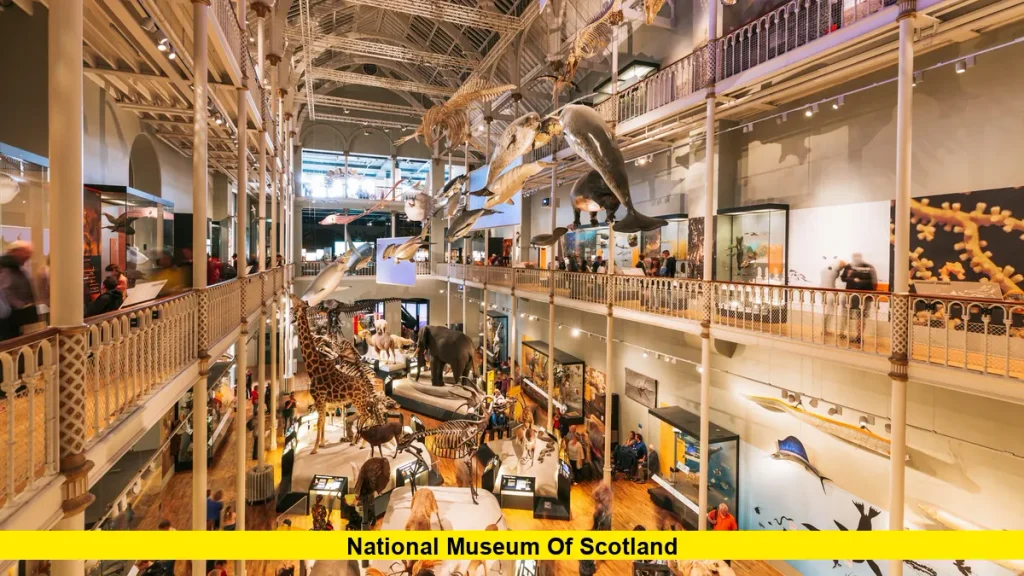
The National Museum of Scotland is one of the strongest choices for a rainy day and one of the most rewarding free attractions in the city.
Its collections range from Scottish archaeological discoveries and historical objects to science, engineering, fashion, and natural history. The variety makes it suitable for visitors traveling alone, with friends, or with children.
The museum can occupy several hours, so choose a few galleries that match your interests instead of attempting to see everything in one visit.
General admission is free, although temporary exhibitions may charge separately. The museum generally opens daily from 10 a.m. to 5 p.m., with special holiday arrangements.
Discover the Palace of Holyroodhouse

At the eastern end of the Royal Mile stands the Palace of Holyroodhouse, the King’s official residence in Scotland and a significant site in Scottish royal history.
Visitors can explore the historic state apartments and learn about monarchs and figures associated with the palace, including Mary, Queen of Scots. The nearby ruins of Holyrood Abbey also contribute to the site’s historic atmosphere when access is available.
The palace operates as a working royal residence, meaning that opening arrangements can change because of official activities.
During November, the usual visiting schedule is Thursday through Monday, from 9:30 a.m. to 4:30 p.m., with last admission at 3:15 p.m., subject to changes. Check the schedule before including it in a weekend itinerary.
Take a Walk Through Holyrood Park
Holyrood Park offers an impressive change of scenery just beyond the historic city center. Its hills, rocky slopes, lochs, and open grassland make it one of the most distinctive urban landscapes in Scotland.
The park is home to Arthur’s Seat, an ancient volcanic peak that provides far-reaching views across Edinburgh and the surrounding region.
Climbing Arthur’s Seat is a popular activity, but it requires suitable footwear, reasonable fitness, and attention to the weather. Paths can become slippery, muddy, or exposed to strong winds, particularly in autumn and winter.
Visitors who prefer a gentler outing can explore lower paths and enjoy views of the hills without attempting the summit.
Holyrood Park is generally free to enter and open throughout the year. However, individual paths, roads, and areas may be restricted for safety or maintenance. The northern section of the Radical Road remains closed because of rockfall concerns, and the High Road is closed to motor traffic.
Experience Edinburgh’s Museums and Galleries
Beyond the National Museum of Scotland, Edinburgh has several museums and galleries worth considering.
The National Galleries of Scotland: National presents an extensive collection of fine art, including works by European masters and Scottish artists. It is a useful stop for visitors who want to explore art without leaving the city center.
Camera Obscura and World of Illusions offers interactive optical experiences and visual exhibits, making it an option for families and travelers looking for something more playful.
The Scottish National Portrait Gallery is another appealing choice for those interested in the people who shaped Scotland’s history, culture, and public life.
Rather than visiting every museum, select one or two that complement your interests. This leaves more time to enjoy Edinburgh’s streets and neighborhoods.
Enjoy Scottish Whisky and Local Culture
Whisky is closely associated with Scottish culture, and Edinburgh provides opportunities to learn about its production, regional styles, and tasting traditions.
Visitors can consider guided tasting sessions, whisky-focused attractions, and specialist bars. Experiences vary, from introductory tastings for beginners to more detailed sessions for enthusiasts.
Booking ahead is sensible for organized tastings, especially on weekends and during the festive season.
Travelers who do not drink alcohol can still enjoy the city’s cultural attractions, traditional music, historic pubs, and food experiences without participating in a whisky tasting.
Take an Evening Walking Tour
Edinburgh’s history lends itself to guided walking tours, particularly in the Old Town. Some focus on architecture and historical events, while others explore folklore, literary connections, or the city’s darker stories.
A reputable guide can help visitors understand how the streets developed and why particular buildings became important.
Evening tours are particularly atmospheric during autumn and winter, when darkness arrives earlier. Choose a tour based on its subject and accessibility rather than assuming every tour covers the same landmarks.
Magical Places to Visit
Some of the most memorable places in Edinburgh are not necessarily its largest attractions. Quiet riverside paths, elevated viewpoints, historic gardens, and atmospheric streets offer a different experience from the busy city center.
Dean Village
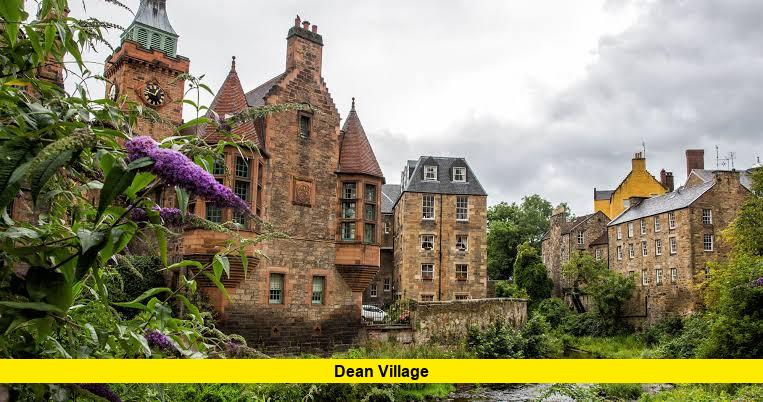
Dean Village is one of the most photogenic places in Edinburgh. Its historic buildings, riverside setting, and stone bridges create the impression of a small settlement tucked away from the modern city.
The village developed around water-powered milling along the Water of Leith. Today, its architecture and peaceful atmosphere make it popular with photographers and walkers.
Visit in the morning if you want to enjoy the surroundings before the busiest periods. Be considerate of residents, as this is a lived-in neighborhood rather than an open-air attraction.
Calton Hill
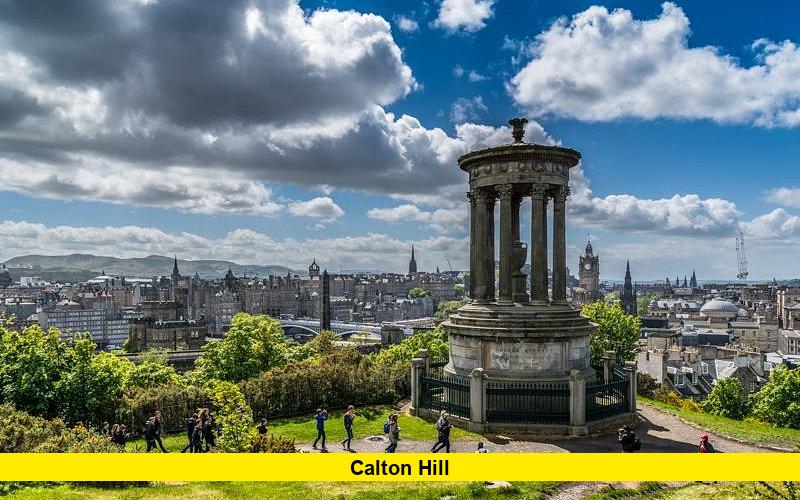
Calton Hill is one of the easiest places to enjoy a wide view of Edinburgh without undertaking a demanding hike.
Its monuments and elevated position make it an excellent stop for photographers, particularly around sunrise or sunset when the city’s buildings catch the changing light.
Conditions can be windy, so bring a warm outer layer even if the weather seems pleasant at street level.
Victoria Street and the Grassmarket

Victoria Street curves between the Old Town and Grassmarket, with colorful storefronts, independent businesses, and distinctive architecture.
It is a popular location for browsing shops and taking photographs. The nearby Grassmarket offers a wider view of the castle and a selection of restaurants and pubs.
The area is busiest during peak sightseeing hours, but the surrounding streets contain quieter corners worth exploring.
The Water of Leith Walkway
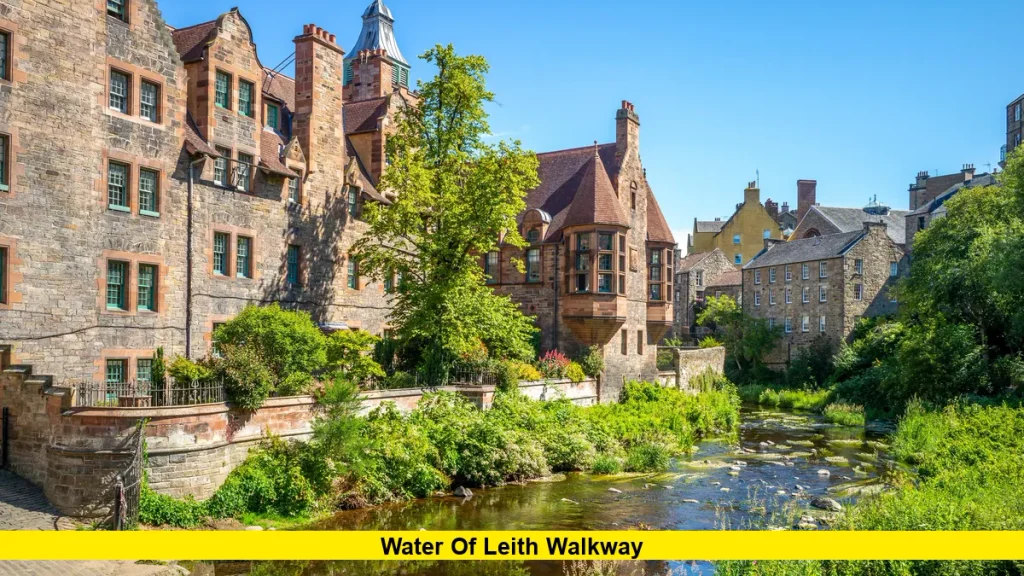
The Water of Leith Walkway provides a peaceful route through parts of Edinburgh, connecting urban neighborhoods with green spaces and riverside scenery.
Sections near Dean Village and Stockbridge are particularly appealing for a short walk. The route offers a different view of the city, with bridges, trees, and historic structures along the river.
You do not need to walk the entire route to appreciate it. Select a section that fits your schedule and check local path conditions after heavy rain.
The Royal Botanic Garden Edinburgh
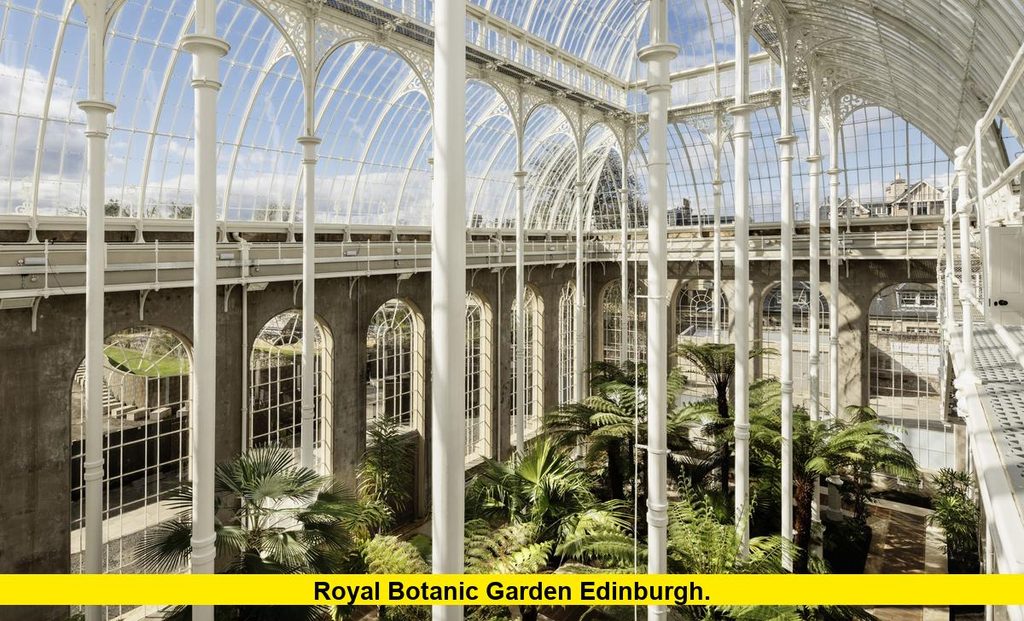
The Royal Botanic Garden Edinburgh is an excellent choice for visitors who want a break from the busy streets.
Its extensive grounds contain landscaped gardens, specialist plant collections, mature trees, and peaceful walking routes. The garden offers something different in every season, from spring flowers to autumn foliage and winter structure.
The historic Palm Houses reopened to the public on October 2, 2026, following a major restoration project. This is a notable recent development for visitors interested in horticulture and historic glasshouse architecture.
Access arrangements for individual glasshouses and garden areas can vary, so confirm which sections are open before visiting.
Princes Street Gardens
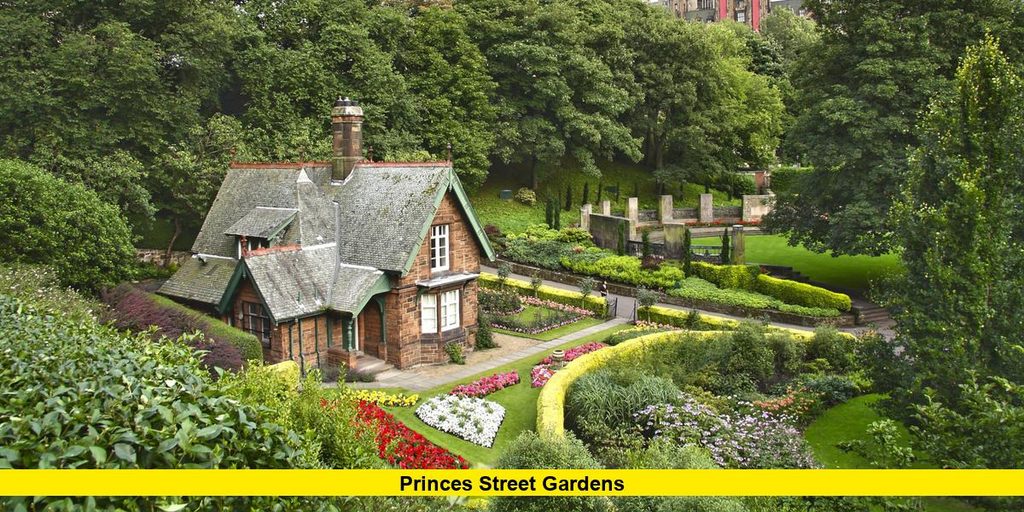
Located between Princes Street and the Old Town, Princes Street Gardens offers a green space with striking views of Edinburgh Castle.
It is an easy addition to a city-center itinerary, particularly if you are already exploring the shopping streets or nearby galleries.
Seasonal installations and public events may affect access to particular sections. During the Christmas period, parts of the central area may become busier because of festive activities.
The Shore in Leith

For a different kind of Edinburgh experience, visit The Shore in Leith.
The historic waterfront area has restaurants, cafés, bars, and attractive views along the water. It is a good place to spend an afternoon or evening away from the busiest tourist streets.
Leith also has a distinct local identity, making it worthwhile for travelers who want to see more than the traditional Old Town attractions.
The area is accessible by public transport, so it can be included in a weekend without requiring a car.
Where to stay in Edinburgh, Scotland
Choosing the right neighborhood can make a weekend in Edinburgh more comfortable. The city center is convenient for sightseeing, while areas such as Stockbridge and Leith offer a more residential atmosphere.
Accommodation prices vary considerably depending on the season, room type, and booking date. Edinburgh can be particularly busy during major festivals and the Christmas and New Year period, so compare options early.
Old Town: Best for First-Time Visitors
The Old Town is a practical choice for travelers who want to stay close to Edinburgh Castle, the Royal Mile, historic attractions, and many guided tours.
Hotels and guesthouses in this area reduce the need for transport between major landmarks. The historic setting also makes it easy to explore early in the morning or return to your accommodation after dinner.
However, some streets are steep, and certain properties occupy historic buildings with limited lift access. Noise can also be an issue near busy nightlife areas.
Check the exact location, accessibility details, and room facilities before booking.
New Town: Best for Shopping and Dining
The New Town is known for its Georgian architecture, shopping streets, restaurants, and access to central transport connections.
It is a good option for travelers who want to balance sightseeing with dining and shopping. The area also offers convenient routes toward Princes Street, Waverley Station, and the West End.
Accommodation ranges from larger hotels to smaller boutique properties, although prices can rise during busy travel periods.
West End: Best for Transport Connections
The West End is worth considering for visitors arriving by train, using the tram, or looking for a slightly quieter base near the city center.
Its location can be convenient for reaching Haymarket Station, restaurants, and central attractions. It also provides access to cultural venues and walking routes toward Dean Village.
For travelers with luggage or limited time, proximity to a transport stop can be more valuable than staying directly beside a major landmark.
Stockbridge: Best for a Relaxed Neighborhood Stay
Stockbridge has a village-like atmosphere, with independent shops, cafés, bakeries, and residential streets.
It is appealing for travelers who enjoy slower mornings, neighborhood restaurants, and walking rather than spending every hour in the busiest tourist areas.
The trade-off is that some attractions require a longer walk or a short public transport journey. Visitors should also check the terrain and distance to their chosen accommodation.
Leith: Best for Food and Waterfront Experiences
Leith is a strong option for visitors interested in restaurants, waterfront walks, and a different side of Edinburgh.
The area has its own character and offers access to The Shore and the Royal Yacht Britannia. Public transport connects Leith with the central districts, making it feasible for a weekend stay.
It may suit travelers who prefer a neighborhood atmosphere over the constant activity of the Old Town.
Tips for Booking Accommodation
Before reserving a room, consider the following:
- Compare the total cost, including taxes and any additional fees.
- Check walking distances and public transport connections.
- Review cancellation policies and check-in arrangements.
- Confirm whether breakfast, luggage storage, and accessible facilities are available.
- Book early if visiting during Christmas, Hogmanay, or another major event.
For a first visit lasting two nights, the Old Town, New Town, and West End are particularly convenient. For a more relaxed stay focused on local dining, Stockbridge and Leith are worth considering.
Where to eat and drink in Edinburgh, Scotland
Edinburgh’s food scene combines traditional Scottish cooking with contemporary restaurants, independent cafés, bakeries, and international cuisine. Visitors can enjoy classic dishes in historic pubs or seek out modern menus that make use of Scottish produce.
A weekend itinerary should leave room for both planned meals and spontaneous stops.
Try Traditional Scottish Food
Haggis is one of Scotland’s best-known dishes. It is traditionally served with neeps and tatties, meaning turnips or swedes and potatoes.
Many Edinburgh restaurants serve haggis as part of a traditional meal, while some offer vegetarian and vegan alternatives.
Other dishes worth trying include Cullen skink, a creamy smoked-haddock soup; Scottish salmon; seasonal game when available; and locally sourced beef and lamb.
For dessert, look for cranachan, a traditional combination of cream, oats, raspberries, and whisky, or try Scottish shortbread and freshly baked goods.
Menus change seasonally, so the availability of individual dishes may vary.
Explore Restaurants Around the Royal Mile
The Royal Mile and nearby streets offer convenient places to eat between historic attractions.
Options range from casual cafés and quick lunches to restaurants serving contemporary Scottish food. This makes the area useful for travelers who want to avoid a long journey during a busy sightseeing day.
Restaurants such as Howies and Angels with Bagpipes are known for Scottish-inspired menus, while other establishments around the Old Town offer international cuisine and modern dining experiences.
Booking dinner in advance is sensible for popular restaurants, particularly on Friday and Saturday evenings.
Enjoy a Traditional Pub
A traditional pub is an important part of the Edinburgh experience, even for visitors who do not drink alcohol.
Many pubs serve hearty meals, including pies, fish and chips, soups, and Scottish-inspired dishes. Some have historic interiors that reflect the character of their neighborhood.
Rose Street in the New Town is known for its collection of pubs, while Grassmarket provides a lively setting with views of the castle.
Choose a venue based on its food, atmosphere, and location rather than assuming every traditional pub offers the same experience.
Discover Stockbridge Cafés and Bakeries
Stockbridge is an appealing area for breakfast, coffee, pastries, and a leisurely lunch.
Its independent businesses provide a more relaxed alternative to the busiest streets around the Royal Mile. The neighborhood is particularly suitable for visitors who want to combine a café stop with a walk toward the Water of Leith or nearby green spaces.
A morning visit can also fit comfortably into an itinerary that includes Dean Village.
Spend an Evening at The Shore in Leith
The Shore is one of the best areas to consider for an evening meal outside the central tourist district.
Restaurants and bars line the waterfront, offering a range of dining styles and atmospheres. The area is particularly suitable for a longer dinner after a day spent exploring the city center.
Visitors can combine a meal with a waterfront stroll, although the experience will depend on weather and daylight.
Explore Scottish Whisky and Other Drinks
Edinburgh has plenty of opportunities to learn about Scotch whisky through guided tastings and specialist venues.
A tasting can introduce visitors to differences between whisky styles and the influence of regional production traditions. Some venues also offer food pairings or more detailed educational sessions.
Those who prefer not to drink alcohol can enjoy Scotland’s café culture, locally produced soft drinks, specialty coffee, and traditional desserts.
If whisky tasting is part of your plans, reserve a place ahead of time and allow sufficient time to return to your accommodation safely.
Edinburgh in November and the Festive Season
November brings shorter days, cooler temperatures, and a growing focus on winter events. It can be a rewarding time to visit if you enjoy atmospheric streets, museums, cozy restaurants, and seasonal celebrations.
Edinburgh’s Christmas is scheduled to run from November 14, 2026, through January 3, 2027. Festive activities are planned across several city-center locations, including Princes Street Gardens and George Street.
The seasonal program makes the city especially attractive for travelers looking for Christmas markets, entertainment, and winter sightseeing. However, the start of the festive season also brings additional crowds and demand for accommodation.
Edinburgh Castle is also scheduled to host its Christmas at the Castle program from November 18 through December 31, 2026. The event is planned to feature festive decorations and seasonal experiences within the historic setting.
These seasonal attractions are worth considering when planning a November or December weekend, but visitors should verify individual dates, ticket availability, and operating arrangements before traveling.
The Royal Botanic Garden’s restored Palm Houses are another recent highlight, having reopened in October 2026 after five years of restoration work.
For those visiting during November, a balanced plan is to combine outdoor sightseeing during daylight with indoor attractions, restaurants, and seasonal activities later in the day.
Practical Travel Tips for Visiting Edinburgh
Getting Around the City
Edinburgh is highly walkable in the central districts, but the terrain is not uniformly flat. Cobblestones, stairways, hills, and uneven pavements can make some routes more demanding than a map suggests.
Lothian Buses and Edinburgh Trams provide useful connections between the city center and surrounding districts. Public transport is especially helpful when traveling to Leith, Haymarket, or other areas farther from the Old Town.
Visitors arriving at Edinburgh Airport can use public transport or other available transfer services to reach the city.
A rental car is generally unnecessary for a short city-center break and may be inconvenient because of parking costs and restrictions.
What to Pack
The weather can change quickly in Edinburgh, particularly during autumn and winter.
Pack layers, a waterproof jacket, comfortable walking shoes, and a warm outer layer. A compact umbrella may be useful, although wind can make it less practical on exposed hills.
If you plan to climb Arthur’s Seat or walk through Holyrood Park, choose footwear suitable for uneven and potentially slippery paths.
Planning Your Budget
Edinburgh can accommodate different budgets, but costs depend on accommodation, attraction tickets, dining choices, and travel dates.
Free activities include walking around the Royal Mile, exploring many public streets and neighborhoods, visiting the National Museum of Scotland’s permanent galleries, and enjoying the city’s viewpoints.
Paid attractions such as Edinburgh Castle and the Palace of Holyroodhouse can be prioritized according to your interests.
To manage expenses, combine one or two paid attractions with free museums, scenic walks, and reasonably priced meals. Booking accommodation early may also help during high-demand periods.
Accessibility and Comfortable Sightseeing
Edinburgh’s historic character creates some accessibility challenges. Certain streets are steep, cobbled, or narrow, and some older buildings have limited step-free access.
Travelers with mobility needs should review attraction accessibility information and contact accommodation providers about lifts, entrances, and bathroom facilities.
Public transport and taxis can reduce the amount of walking required, while a flexible itinerary allows time for rest between activities.
Final Thoughts on Things to Do in Edinburgh
Edinburgh is a city that rewards visitors who balance its major attractions with time to explore at a slower pace. Edinburgh Castle, the Royal Mile, the National Museum of Scotland, and the Palace of Holyroodhouse provide a strong introduction to the city’s history, while Calton Hill, Dean Village, and the Water of Leith reveal its quieter and more scenic side.
A weekend can also include excellent food, traditional pubs, independent cafés, and distinctive neighborhoods such as Stockbridge and Leith. During the upcoming festive season, Edinburgh’s Christmas celebrations offer an additional reason to visit, with events scheduled to begin in mid-November.
The best itinerary depends on your interests, the weather, and how much time you have available. Prioritize a few memorable experiences, book popular attractions in advance, and leave enough room to enjoy the city beyond its most famous landmarks.
Have you visited Edinburgh or discovered a favorite place in Scotland? Share your recommendations in the comments, and stay updated for more travel guides and destination ideas.