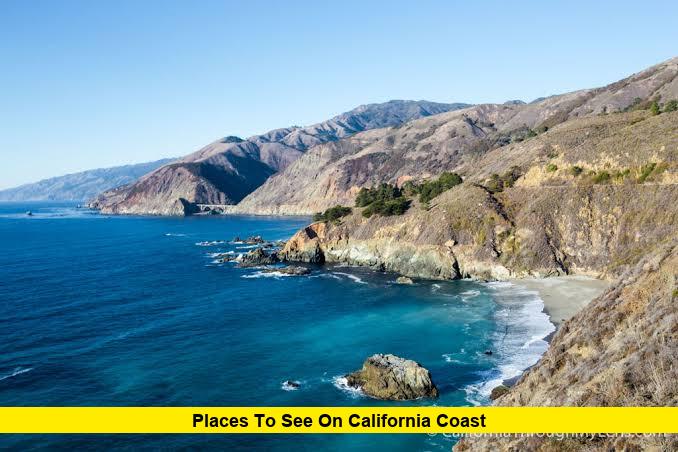
The best Places to See On California Coast include spectacular ocean cliffs, sandy beaches, charming seaside towns, historic landmarks, wildlife habitats, and scenic highways overlooking the Pacific Ocean. From the rugged coastline of Northern California to the sunny beaches of Southern California, the state offers a remarkable variety of destinations for road-trippers, families, couples, photographers, and outdoor enthusiasts.
California’s coastline features internationally recognized destinations such as Big Sur, Monterey, and Santa Barbara, along with smaller communities where visitors can explore quiet beaches, walk along historic waterfronts, watch marine wildlife, and enjoy sunsets over the Pacific. Some destinations are ideal for hiking and photography, while others are better suited to surfing, family outings, seafood dining, and relaxed beach vacations.
Planning a coastal trip involves more than choosing beautiful places. Driving distances can be substantial, ocean conditions may change quickly, and road construction or landslides can affect access to popular attractions. A well-planned itinerary balances famous landmarks with lesser-known destinations and allows enough time to appreciate each location.
This guide explores the best places to see on the California coast, what makes each destination special, when to visit, and how to plan a memorable coastal road trip.
Why the California Coast Is Worth Exploring
California’s Pacific coastline combines natural beauty, outdoor recreation, cultural attractions, and historic communities. The scenery changes significantly from north to south, giving travelers different experiences depending on where they visit.
Northern California is known for rugged headlands, misty beaches, towering redwoods, and peaceful coastal villages. Central California features dramatic cliffs, rocky coves, marine wildlife, and some of the state’s most recognizable scenic drives. Southern California offers sunny waterfront communities, surf beaches, lively piers, and coastal neighborhoods filled with restaurants and shops.
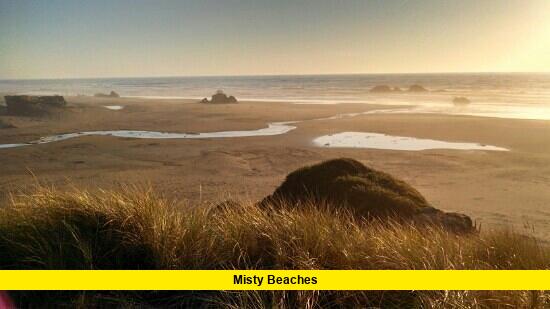
The coastline also includes protected natural areas where visitors can experience relatively undeveloped landscapes. State parks, national parks, marine reserves, and coastal trails provide opportunities to observe seabirds, sea otters, harbor seals, elephant seals, and migrating whales.
Another advantage is the variety of ways to explore the region. Travelers can plan a weekend near San Francisco, spend several days around Monterey and Big Sur, or organize a longer journey through Santa Barbara, Los Angeles, Orange County, and San Diego.
The best places to see on the California coast depend on your interests, available time, budget, and preferred style of travel.
Best Places to See on the Northern California Coast
Point Reyes National Seashore
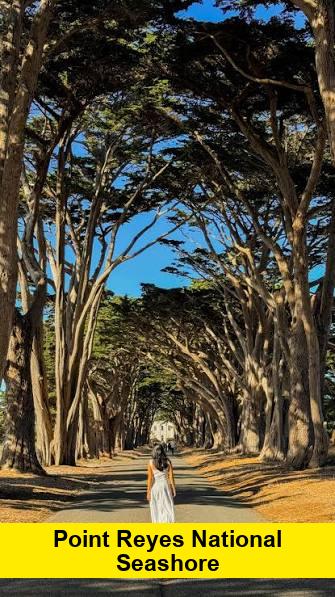
Point Reyes National Seashore is one of Northern California’s most impressive coastal destinations. Located north of San Francisco in Marin County, this protected landscape features dramatic cliffs, open grasslands, sandy beaches, forested trails, and expansive views of the Pacific Ocean.
The Point Reyes Lighthouse is a major attraction, providing a memorable setting for photography and coastal sightseeing. Visitors can also explore Drakes Beach, Limantour Beach, and designated hiking trails that pass through varied landscapes.
Wildlife is another reason to visit. Depending on the location and season, travelers may observe elephant seals, harbor seals, tule elk, and numerous bird species. Whale watching from suitable coastal viewpoints may also be possible during migration periods.
Point Reyes is particularly appealing to travelers who prefer nature and outdoor activities over commercial entertainment. Because attractions are spread across the peninsula, driving between locations can take longer than expected.
Some areas may have seasonal wildlife restrictions or temporary access limitations. Visitors should check conditions before setting out and follow posted signs.
Allow at least half a day to explore part of the seashore. A full day provides more time for hiking, lighthouse sightseeing, and beach visits.
Mendocino and Mendocino Headlands State Park
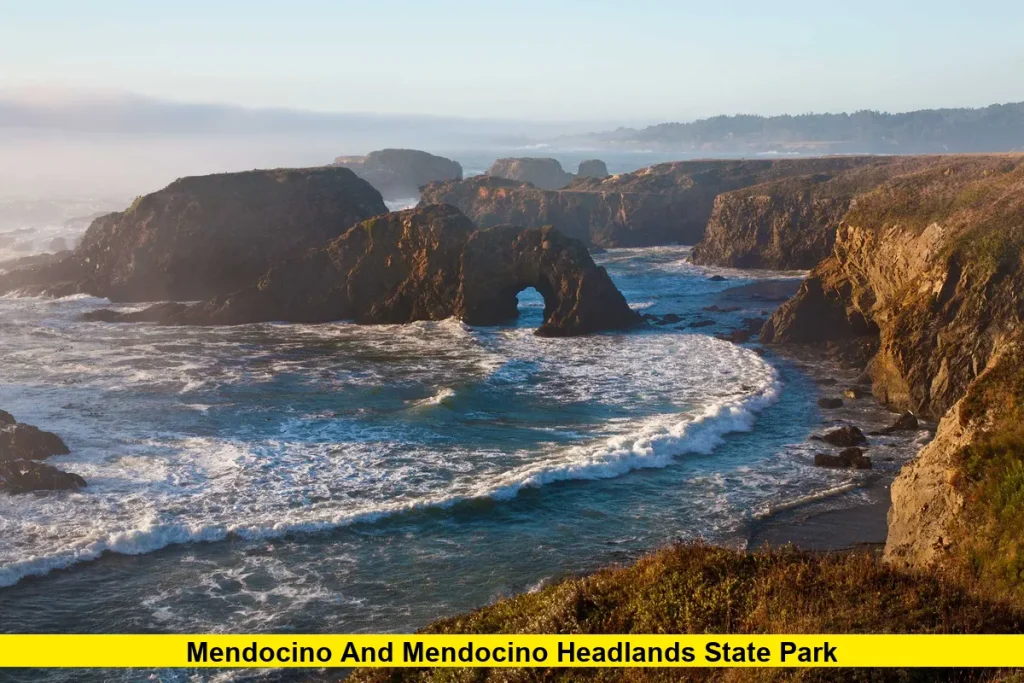
Mendocino is a picturesque coastal village known for its historic buildings, artistic character, independent shops, and spectacular ocean scenery. Its location beside rugged headlands gives visitors access to impressive views of the Pacific.
Mendocino Headlands State Park surrounds much of the village and offers walking paths overlooking rocky shorelines and offshore formations. Visitors can photograph waves breaking against the rocks, observe seabirds, and enjoy the changing colors of the ocean.
The village itself is worth exploring at a relaxed pace. Historic architecture, art galleries, small shops, and local restaurants provide a pleasant contrast to the rugged coastline.
Nearby forested areas and coastal attractions make Mendocino a useful base for a longer Northern California trip. However, the region is relatively remote compared with San Francisco, so travelers should plan accommodation, fuel stops, and driving times carefully.
Mendocino is particularly suitable for couples, photographers, and travelers seeking a quieter coastal getaway. It is also an excellent destination for people who enjoy combining scenic walks with small-town exploration.
Bodega Bay
Bodega Bay is a coastal community in Sonoma County that combines harbor scenery, sandy beaches, wildlife viewing, and outdoor recreation.
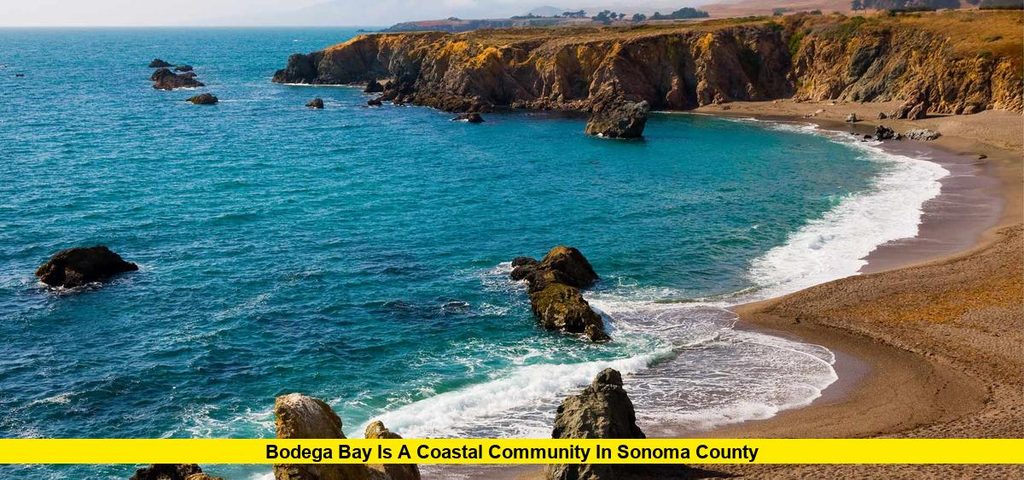
Visitors can enjoy views of fishing boats, explore nearby coastal parks, and stop at scenic overlooks along the shoreline. The area’s coastal habitats support numerous bird species, making it appealing to birdwatchers and nature enthusiasts.
Nearby beaches offer opportunities for walking, photography, and observing the Pacific. However, the ocean can be unpredictable, and some beaches experience strong waves and currents. Swimming should only be considered when conditions and local guidance make it appropriate.
Bodega Bay is a practical choice for a day trip from the San Francisco Bay Area or as a stop on a longer drive toward Mendocino. Local seafood restaurants and harbor views add to its appeal.
Rather than expecting a large resort destination, visitors should approach Bodega Bay as a relaxed coastal community where the landscape, wildlife, and ocean atmosphere are the main attractions.
Half Moon Bay
Half Moon Bay is a convenient coastal destination south of San Francisco, particularly for travelers who want ocean views without committing to a lengthy road trip.
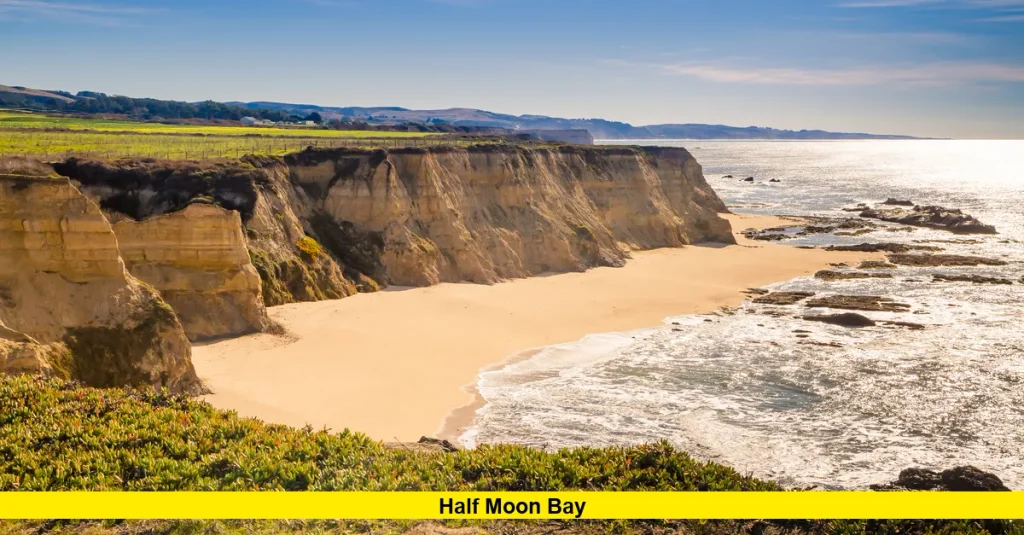
The area features sandy beaches, coastal walking routes, agricultural landscapes, and a downtown area with restaurants and independent businesses. Half Moon Bay State Beach is a popular attraction, with several beach access points and broad stretches of sand suitable for walking, picnicking, and enjoying the scenery.
The town is also known for its seasonal pumpkin-growing traditions. During autumn, nearby farms and roadside displays can become major attractions, bringing additional visitors to the region.
Half Moon Bay is suitable for couples, families, photographers, and anyone seeking a peaceful break from city sightseeing. Visitors can spend a few hours exploring the shoreline or make a full day of beach walks and a leisurely meal.
The coast often remains cool, and fog can affect visibility even during warmer months. Bringing a light jacket is useful throughout much of the year.
Pigeon Point Lighthouse
Pigeon Point Lighthouse is one of the most recognizable historic landmarks along the Northern California coast. Situated on a rocky promontory south of Half Moon Bay, the lighthouse stands above the Pacific and creates a dramatic setting for coastal photography.
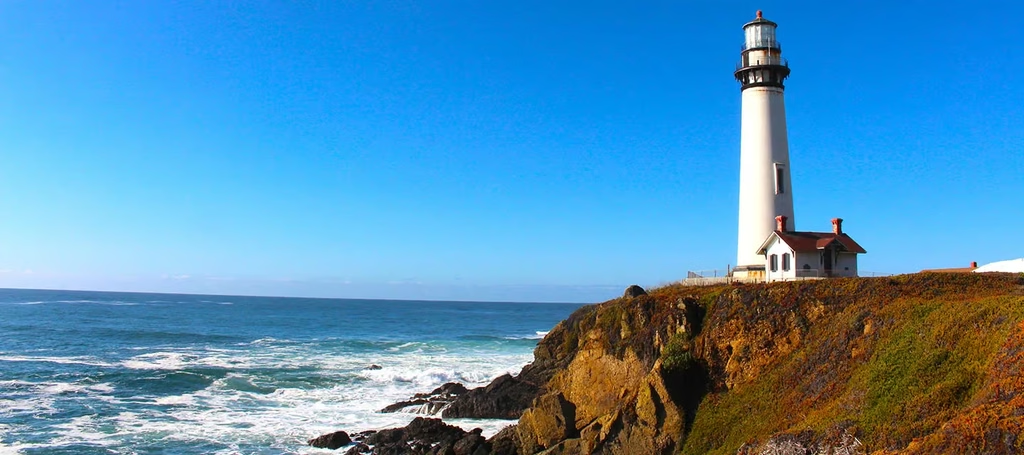
The surrounding area offers ocean views, opportunities to observe seabirds, and a chance to learn about the maritime history of the region. On clear days, the contrast between the lighthouse, rugged rocks, and blue ocean can be particularly striking.
Visitors should distinguish between viewing the lighthouse from public areas and entering buildings or restricted sections. Access to facilities may depend on restoration work, operating arrangements, and safety restrictions.
Pigeon Point works well as a short stop during a coastal drive between Half Moon Bay and Santa Cruz. It can also be combined with nearby beaches and scenic overlooks for a relaxed day of sightseeing.
Best Places to See on the Central California Coast
Monterey
Monterey is one of the strongest choices for travelers visiting the Central California coast for the first time. The city offers marine wildlife, a historic waterfront, scenic walking areas, restaurants, and convenient access to other coastal attractions.
Cannery Row is among the city’s best-known districts. Its waterfront setting, shops, dining establishments, and connection to Monterey’s fishing and canning history make it a popular place to explore on foot.
The Monterey Bay Aquarium is another major attraction, particularly for families and visitors interested in marine science and ocean conservation. Its exhibits introduce visitors to marine ecosystems and wildlife found along the California coast.
Monterey also provides access to beaches, kayaking opportunities in suitable conditions, whale-watching excursions, and coastal trails. Sea otters may sometimes be seen in the bay, although wildlife sightings are never guaranteed.
Because the city offers a broad range of activities, it is an excellent overnight base. Travelers can use Monterey to explore nearby Pacific Grove, Carmel-by-the-Sea, and the scenic coastline toward Big Sur.
Pacific Grove
Pacific Grove offers a quieter alternative to Monterey while retaining easy access to the same remarkable marine environment.
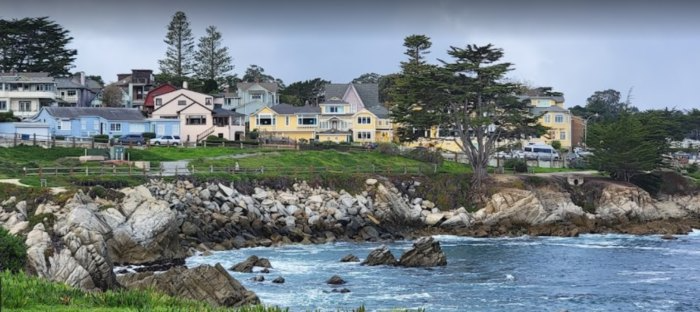
The coastal recreation trail connects scenic waterfront areas and provides opportunities for walking, cycling, photography, and wildlife observation. Along the shoreline, visitors may encounter rocky coves, small beaches, seabirds, and views across Monterey Bay.
Lovers Point Park is a popular stop, with oceanfront lawns, coastal paths, and views of the water. Depending on conditions, visitors may also find opportunities for kayaking and other water-based recreation.
Pacific Grove is known for its historic homes and relaxed residential atmosphere. Travelers who prefer strolling through a coastal town rather than spending an entire day at a major attraction may find it especially appealing.
The community is also associated with seasonal monarch butterfly activity in nearby overwintering habitat. Butterfly numbers and viewing opportunities vary considerably by season and year, so sightings should not be assumed.
Pacific Grove can be explored in a few hours or combined with Monterey and Carmel for a fuller coastal itinerary.
Carmel-by-the-Sea
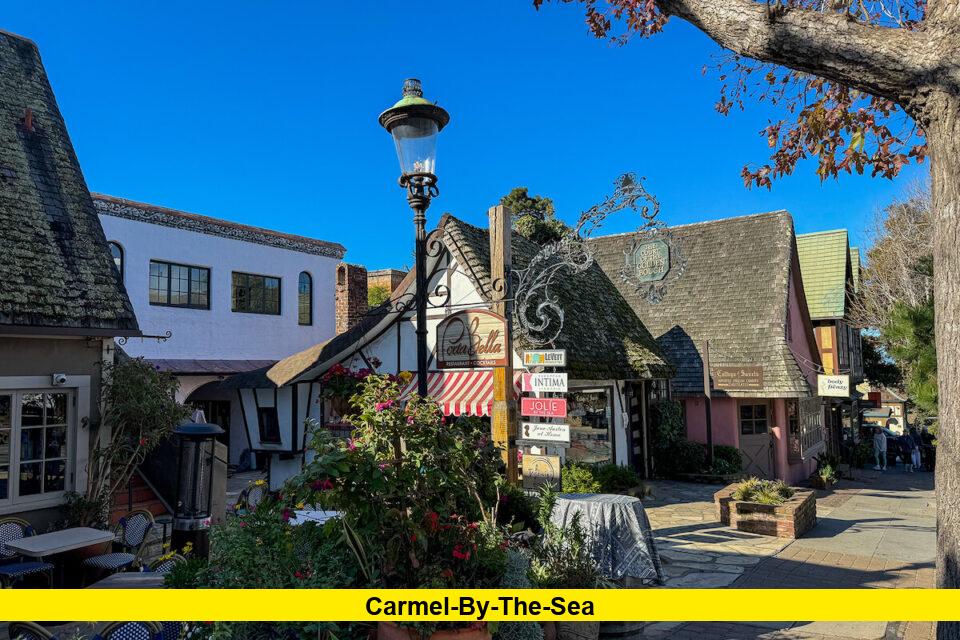
Carmel-by-the-Sea is a charming coastal town famous for its picturesque streets, distinctive architecture, art galleries, and beautiful sandy beach.
Carmel Beach is a major attraction, offering broad ocean views and a scenic setting for walking, photography, and sunset watching. The beach is especially popular with visitors who want to enjoy the coastline without undertaking a long hike.
The town center features small shops, cafes, restaurants, and galleries within a compact area. Its pedestrian-friendly character makes it easy to combine sightseeing with a relaxed meal or afternoon of browsing.
Nearby attractions include scenic coastal drives and access to the Monterey Peninsula’s natural areas. Point Lobos State Natural Reserve, just south of Carmel, offers rocky coves, coastal trails, and opportunities to observe wildlife.
Carmel is a good choice for couples and travelers who enjoy combining scenery with dining and shopping. Accommodation can be expensive during busy periods, so comparing options ahead of time may help visitors manage their budgets.
Big Sur
Big Sur is among the most famous destinations on the California coast. Rather than being a single town, it is a rugged coastal region characterized by steep cliffs, forested mountains, winding roads, and sweeping views of the Pacific Ocean.
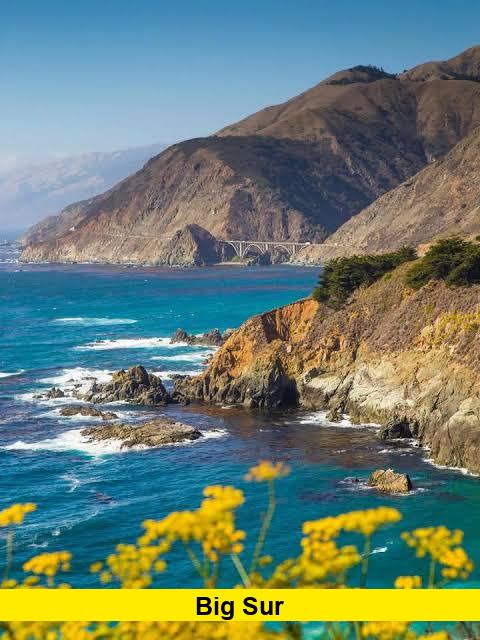
Highway 1 passes through much of this landscape, creating opportunities for scenic stops at designated pullouts and viewpoints. The drive itself is a major attraction, but visitors should allow extra time for winding roads, traffic controls, and photography stops.
Big Sur is also home to several notable natural attractions. Pfeiffer Big Sur State Park offers forested trails and river scenery, while other protected areas provide access to coastal viewpoints and hiking routes.
The landscape changes from dense vegetation to open cliffs, creating a varied experience over relatively short distances. Visitors can spend the day hiking, exploring scenic viewpoints, or simply enjoying the drive.
Road conditions deserve particular attention. Landslides, erosion, construction, and emergency operations can affect Highway 1 and access to individual attractions. Travelers should verify the route before departing rather than relying exclusively on older travel itineraries.
Big Sur deserves at least one full day, although two or more days allow for a more relaxed visit. Visitors should also plan meals and accommodation carefully because services are spread out across the region.
Bixby Creek Bridge
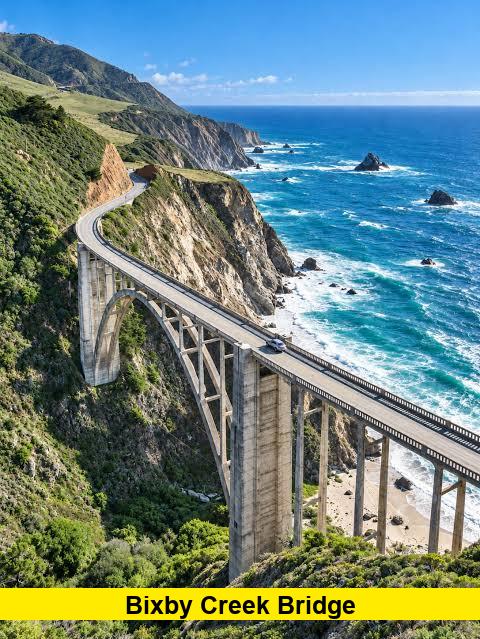
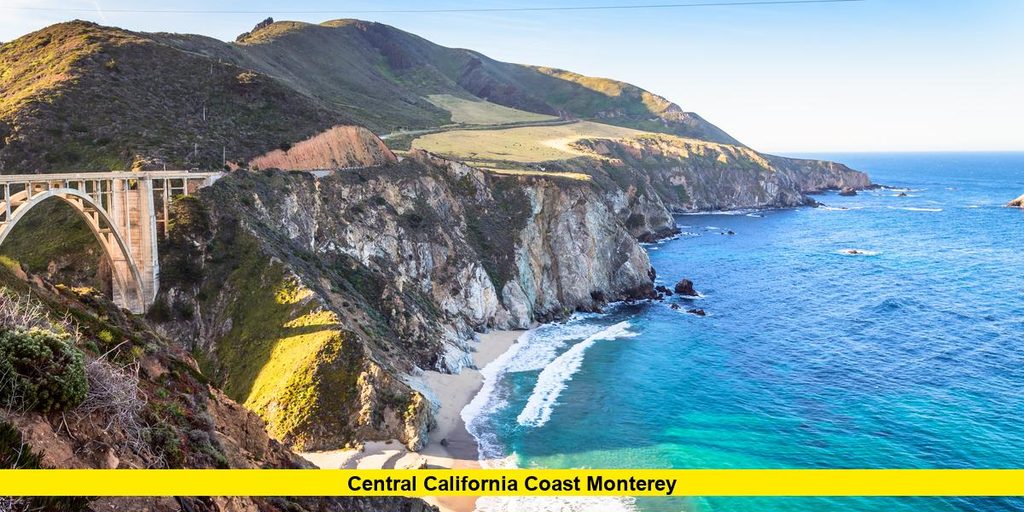
Bixby Creek Bridge is one of the most photographed landmarks along the Big Sur coast. The concrete arch bridge crosses a deep canyon near the Pacific, surrounded by steep hillsides and ocean views.
Its distinctive design and dramatic setting make it a highlight of a Highway 1 road trip. Travelers often admire the bridge from designated viewing areas and photograph the surrounding coastline.
The bridge is a functioning part of the highway network, not simply a scenic monument. Drivers should remain alert, follow traffic rules, and avoid stopping in travel lanes or making unsafe roadside stops for photographs.
Visitors should also respect barriers and private property. Access to particular viewpoints may be limited by parking conditions, construction, or safety restrictions.
Bixby Creek Bridge is most rewarding when treated as one stop within a broader Big Sur itinerary rather than the sole reason for visiting the region.
Julia Pfeiffer Burns State Park
Julia Pfeiffer Burns State Park is known for its dramatic coastal scenery and the iconic view of McWay Falls, a waterfall that descends toward a small cove.
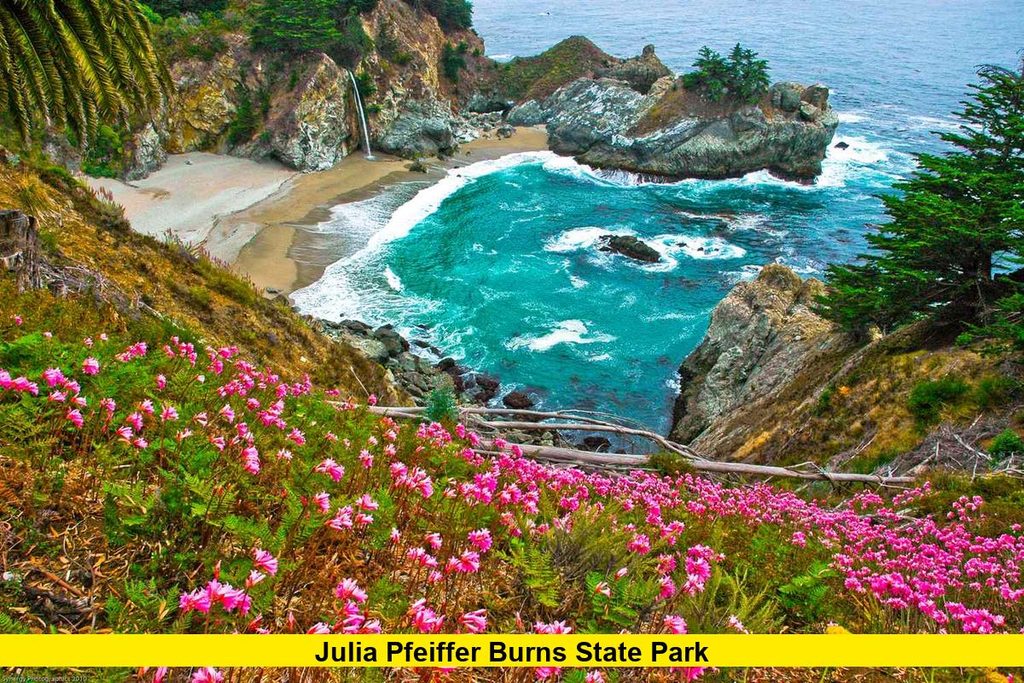
The combination of steep cliffs, ocean water, and falling water has made the park one of California’s most recognizable natural attractions. The designated overlook has historically offered a convenient way to appreciate the landscape without undertaking a lengthy hike, although access arrangements and closures can change.
Visitors should check current park conditions before traveling, especially if McWay Falls is their main destination. A famous attraction may remain visible in photographs even when a trail, overlook, or beach access point is closed.
The surrounding region also features forested landscapes, rugged coastal terrain, and opportunities for photography from authorized locations.
Julia Pfeiffer Burns State Park can be combined with Bixby Creek Bridge and other Big Sur viewpoints, but road conditions should determine the order of stops. Travelers should avoid assuming that every attraction along Highway 1 can be reached in one uninterrupted drive.
Morro Bay
Morro Bay is a distinctive coastal town on California’s Central Coast, recognized for Morro Rock, a large volcanic formation rising beside the harbor.

The rock creates an unmistakable backdrop for waterfront walks, photography, and wildlife observation. The surrounding bay supports marine and bird life, making the area appealing to nature enthusiasts and casual visitors alike.
Travelers can explore the waterfront, visit local shops, enjoy seafood, or consider kayaking and other activities when weather and water conditions permit. The harbor environment provides a different atmosphere from the exposed cliffs of Big Sur.
Morro Bay also works well as a stop on a road trip between Monterey County and the southern Central Coast. Nearby beaches and coastal communities provide additional opportunities for outdoor recreation.
The town is suitable for families, couples, and travelers who prefer a relaxed destination with both natural scenery and convenient services.
Pismo Beach
Pismo Beach is a classic California beach destination known for its sandy shoreline, pier, ocean views, and relaxed coastal atmosphere.
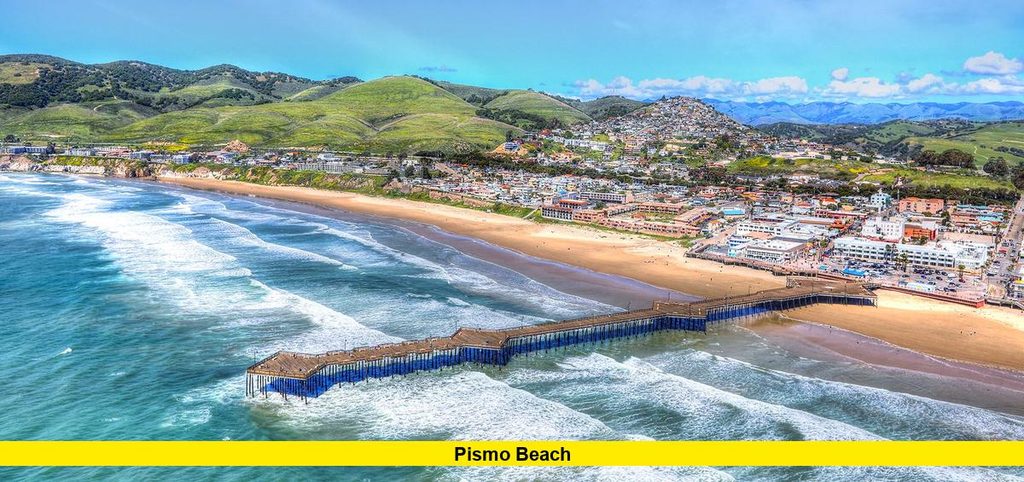
The beach is popular for walking, photography, surfing in suitable conditions, and watching sunsets. The downtown area offers restaurants, shops, and easy access to the waterfront, making it convenient for visitors who want a mix of beach time and dining.
The surrounding region also offers coastal dunes and outdoor recreation areas. Permitted activities differ by location, and some dune environments have specific vehicle access, conservation, and safety rules.
Pismo Beach is a useful overnight stop between the Monterey region and Santa Barbara. Families may appreciate the straightforward beach setting, while road-trippers can use the town as a place to rest between longer drives.
The Pacific can be cold even when the weather is sunny, so visitors should choose water activities carefully and pay attention to surf conditions.
Best Places to See on the Southern California Coast
Santa Barbara
Santa Barbara combines mountain scenery, sandy beaches, a historic downtown, and Mediterranean-inspired architecture. It is one of the most versatile places to visit along the Southern California coast.
The waterfront offers walking paths, harbor views, and access to beaches. Stearns Wharf is a familiar landmark where visitors can look out over the Pacific and explore the surrounding waterfront area.
Downtown Santa Barbara features restaurants, shops, museums, and historic buildings. The city’s Spanish Colonial Revival architecture gives it a distinctive appearance that sets it apart from many other California coastal communities.
Outdoor enthusiasts can combine beach visits with coastal cycling, hiking in nearby foothills, or boat excursions when available. Travelers interested in food can explore the area’s restaurants and local culinary scene.
Santa Barbara makes a practical base for a coastal vacation because it offers a range of accommodations, restaurants, and activities within a relatively compact area. It also works well as an overnight stop on a longer trip between the Central Coast and Los Angeles.
Malibu
Malibu is known for its scenic beaches, rugged coastal hills, and oceanfront stretches of Pacific Coast Highway. Located west of Los Angeles, it offers a coastal experience that feels different from the busier urban beaches farther south.
El Matador State Beach is especially popular for its rock formations, sea caves, and photographic scenery. Access involves stairs and uneven terrain, and beach conditions may change with the tide.
Other beaches in and around Malibu provide opportunities for walking, surfing, sunbathing, and enjoying the coastal landscape. Some areas are better suited to experienced surfers, while others are more convenient for relaxed beach visits.
Malibu also offers access to hiking areas where trails overlook the Pacific Ocean. Visitors can combine a beach stop with a short hike, although heat, fire conditions, trail closures, and parking restrictions should be considered.
The area is spread out, so a car can be useful for visiting multiple locations. Parking availability varies, and visitors should use designated spaces rather than stopping along unsafe sections of the highway.
Santa Monica
Santa Monica is one of Southern California’s best-known beach destinations, offering a combination of sandy shoreline, a lively pier, shopping, dining, and easy access to the wider Los Angeles area.
Santa Monica Pier is the city’s signature attraction. Its amusement rides, ocean views, and waterfront setting make it popular with families and visitors seeking a classic California beach experience.
The surrounding beach is suitable for walking, relaxing, cycling on designated paths, and watching the sunset. The downtown area includes restaurants, shops, and public spaces that make it easy to spend an entire day without traveling far.
Santa Monica is also a convenient base for travelers who want to combine coastal sightseeing with other Los Angeles attractions. Public transportation can reduce the need to drive everywhere, although travel times vary by destination.
Because the city is busy, parking and crowds may be more challenging during weekends and holidays. Early visits can provide a calmer experience, particularly for people hoping to photograph the shoreline or walk along the beach.
Venice Beach
Venice Beach offers a lively, artistic, and distinctly urban coastal atmosphere. It is known for its oceanfront promenade, street performers, public art, skateboarding culture, and mix of shops and casual restaurants.
The Venice Beach Boardwalk is the main attraction for many visitors. Walking along it provides a view of the area’s street life and the diverse character of the Los Angeles coastline.
Nearby, the Venice Canals Historic District offers a quieter contrast, with pedestrian bridges and residential waterways. The canals are not directly on the oceanfront promenade, so visitors should allow time to walk between the two areas.
Venice is a good choice for travelers interested in people-watching, local culture, beach photography, and casual dining rather than remote natural scenery.
As in other busy urban areas, visitors should secure valuables, observe local regulations, and use designated pedestrian crossings. The beach can be crowded during popular periods, but its combination of ocean views and lively public spaces makes it a distinctive California destination.
Laguna Beach
Laguna Beach is a particularly attractive destination for travelers who enjoy rocky coves, clear coastal views, art galleries, and a walkable seaside town.
The shoreline features small beaches separated by rock formations, creating opportunities for photography and tide-pool observation where access is permitted and conditions are safe. Some coves are easier to reach than others, and stairs or steep paths may be involved.
Heisler Park provides landscaped walking paths and ocean overlooks. The park is an excellent choice for visitors who want scenic coastal views without committing to a strenuous hike.
Laguna Beach also has a strong arts identity, with galleries, public art, and cultural events that contribute to its character. Restaurants and shops make it easy to combine outdoor sightseeing with time in town.
Tide pools should be explored carefully, preferably around suitable low tides. Visitors should avoid disturbing marine life, stepping on slippery surfaces, or entering areas closed for habitat protection.
Laguna Beach works well as a day trip from other Orange County destinations or as part of a longer Southern California coastal itinerary.
Huntington Beach
Huntington Beach is widely associated with surfing and Southern California beach culture. Its broad sandy shoreline, pier, coastal walking routes, and surf-related attractions make it an appealing destination for active travelers.
The Huntington Beach Pier is a central landmark, providing views of the beach and Pacific Ocean. Visitors can walk along the pier, photograph surfers, and explore the surrounding downtown area.
Surfing is a major part of the city’s identity, although conditions vary by day and experience level. Beginners should consider supervised lessons and suitable locations rather than entering unfamiliar surf without preparation.
The beach is also suitable for walking, cycling in designated areas, and relaxing near the water. Local restaurants and shops offer convenient options for visitors who want to spend a full day in the area.
Huntington Beach is a strong choice for travelers who prefer an energetic beach town with a large public shoreline and an established surf culture.
La Jolla Cove and La Jolla Shores
La Jolla, in San Diego, is one of Southern California’s most scenic coastal destinations. Its rocky shoreline, sea caves, marine wildlife, and nearby beaches offer several experiences within a relatively small area.
La Jolla Cove is especially well known for its coastal formations, clear-water views, and opportunities to observe marine life from designated public viewpoints. Sea lions and other animals may be visible, but visitors should keep their distance and follow posted wildlife-protection rules.
La Jolla Shores offers a broader sandy beach that is popular for walking, swimming when conditions are appropriate, and various water activities. Kayaking and guided coastal excursions may be available through local operators, subject to weather and ocean conditions.
The village of La Jolla adds restaurants, galleries, shops, and ocean-view dining to the experience. Visitors can combine a coastal walk with a meal and time exploring the neighborhood.
These destinations are particularly suitable for travelers who want coastal scenery and urban conveniences together. However, strong surf, currents, and changing water conditions mean that the presence of other swimmers should never be treated as a guarantee of safety.
Coronado Beach
Coronado Beach, across the bay from central San Diego, is known for its wide sandy shoreline, ocean views, and the historic Hotel del Coronado.
The beach offers plenty of space for walking, relaxing, and enjoying the Pacific. Its broad shoreline makes it a popular destination for families and visitors who prefer a traditional sandy beach to a rocky cove.
The surrounding Coronado community has shops, restaurants, residential streets, and waterfront viewpoints. Travelers can make a day of exploring the area, visiting the beach, and enjoying views of the San Diego skyline.
Coronado can also be a convenient addition to a San Diego itinerary because it is accessible by road and may be reached using ferry services operating across the bay, depending on the route and current schedules.
Visitors should remember that even wide beaches can have strong currents and changing surf conditions. Beach flags, lifeguard guidance, and local advisories should inform decisions about entering the water.
More Coastal Destinations Worth Considering
California’s coastline includes many other places that deserve attention, especially for travelers who have extra time or prefer less crowded stops.
Santa Cruz offers a combination of beach culture, coastal recreation, and its historic beachfront amusement park. It is particularly suitable for families and visitors who want more activities than a scenic viewpoint alone.
Cambria is a relaxed coastal community near Hearst Castle and the rugged shoreline around San Simeon. It works well for travelers seeking a quieter overnight stop on the Central Coast.
San Simeon is known for the elephant seal viewing area along the coast and access to the Hearst Castle region. Elephant seals can be observed at different times of the year, although the numbers and activities visible vary by season.
Avila Beach provides a compact waterfront setting on the Central Coast, with a sandy beach, harbor activities, and nearby outdoor attractions.
Oceanside combines a classic pier, sandy beaches, a harbor, and access to other North San Diego County communities. It is a practical option for travelers looking for a Southern California beach town with a relaxed atmosphere.
Encinitas is popular for surfing, coastal scenery, local restaurants, and a laid-back community character. It can be a useful stop between Oceanside and central San Diego.
Point Lobos State Natural Reserve, near Carmel, deserves special attention for its dramatic coves, coastal trails, and marine wildlife. Parking and access can be limited during busy periods, so arriving early may make the visit easier.
These additional destinations help travelers customize a trip around their interests, available time, and preferred pace instead of concentrating only on the most famous landmarks.
Best California Coast Road Trip Itinerary
A California coast road trip is one of the best ways to experience the state’s changing landscapes. The ideal route depends on how much time you have, whether you want to start in Northern or Southern California, and how much driving you are comfortable doing each day.
Trying to visit every destination in a single weekend is impractical. A better approach is to choose a few overnight bases and explore nearby attractions at a comfortable pace.
Three-Day California Coast Road Trip
A three-day trip is suitable for travelers who want to experience a memorable section of the coast without crossing the entire state.
- Day One: San Francisco to Monterey. Begin with coastal scenery around Half Moon Bay or Pigeon Point before continuing toward Monterey. Explore Cannery Row, visit the waterfront, and spend the evening in Monterey or Pacific Grove.
- Day Two: Monterey, Carmel, and Big Sur. Spend the morning in Carmel-by-the-Sea and visit selected Big Sur viewpoints if road conditions permit. Allow extra time for scenic stops and possible traffic controls.
- Day Three: Explore the Monterey Peninsula or continue toward the Central Coast. Depending on your schedule, visit Point Lobos or travel farther south toward Morro Bay.
This itinerary prioritizes the Central Coast, where several well-known destinations can be combined without attempting to cover the entire shoreline.
Five-Day California Coast Road Trip
Five days allow travelers to explore more of the Central Coast while including additional beaches and towns.
- Day One: Explore San Francisco’s waterfront and travel south toward Half Moon Bay.
- Day Two: Visit Monterey, Pacific Grove, and Carmel-by-the-Sea.
- Day Three: Explore Big Sur, choosing accessible viewpoints and trails according to current conditions.
- Day Four: Continue toward Morro Bay or Pismo Beach, with time for selected coastal stops.
- Day Five: Visit Santa Barbara or spend additional time in Central Coast communities before returning or continuing south.
This plan may require adjustment if Highway 1 is affected by construction, weather, or emergency closures. When a direct coastal connection is unavailable, travelers may need to use inland highways, which can substantially change driving times.
Seven-to-Ten-Day California Coast Road Trip
Travelers with a week or longer can consider a more extensive journey between San Francisco and San Diego.
A possible itinerary includes San Francisco, Half Moon Bay, Monterey, Carmel, Big Sur, Morro Bay, Santa Barbara, Santa Monica, Laguna Beach, La Jolla, and Coronado.
The route can be divided into several overnight stays rather than driving long distances every day. This leaves time for beaches, wildlife viewing, local restaurants, coastal trails, and unplanned scenic stops.
A trip of this length also makes it easier to adapt to changing conditions. If a road is closed or a park has limited access, travelers may have enough flexibility to explore another destination instead.
The coast is not one continuous sightseeing attraction. Some stretches feature developed cities, while others have long distances between gas stations, restaurants, and lodging.
When Is the Best Time to Visit the California Coast?
The California coast can be visited throughout the year, but the best season depends on the region and the activities you want to enjoy.
Spring: Spring brings green hills, wildflowers in suitable locations, and generally comfortable conditions for hiking and sightseeing. Coastal weather can be unpredictable, and rain or lingering winter damage may affect certain roads and trails.
Summer: Summer is popular for beach visits, outdoor dining, family vacations, and road trips. However, coastal fog can limit sunshine, particularly in parts of Northern and Central California. Popular towns and beach parking areas may also become crowded.
Fall: September and October can be attractive months for coastal travel. Some areas experience clearer skies, and summer crowds may ease after peak vacation periods. Conditions vary by region, and early autumn can still bring fog, strong surf, or hot weather inland.
Winter: Winter offers opportunities for dramatic ocean photography, storm watching from safe viewpoints, and seasonal wildlife observation. Rain, high surf, landslides, and coastal erosion can affect access, so flexibility is particularly important.
For travelers focused on beaches and warm-weather activities, Southern California may be the more comfortable choice during many parts of the year. Those interested in rugged scenery, forests, and cooler coastal environments may prefer Northern California.
There is no single month that guarantees ideal weather along the entire California coastline.
Latest Updates for California Coast Travelers
Coastal travel conditions can change quickly, making current road and park information an important part of trip planning.
The latest available Highway 1 road information reviewed for this article, dated October 26, 2026, reported traffic controls and construction-related delays in several areas. These included work near Mud Creek and Rocky Creek Bridge in Monterey County, along with maintenance and repair activity in parts of Northern California. Conditions may change after an update is published, so travelers should check the status of their specific route before leaving.
The Big Sur region deserves particular attention because its steep terrain, exposed coastline, and history of landslides can make road access sensitive to weather and emergency operations. A destination appearing open on a general travel map does not necessarily mean every approach road or nearby attraction is accessible.
Coastal parks can also experience temporary restrictions because of erosion, high surf, habitat protection, maintenance, or other safety concerns. Travelers should verify access to individual beaches, trails, overlooks, and parking areas rather than assuming every section is open.
Point Reyes National Seashore and Channel Islands National Park also require advance planning. Certain areas of Point Reyes may have seasonal wildlife restrictions, while reaching the Channel Islands generally requires arranging boat transportation.
No single statewide announcement confirms that every California coastal destination is fully accessible at all times. Travelers should evaluate each location individually and build flexibility into their itinerary.
Important Safety Tips for Visiting California Beaches
The Pacific Ocean is beautiful, but its conditions can be dangerous even when the weather appears calm. Understanding basic coastal safety rules can help visitors enjoy their trip responsibly.
Check surf and tide conditions before visiting beaches. Large waves can reach farther up the shore than expected. Sneaker waves may sweep across exposed beaches, while strong currents can pull swimmers away from shore.
Stay away from unstable cliffs. Coastal erosion can cause sudden collapses. Avoid standing beneath overhanging bluffs, crossing barriers, or approaching cracks in the ground near cliff edges.
Follow designated trails and signs. Coastal parks protect sensitive habitats and may restrict access to certain beaches, nesting areas, or wildlife colonies. These rules are intended to protect both visitors and the natural environment.
Keep a safe distance from wildlife. Sea lions, elephant seals, seabirds, and other animals should be observed without disturbing them. Never approach wildlife for photographs or attempt to feed it.
Prepare for changing weather. Even in summer, the coast can be cool and windy. Carry layers, drinking water, sun protection, and suitable footwear for your planned activities.
Plan for limited services in remote areas. Big Sur and other less-developed coastal regions may have long gaps between fuel stations, stores, and restaurants. Check fuel levels and bring necessary supplies before entering remote stretches.
Use designated parking areas. Avoid stopping in traffic lanes or unsafe highway pullouts to take photographs. A scenic view is not worth risking an accident.
These precautions are especially important for families with children and travelers unfamiliar with Pacific Coast conditions.
How to Choose the Right California Coastal Destination
The best destination depends on your interests, travel companions, and available time.
| Travel preference | Recommended destinations |
|---|---|
| Dramatic coastal scenery | Big Sur, Point Reyes, Mendocino |
| Family-friendly attractions | Santa Cruz, Monterey, Santa Monica |
| Historic coastal towns | Carmel-by-the-Sea, Mendocino, Santa Barbara |
| Surf culture | Huntington Beach, Santa Cruz, Encinitas |
| Wildlife viewing | Monterey Bay, Point Reyes, Morro Bay |
| Scenic photography | Bixby Creek Bridge, Laguna Beach, Pigeon Point Lighthouse |
| Relaxing beach vacation | Pismo Beach, Coronado Beach, Santa Barbara |
| Coastal hiking | Point Reyes, Big Sur, Point Lobos |
| Art, shopping, and dining | Carmel-by-the-Sea, Laguna Beach, Santa Barbara |
| Southern California sightseeing | Malibu, Santa Monica, La Jolla |
These are practical starting points rather than exclusive categories. Many destinations offer several experiences, and the best choice may depend on weather, accessibility, and the amount of time available.
How Much Does a California Coast Trip Cost?
The cost of visiting California’s coastal destinations depends on the season, accommodation choices, transportation, dining, and paid activities.
Travelers using a personal or rental vehicle should budget for fuel, parking, and possible tolls on their wider itinerary. Accommodation in popular coastal towns can be expensive during peak travel periods, particularly on weekends and holidays.
National and state parks may have entrance fees, parking charges, or separate fees for particular activities. Some beaches and public viewpoints are free to visit, while guided boat trips, aquariums, and other attractions generally require payment.
A few practical decisions can help control costs:
- Choose a central overnight base and explore nearby attractions rather than changing hotels every night.
- Compare accommodation prices across weekdays and weekends.
- Bring snacks and drinking water for longer drives.
- Check parking and admission arrangements before arriving.
- Reserve popular tours and accommodations in advance when necessary.
Travelers on a limited budget can still enjoy the California coast by focusing on public beaches, scenic walks, town centers, and free viewpoints. Spending money on fewer, carefully selected paid attractions may be more rewarding than trying to visit every attraction on a long list.
Planning a Responsible Coastal Vacation
California’s coastline contains sensitive habitats, protected wildlife areas, and communities that experience the effects of erosion, storms, and heavy tourism. Responsible travel helps preserve these places for future visitors.
Stay on established trails, carry out your trash, and avoid removing shells, rocks, plants, or other natural materials where collection is prohibited. Follow local rules about fires, camping, drones, and vehicle access.
When observing marine wildlife, use designated viewing areas and follow distance requirements. Avoid feeding animals or approaching seals and sea lions resting on beaches.
Respect residential neighborhoods, particularly in smaller communities where scenic roads pass close to homes. Park legally, keep noise levels reasonable, and use public facilities where available.
Travelers should also consider the effect of weather and road conditions on their plans. If a coastal area is closed because of erosion, flooding, fire operations, or another hazard, choose an alternative destination rather than attempting to bypass restrictions.
Responsible planning does not reduce the enjoyment of a California coast trip. It helps ensure that natural landscapes, public access, and local communities can continue to be enjoyed.
Final Thoughts on the Best Places to See on California Coast
The best places to see on California coast offer far more than beautiful beaches. From the rugged headlands of Point Reyes and the dramatic scenery of Big Sur to the charming streets of Carmel-by-the-Sea and the lively waterfronts of Santa Monica and San Diego, the coastline provides a wide range of memorable travel experiences.
First-time visitors may find Monterey, Carmel, Big Sur, Santa Barbara, and La Jolla particularly rewarding because they combine distinctive scenery with opportunities for sightseeing, dining, and outdoor recreation. Travelers seeking quieter experiences can consider Mendocino, Bodega Bay, Cambria, and other smaller coastal communities.
The most successful trip is one that matches the destination to your interests and leaves enough time to enjoy each stop. A carefully planned three-day getaway can provide a memorable introduction to the coast, while a week or more allows for a broader journey through Northern, Central, and Southern California.
Before departing, check current road conditions, park access, weather forecasts, and ocean safety advisories. These final checks can help you avoid unnecessary delays and choose alternatives when conditions change.
FAQs
What are the best places to see on the California coast?
Some of the best places to see on the California coast include Big Sur, Monterey, Carmel-by-the-Sea, Point Reyes National Seashore, Santa Barbara, Malibu, Laguna Beach, and La Jolla. These destinations offer scenic ocean views, sandy beaches, coastal hiking trails, historic landmarks, and opportunities to observe marine wildlife.
What is the best time to visit the California coast?
Spring and fall are excellent seasons for coastal sightseeing because many destinations offer comfortable conditions for walking, hiking, and road trips. Summer is popular for beach vacations, although coastal fog and crowds are common in some areas. Winter can provide dramatic ocean scenery, but travelers should check weather and road conditions before departing.
How many days do you need to explore the California coast?
Three to five days can be enough to explore a section of the California coast, such as Monterey, Carmel, and Big Sur. A seven-to-ten-day trip allows travelers to visit more destinations, including Santa Barbara, Los Angeles-area beaches, and San Diego. Exploring the entire coastline generally requires additional time for a relaxed experience.
What is the most scenic drive along the California coast?
Highway 1 through Big Sur is widely regarded as one of California’s most scenic coastal drives. The route features rugged cliffs, ocean overlooks, forested mountains, and landmarks such as Bixby Creek Bridge. Travelers should check current road conditions because closures and construction can affect access to certain sections.
Are there free places to visit along the California coast?
Yes. Many California coastal destinations offer free public sightseeing opportunities, including beach walks, scenic viewpoints, waterfront promenades, and selected coastal trails. Places such as Santa Monica Beach, Carmel Beach, and designated viewing areas around Morro Bay can be enjoyed without purchasing an attraction ticket, although parking fees or other charges may apply.
Share your favorite California coastal destination in the comments, and stay updated for more travel guides to help plan your next adventure.
Can you be more specific about the content of your article? After reading it, I still have some doubts. Hope you can help me.
Can you be more specific about the content of your article? After reading it, I still have some doubts. Hope you can help me.
Thanks for sharing. I read many of your blog posts, cool, your blog is very good.
Thanks for sharing. I read many of your blog posts, cool, your blog is very good.
Your point of view caught my eye and was very interesting. Thanks. I have a question for you.