
Flushing, Queens, is one of New York City’s most exciting destinations for hot pot, offering a wide range of Chinese regional specialties, Japanese shabu-shabu, and distinctive broth-based dining experiences. The 7 Best Hot Pot Restaurants in Flushing New York provide something for nearly every preference, from intensely spicy Sichuan-style soup to rich lamb broth, customizable dipping sauces, and coconut chicken hot pot.
Hot pot is more than an ordinary restaurant meal. Diners gather around a simmering pot, select their favorite ingredients, and cook everything at the table. Thinly sliced beef, lamb, seafood, mushrooms, tofu, leafy vegetables, and noodles are popular choices. Different broths create different experiences, allowing diners to explore a variety of flavors during one meal.
Flushing’s hot pot scene appeals to families, couples, students, local residents, and visitors exploring Queens’ Chinese dining culture. Some restaurants emphasize traditional cooking techniques, while others focus on customer service, buffet selections, or distinctive soup bases.
Choosing the right restaurant depends on your preferred flavors, budget, dining companions, and appetite. Here are seven hot pot destinations and dining styles to consider when planning your next meal in Flushing.
Chong Qing Lao Zao — Best for Authentic Chongqing-Style Hot Pot
Chong Qing Lao Zao is a recognizable destination for diners who enjoy bold Chinese flavors and traditional Chongqing-style hot pot. This regional cooking style is famous for its chili-rich broth, Sichuan peppercorns, and powerful combination of heat and numbing spice.
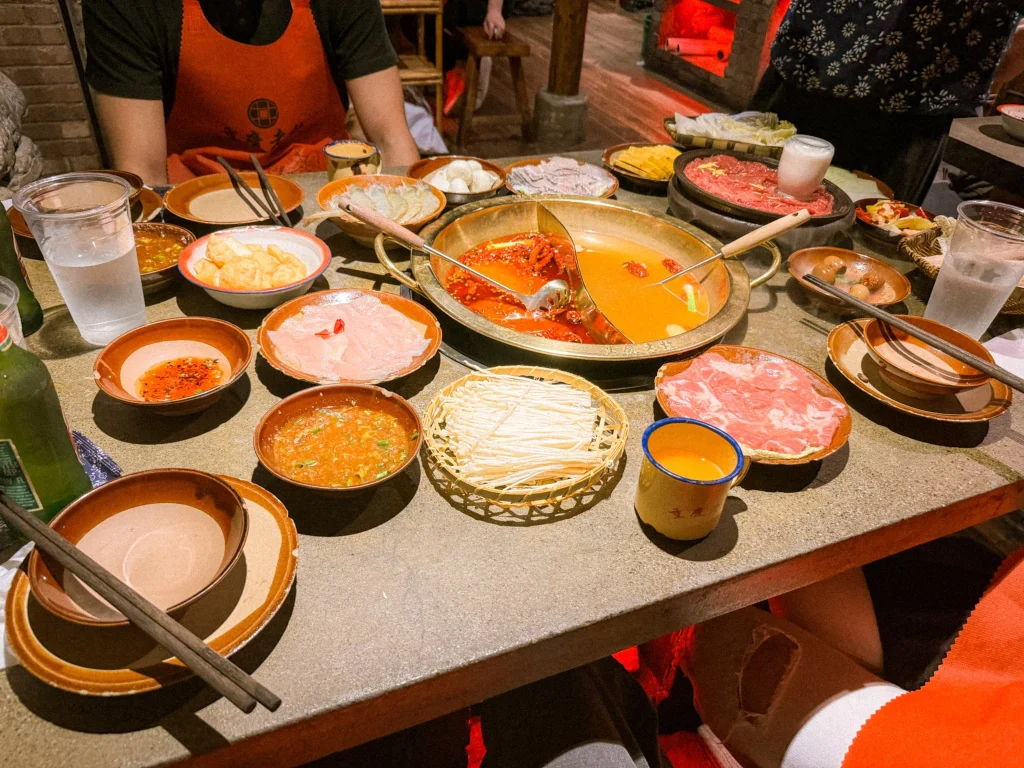
The restaurant’s appeal extends beyond its food. Its distinctive, Chinese-inspired interior creates an immersive atmosphere that makes a group dinner feel different from an ordinary restaurant visit. The setting can be particularly appealing for celebrations, family gatherings, and evenings with friends.
The cooking process is straightforward. Diners select a soup base, order plates of ingredients, and cook them in the bubbling broth. Thinly sliced meat cooks quickly, while vegetables, tofu, and mushrooms absorb the soup’s flavor as they simmer.
What makes Chong Qing Lao Zao stand out?
The defining feature is the intensity of its Chongqing-inspired broth. Sichuan peppercorns contribute a tingling sensation, while chili oil and other seasonings create a rich, spicy base. Diners who enjoy strong flavors may appreciate this style more than a mild soup.
The restaurant is also worth considering for groups that want a lively, shared dining experience. Everyone can order different ingredients, compare flavors, and cook food throughout the meal.
What should you order?
Consider thinly sliced beef, lamb, tripe, tofu, mushrooms, leafy greens, and noodles. These ingredients provide different textures and work well with a traditional Chinese hot pot meal.
If you are new to spicy hot pot, ask the staff about the heat level before ordering. A divided pot with a milder broth can be a useful option when your group has different spice preferences.
Who should visit?
Chong Qing Lao Zao is best suited to adventurous eaters, Sichuan cuisine enthusiasts, and groups looking for a memorable dinner. People who enjoy chili-forward dishes may find its cooking style particularly appealing.
Before visiting, confirm the current menu, prices, operating hours, and availability of your preferred soup base.
Haidilao Hot Pot — Best for Service and Customization
Haidilao Hot Pot is an internationally recognized restaurant brand associated with customizable hot pot dining and a service-focused approach. Its format gives diners control over their broth, ingredients, and dipping sauces.
For first-time visitors, this style can make hot pot easier to understand. Rather than ordering a single prepared dish, guests select ingredients and cook them at their own pace. The result is a meal that can change throughout the evening.

Haidilao is also a practical choice for groups with different tastes. One person may prefer spicy broth, while another may want a milder soup. A divided pot, when available, can accommodate both preferences.
What makes Haidilao different?
Customization is central to the experience. Diners can combine different ingredients, experiment with sauces, and choose how much of each item they want to eat.
Dipping sauces add another layer of variety. Garlic, scallions, sesame-based sauces, and other available condiments can complement the ingredients after they come out of the broth.
The restaurant’s service-oriented approach is another reason diners consider the brand. However, individual experiences may vary depending on how busy the restaurant is and which services are available during a visit.
What should you order?
Thinly sliced beef and lamb are popular starting points for hot pot. Add mushrooms, tofu, leafy greens, fish balls, and noodles to create a balanced selection.
If you enjoy experimenting, order a combination of ingredients with different textures. Tender meat, firm tofu, crunchy vegetables, and noodles can make the meal more interesting than ordering only one type of food.
Who should visit?
Haidilao is a strong option for families, first-time hot pot diners, and groups that want flexibility. It also suits people who enjoy preparing personalized dipping sauces and trying several ingredients during one sitting.
Check the current menu and pricing before visiting. Ask about broth charges, specialty ingredients, reservation options, and expected wait times during busy dinner periods.
Happy Lamb Hot Pot — Best for Lamb and Rich Broth
Happy Lamb Hot Pot offers an Inner Mongolian-inspired approach to hot pot dining. The restaurant is particularly associated with lamb and flavorful broth, making it an alternative to the chili-heavy style found at many Sichuan-inspired establishments.
Lamb plays an important role in this experience. Thinly sliced pieces cook quickly in simmering soup, making them convenient for diners who want to sample different ingredients without waiting long between servings.
The broth also contributes significantly to the meal. Rather than relying exclusively on intense heat, this style emphasizes a flavorful cooking liquid that complements the meat.
Why choose Happy Lamb Hot Pot?
Its lamb-focused identity makes it worth considering for diners who want to explore a different regional hot pot tradition. The shared-pot format also works well for groups because everyone can select ingredients and cook them as the meal progresses.
Hot pot is especially enjoyable when the table orders a variety of items. Vegetables, mushrooms, tofu, and noodles provide a contrast to the richness of the meat and broth.
What should you order?
Start with thinly sliced lamb if it is available on the current menu. Beef can provide another meat option, while mushrooms and leafy vegetables add variety.
Tofu and noodles are useful additions because they absorb the flavor of the soup. If you enjoy trying different combinations, add ingredients gradually rather than ordering everything at once.
Is it suitable for groups?
Yes, the communal format can be convenient for families and groups of friends. Diners can share the cooking experience while choosing the ingredients they enjoy most.
However, do not assume that every location or visit includes an all-you-can-eat package. Confirm the current dining format, menu prices, and ingredient availability before making a decision.
Who should visit?
Happy Lamb is worth considering for lamb enthusiasts, people who enjoy rich broth, and diners seeking an alternative to extremely spicy soup.
Liuyishou Hot Pot — Best for Chinese Broth Variety
Liuyishou Hot Pot is another option for diners interested in Chinese-style hot pot in Flushing. The brand originated in Chongqing, a city widely associated with spicy hot pot traditions.
The restaurant’s appeal comes from the combination of broth choices and ingredients that diners can prepare at the table. Depending on the current menu, guests may be able to choose spicy soup, milder alternatives, and different combinations of meat and vegetables.
This flexibility makes the experience suitable for groups that enjoy exploring different flavors. A divided pot can allow diners to experience contrasting broths during the same meal when the restaurant offers that option.
What makes Liuyishou worth considering?
The cooking format encourages diners to experiment. Beef, lamb, mushrooms, tofu, seafood, and noodles can take on different flavors depending on the soup base.
For people who enjoy spicy Chinese food, a chili-forward broth can provide a strong starting point. Those who prefer gentler flavors can ask about alternative soup bases.
The experience also encourages a slower style of dining. Instead of eating a prepared dish immediately, guests cook ingredients in batches and enjoy them as they are ready.
What should you order?
Consider thinly sliced beef, lamb, mushrooms, tofu, leafy vegetables, fish balls, and noodles. If the menu offers different broth combinations, ask the staff which options work well with your preferred ingredients.
First-time visitors should avoid ordering too many ingredients immediately. Starting with a few favorites makes it easier to judge portion sizes and decide what to add later.
Who should visit?
Liuyishou is a choice for Chinese hot pot enthusiasts, groups with varied spice preferences, and diners who enjoy sampling different broths.
Before visiting, check the current menu and ask whether the restaurant uses individual pricing, fixed-price packages, or another dining arrangement.
Spring Shabu-Shabu — Best for Japanese-Style Hot Pot
Spring Shabu-Shabu offers a Japanese-style alternative to the Chinese hot pot traditions associated with many Flushing restaurants. Shabu-shabu typically features thinly sliced meat, vegetables, tofu, and noodles cooked in simmering broth.
The cooking style emphasizes control and simplicity. Diners briefly cook thin slices of meat in the hot soup and then enjoy them with dipping sauces. Vegetables and other ingredients can remain in the broth longer, depending on their size and texture.
This approach can be attractive to people who prefer lighter flavors or want a break from chili-heavy soup.
What makes Spring Shabu-Shabu appealing?
The restaurant is associated with a buffet-style experience, giving diners the opportunity to sample different ingredients during their meal. Such a format can suit people who enjoy variety and want to try several combinations.
Shabu-shabu is also relatively easy for beginners to understand. Diners select their preferred ingredients, cook them in the broth, and add sauces according to taste.
What should you order?
Thinly sliced beef or pork is a natural starting point. Mushrooms, leafy greens, tofu, noodles, and other available ingredients can add variety.
Ask about the broth options before ordering. A mild soup can emphasize the natural flavors of the ingredients, while other available broths may provide a stronger taste.
What should you know about pricing?
Buffet prices and dining policies can differ between lunch, dinner, weekends, and holidays. Check the current price per person, included ingredients, time limits, and any restrictions before arriving.
Also, confirm the current location and operating hours. This is particularly useful when planning a group meal or visiting during a busy weekend.
Who should visit?
Spring Shabu-Shabu is worth considering for buffet enthusiasts, families, beginners, and people who enjoy Japanese-style cooking.
BeiJing Hot Pot — Best for Traditional Northern Chinese Hot Pot
BeiJing Hot Pot, also known as Jingmen Tonghuoguo, represents a traditional northern Chinese approach to hot pot dining. Its copper-pot presentation is a distinctive feature of this style.
Northern Chinese hot pot can emphasize the taste of the meat and the simplicity of the broth rather than relying entirely on intense chili flavors. For diners familiar with Sichuan hot pot, this offers an opportunity to explore another regional tradition.
The shared cooking format encourages conversation and experimentation. Guests can cook meat and vegetables in batches, allowing everyone to eat at a comfortable pace.
Why consider BeiJing Hot Pot?
Traditional presentation is an important part of the appeal. Copper pots are closely associated with certain northern Chinese hot pot traditions and give the meal a different visual character from more conventional tabletop setups.
The dining style also suits people who enjoy focusing on the ingredients themselves. A carefully chosen combination of meat, vegetables, mushrooms, and dipping sauces can provide plenty of variety without requiring an elaborate order.
What should you order?
Ask about the available soup bases and traditional meat selections. Thinly sliced meat, mushrooms, leafy vegetables, and tofu can provide a good starting point.
Dipping sauces are also worth exploring. The right combination can complement the broth and give each ingredient a slightly different flavor.
What should you know before visiting?
Menu availability, opening hours, and prices can change. Confirm these details before traveling, and ask whether the restaurant offers any specialty ingredients or traditional preparations that you particularly want to try.
Who should visit?
BeiJing Hot Pot is worth considering for diners interested in northern Chinese cuisine, traditional copper-pot presentation, and a hot pot experience that differs from spicy Chongqing-style cooking.
Coco Hotpot — Best for Coconut Chicken Hot Pot
Coco Hotpot provides a distinctive alternative to the spicy soups found at many Chinese hot pot restaurants. Its coconut chicken hot pot centers on chicken cooked in a coconut-based broth, creating a different flavor profile from traditional chili-forward soup.
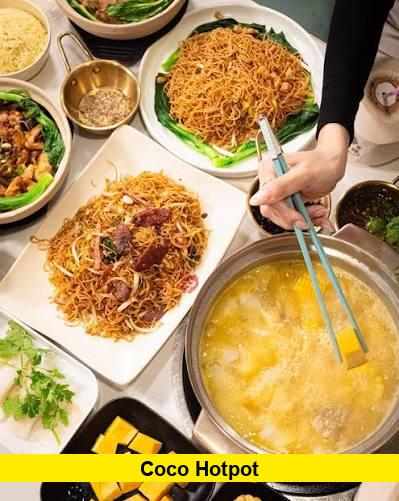
The coconut broth offers a naturally sweet character that complements the savory taste of chicken. This makes the style appealing to diners who want to try something different without choosing an intensely spicy soup.
The shared-pot format also makes coconut chicken hot pot suitable for couples, families, and small groups. Diners can enjoy the broth and ask about additional ingredients that complement the dish.
What makes Coco Hotpot different?
The defining feature is its coconut-based soup. While many hot pot restaurants emphasize chili, peppercorns, or rich meat-based broth, coconut chicken offers a different balance of flavors.
This does not mean that every dish on the menu is mild or that every available soup has the same flavor. Ask the staff about current options if you have specific preferences.
What should you order?
Coconut chicken hot pot is the natural starting point. Depending on the current menu, additional vegetables, tofu, and other ingredients can make the meal more varied.
Consider the portion size before ordering. If you are dining with a small group, ask whether the available set meals are designed for two or more people and whether extra ingredients are charged separately.
What should you know before visiting?
Confirm the current menu, prices, opening hours, and available dining options. If you plan to visit late at night, check the schedule directly rather than relying on an old listing.
Who should visit?
Coco Hotpot is worth considering for coconut chicken enthusiasts, diners who prefer a different flavor profile, and groups looking for an alternative to spicy Chinese hot pot.
How to Choose the Best Hot Pot Restaurant in Flushing
The best restaurant depends on the experience you want rather than a single ranking. Each style offers a different balance of broth, ingredients, cooking traditions, and atmosphere.
Consider these recommendations when deciding where to eat:
- For bold spicy flavors: Consider Chong Qing Lao Zao.
- For a customizable dining experience: Consider Haidilao Hot Pot.
- For lamb and rich broth: Consider Happy Lamb Hot Pot.
- For Chinese hot pot variety: Consider Liuyishou Hot Pot.
- For Japanese shabu-shabu: Consider Spring Shabu-Shabu.
- For traditional northern Chinese presentation: Consider BeiJing Hot Pot.
- For coconut chicken broth: Consider Coco Hotpot.
Your dining companions also matter. A restaurant with several broth options may be a better choice for a group with different spice preferences. A buffet may appeal to people who enjoy trying many ingredients, while a specialty restaurant can suit diners interested in one particular cooking style.
How Much Does Hot Pot Cost in Flushing?
Hot pot prices vary depending on the restaurant, dining format, broth selection, and ingredients ordered. Some restaurants use a buffet-style arrangement, while others charge for individual plates or shared specialty dishes.
Buffet dining may make it easier to estimate the basic cost per person. However, guests should review the package details carefully because some ingredients or upgrades may carry additional charges.
Restaurants that use individual ordering give diners greater control over the amount and type of food they select. This can work well for people who know what they want, but the total can rise quickly when a group orders premium meat and seafood.
Important pricing considerations include:
- Broth charges: Ask whether specialty soup bases cost extra.
- Premium meat: Specialty beef and other premium cuts may increase the bill.
- Seafood: Some seafood selections may be priced separately.
- Buffet rules: Check dining limits and restrictions on leftover food.
- Additional fees: Review applicable taxes and service charges.
- Group size: Shared dishes may be convenient, but portion sizes differ.
Always check current menu prices before visiting. Older online listings may not reflect a restaurant’s latest rates or dining policies.
Tips for Getting the Most Out of Your Hot Pot Experience
A little preparation can make a hot pot meal more enjoyable, particularly if you are visiting for the first time.
1. Choose the right broth. If you are unsure about spice levels, ask the staff for guidance. A mild soup or divided pot can help accommodate different preferences.
2. Start with a balanced selection. Order a mixture of meat, vegetables, mushrooms, tofu, and noodles. This gives you several flavors and textures to enjoy.
3. Cook ingredients thoroughly. Follow the restaurant’s guidance for cooking raw meat and seafood. Use separate utensils for raw and cooked food to reduce the risk of cross-contamination.
4. Experiment with dipping sauces. Garlic, scallions, sesame-based sauces, and other condiments can change the flavor of each ingredient. Start with small portions so you can adjust the seasoning.
5. Avoid ordering too much at once. Begin with a manageable selection and add more ingredients as needed. This helps reduce waste and makes it easier to keep track of what is cooking.
6. Allow enough time. Hot pot is a social meal. Cooking in batches, trying different ingredients, and sharing the experience can take longer than eating a prepared dish.
7. Check the restaurant’s policies. Some establishments may have specific rules for buffet dining, reservations, or large groups. Confirm these details before arrival.
Final Thoughts on the 7 Best Hot Pot Restaurants in Flushing New York
Flushing offers an impressive variety of hot pot experiences, from chili-rich Chongqing broth to Japanese shabu-shabu, lamb-focused soup, traditional copper-pot cooking, and coconut chicken hot pot.
Chong Qing Lao Zao is an option for diners seeking bold spice, while Haidilao offers a customizable experience. Happy Lamb appeals to lamb lovers, and Liuyishou provides another Chinese hot pot option. Spring Shabu-Shabu offers a Japanese-inspired alternative, BeiJing Hot Pot highlights northern Chinese traditions, and Coco Hotpot brings a distinctive coconut chicken specialty to the mix.
The best choice depends on your tastes, budget, and preferred dining style. Check current menus, prices, operating hours, and availability before visiting so you can plan your meal with confidence.
Have you tried any of these hot pot restaurants in Flushing? Share your favorite restaurant, your go-to broth, and the dishes other diners should try!
Thank you for your sharing. I am worried that I lack creative ideas. It is your article that makes me full of hope. Thank you. But, I have a question, can you help me?
Your article helped me a lot, is there any more related content? Thanks! https://www.binance.com/ar-BH/register?ref=V2H9AFPY
Your article helped me a lot, is there any more related content? Thanks!