International travel demand remains strong in 2026, but safety guidance continues to evolve as global conditions shift. The us travel advisory system remains one of the most important tools Americans rely on when deciding where it is safe to travel abroad.
Governments routinely update travel guidance based on security risks, political instability, crime levels, health concerns, and other factors that may affect U.S. citizens overseas. Recent updates highlight new warnings, revised risk levels, and ongoing restrictions that travelers should understand before booking an international trip.
Planning an overseas trip this year? Check the latest safety guidance before booking flights or hotels to avoid unexpected travel risks.
How the U.S. Travel Advisory System Works
The United States uses a four-level system to warn citizens about potential dangers abroad. Each country receives a rating based on current security conditions, law enforcement capacity, health risks, and regional stability.
The levels include:
- Level 1 – Exercise Normal Precautions: The lowest risk level, similar to everyday travel safety practices.
- Level 2 – Exercise Increased Caution: Indicates elevated risks such as crime, terrorism threats, or civil unrest.
- Level 3 – Reconsider Travel: Suggests serious security concerns or unstable conditions that may impact visitors.
- Level 4 – Do Not Travel: The highest warning level due to life-threatening risks or limited ability of U.S. authorities to assist travelers.
These advisories are reviewed regularly and may change quickly if conditions improve or deteriorate in a particular country.
More Than 20 Countries Under the Highest Warning Level
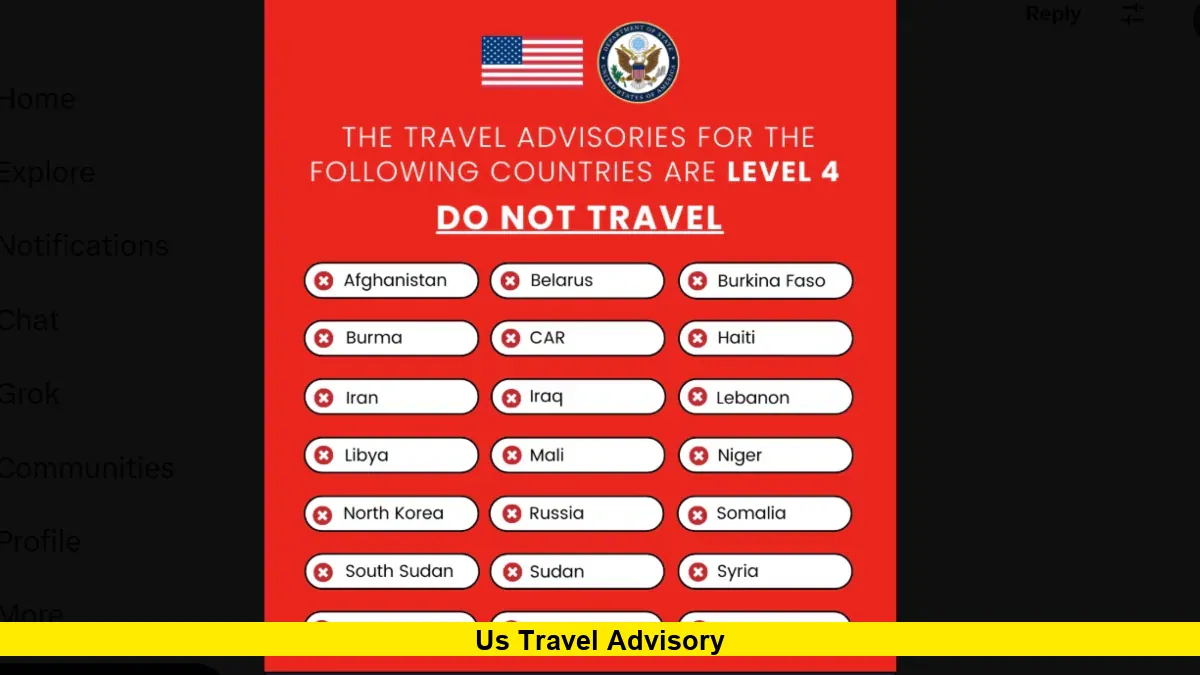
As of early 2026, the U.S. government has placed more than 20 destinations under Level 4 warnings, the most severe travel classification. These locations are considered high risk due to ongoing conflict, political instability, crime, or terrorism threats.
Countries frequently appearing on the highest warning list include:
- Afghanistan
- Haiti
- Iran
- Iraq
- Libya
- North Korea
- Russia
- Somalia
- Sudan
- Syria
- Ukraine
Travelers are advised to avoid these destinations entirely due to severe safety concerns and the limited ability of U.S. authorities to provide assistance during emergencies.
In some cases, the warnings also apply to specific regions within a country rather than the entire nation.
Recent Advisory Updates in 2026
Travel advisories continue to change as governments monitor global developments.
One example involves Bangladesh, where the advisory remains at Level 3 – Reconsider Travel. Officials note ongoing concerns related to crime, terrorism risks, and political unrest, although the level has remained unchanged after a security review.
In another development, security concerns in parts of Africa prompted the evacuation of non-essential personnel from Niger, reflecting the unstable security environment and limited U.S. government assistance available outside certain areas.
Advisories may also change in response to geopolitical tensions. In parts of the Middle East, embassies have urged Americans to remain cautious due to regional security developments and potential military tensions.
These adjustments demonstrate how travel guidance can evolve quickly, especially in areas experiencing political or security changes.
Before traveling internationally, always review the latest advisory level for your destination to ensure your plans align with current safety conditions.
Why Travel Advisories Change Frequently
Several factors influence when and why travel warnings are updated.
Security conditions remain the primary driver. Rising crime, terrorism threats, or armed conflict often lead to higher advisory levels. Natural disasters or public health emergencies can also trigger changes.
Government officials also consider whether U.S. embassies or consulates can effectively assist citizens in emergencies. In locations where diplomatic operations are limited or suspended, the risk level often increases.
Reviews typically occur every six to twelve months, though updates may happen much sooner if circumstances change rapidly.
Because of this, travelers should never assume that a country’s safety rating remains the same from year to year.
Travel Safety Tips for Americans Going Abroad
Even when visiting destinations with lower advisory levels, travelers should still take precautions.
Key safety practices include:
- Checking entry requirements and local regulations before departure
- Monitoring political or weather developments in the destination country
- Registering travel plans with government travel notification systems
- Keeping copies of important documents such as passports and visas
- Staying informed through official embassy announcements
Travel insurance and emergency planning are also recommended, especially when visiting regions with moderate or elevated advisory levels.
These precautions help reduce risk and ensure travelers can respond quickly if conditions change during a trip.
What Travelers Should Do Before Booking a Trip
For Americans planning international travel in 2026, reviewing advisory updates is one of the most important steps in the planning process.
Travel warnings provide insight into risks that may not appear in typical travel guides or tourism promotions. From civil unrest to health risks and regional conflicts, advisories offer valuable context about conditions on the ground.
The us travel advisory system helps travelers make informed decisions about where to go, when to travel, and what precautions to take. Understanding these warnings can prevent serious problems and help ensure safer journeys abroad.
As international travel continues to rebound, staying informed will remain a key part of responsible trip planning.
What do you think about the latest travel warnings? Share your thoughts or travel plans in the comments and stay informed about global travel updates.