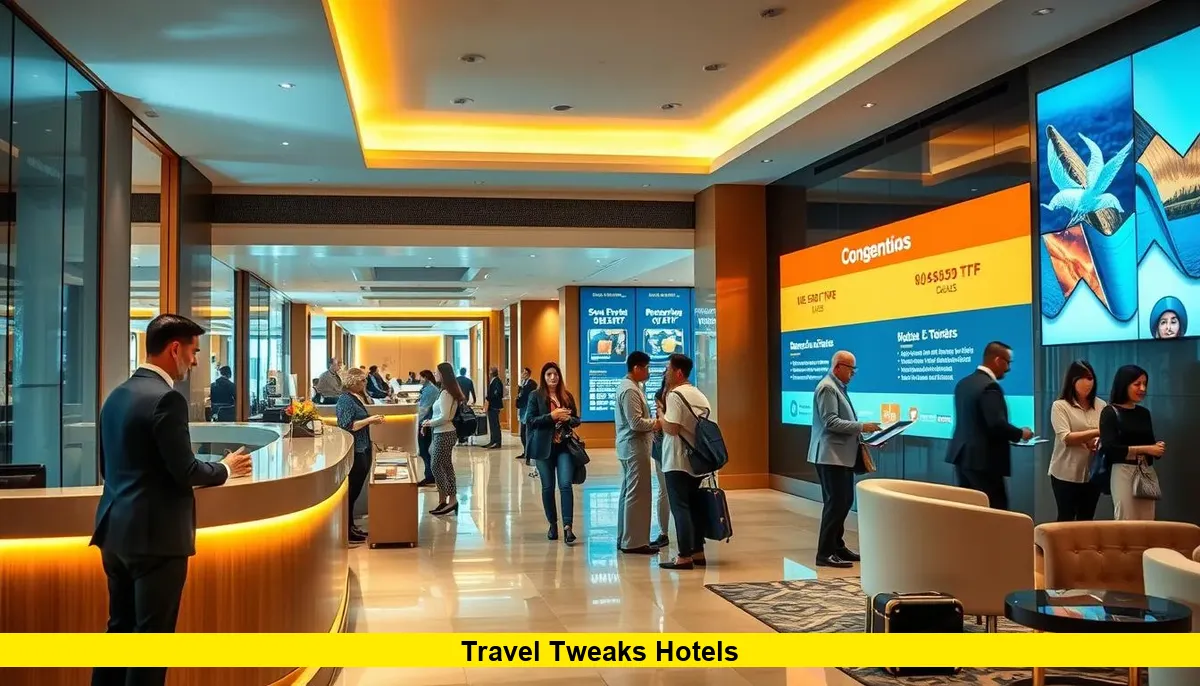
Travel tweaks hotels are transforming how Americans book their stays, especially in today’s changing travel economy. As hotel prices shift and competition increases across the U.S., travelers are learning that small booking adjustments can make a major difference in comfort, value, and flexibility.
The Evolving Hotel Market in 2025
The U.S. hotel industry in 2025 is facing a mixed recovery. Leisure travel remains steady, but business travel and international visitors are growing more slowly. Many hotels are adjusting rates to stay competitive, while travelers are becoming more strategic with their booking choices.
In several cities, hotel occupancy rates have flattened. This creates opportunities for travelers who are willing to plan smartly. The key? Making small, intentional “tweaks” in the booking process — timing, location, and benefits — to maximize what you get for your money.
What Does “Travel Tweaks Hotels” Mean?
The phrase “travel tweaks hotels” refers to small changes travelers make when booking or staying in hotels to improve their overall experience. These tweaks focus on better pricing, added perks, and smarter timing.
These strategies are based on verified travel trends seen across the hotel sector: travelers are no longer just looking for low prices, but for meaningful value — like free breakfast, flexible check-in times, and bonus loyalty points.
Top Travel Tweaks for U.S. Hotel Bookings in 2025
Getting the most out of your hotel stay in 2025 isn’t just about finding the lowest rate — it’s about understanding when, where, and how to book strategically. With hotel prices fluctuating and travelers becoming more price-savvy, even small adjustments can lead to big savings and added comfort. Below is an expanded look at the most effective travel tweaks hotels experts recommend for U.S. travelers this year.
Book During Midweek, Not Weekends
Timing remains one of the most powerful booking tools. Hotels typically experience higher demand from Friday to Sunday, especially in leisure destinations. Business-oriented hotels, on the other hand, see their occupancy peak during weekdays. To save money, aim for Tuesday to Thursday stays — these nights often come with discounted rates and better room availability. You may also find extra perks like free parking or complimentary breakfast during low-demand periods. In major cities like New York, Chicago, and Miami, midweek hotel stays can cost 10–25% less than weekend rates. If your schedule allows, even shifting your check-in by a single day can significantly reduce expenses.
Use Direct Hotel Websites for Added Benefits
While third-party booking platforms are convenient, they often charge commissions that prevent hotels from offering their lowest rates. Many chains, including Marriott, Hilton, and Hyatt, now reward direct bookings through “Member-Only” discounts and exclusive perks. Booking directly through the hotel website can unlock free Wi-Fi, breakfast packages, flexible check-in or checkout times, room upgrades, and bonus points. Another overlooked benefit of direct booking is better customer support. If your plans change or there’s a billing issue, dealing directly with the hotel is much smoother than going through a third-party agent.
Sign Up for Loyalty Programs — Even as a New Member
Loyalty programs are not just for frequent travelers. Most hotel groups offer free sign-up options that immediately unlock savings or perks. Programs like Marriott Bonvoy, Hilton Honors, World of Hyatt, and IHG One Rewards grant instant access to exclusive discounts, mobile check-in, and even late checkout privileges. In many cases, members also earn points that can be redeemed for future stays, upgrades, or partner discounts with airlines and rental car companies. Even if you only travel once or twice a year, these benefits can add real value. If you often book through online travel agencies, link your loyalty account before checking in — some hotels still honor benefits even when booked externally.
Monitor Prices and Rebook When They Drop
Hotel rates can fluctuate daily based on demand and availability. One of the most effective modern travel tweaks is monitoring your reservation after booking. Many hotels and booking sites offer free cancellation until a few days before arrival. This allows you to rebook at a lower price if rates fall. Tools like Google Hotels’ “Price Insights” and tracking apps can notify you when your selected hotel’s rate changes. For example, if you reserve a room for $180 per night and notice the price drops to $150 two weeks later, simply cancel and rebook under the new rate — saving $90 on a three-night stay. This strategy works especially well during shoulder seasons or in cities with frequent events that affect demand, such as Las Vegas, Austin, or Orlando.
Avoid Tourist Hotspots During Peak Season
One of the smartest travel tweaks hotels experts recommend is avoiding overcrowded districts or popular vacation weeks. Peak seasons — such as summer in Florida or spring in New York — can double hotel rates and limit flexibility. Instead, look for neighborhoods just outside the main attractions. These areas often provide more authentic experiences and up to 40% lower nightly rates. For instance, staying in Brooklyn instead of Manhattan, or near Anaheim instead of central Los Angeles, can make a big difference without sacrificing convenience. Additionally, traveling during shoulder months like April–May or September–October often results in better rates and fewer crowds. You’ll enjoy the same amenities at a fraction of the price.
Ask for Upgrades at Check-In
It’s one of the oldest but most effective travel tweaks hotels use: just ask. Many front desk managers have the flexibility to offer free upgrades when occupancy is lower. Here’s how to do it right. Be polite and friendly — first impressions matter. Ask specifically if there are any complimentary upgrades available. Mention special occasions such as birthdays or anniversaries if applicable. You might be offered a corner room, better view, or higher floor at no cost. Timing helps too — arriving later in the afternoon, when the front desk can see which rooms remain unsold, increases your chances. Even if an upgrade isn’t available, staff might still offer small perks like free drink vouchers or late checkout, simply because you asked courteously.
Bundle Flights and Hotels for Added Savings
When booking both flights and hotels, combining them into one package can lead to notable discounts. Many online travel platforms like Expedia, Priceline, and Kayak offer “bundle deals” that save travelers up to 15–20% compared to separate bookings. Bundling also simplifies travel management: one confirmation, one payment, and better protection if plans change. Some credit card travel portals even provide extra cash back or reward points for bundled bookings, adding to the savings. Just be sure to check that your bundle includes the same flexibility you’d get with individual bookings. Flexibility is key — especially if travel plans shift.
Choose Flexible Rates for Long-Term Value
A final but often overlooked tweak is to pay for flexibility. While non-refundable rates are cheaper upfront, flexible bookings give peace of mind and can prevent costly penalties if plans change. Flexible rates also allow you to apply the “price-drop rebooking” strategy, letting you adjust your reservation without fees. In 2025’s unpredictable travel environment, flexibility is often worth more than a 5–10% discount.
Why These Travel Tweaks Matter in 2025
The U.S. travel landscape continues to evolve, driven by fluctuating demand, shifting consumer habits, and inflationary pressures. With hotels offering more options and travelers seeking greater control, using these travel tweaks ensures you get the best balance of price, comfort, and convenience. Each of these methods — from booking midweek to bundling deals — empowers you to travel smarter and stay better, no matter your destination or budget.
Hotel Trends Supporting Travel Tweaks in 2025
The U.S. hotel landscape in 2025 continues to evolve, driven by traveler expectations and shifting market conditions. These changes are opening new opportunities for guests who understand how to make small adjustments — or “travel tweaks” — to get the most out of their stays.
Rate Adjustments Across Major Cities
Hotels across major urban markets such as New York, Los Angeles, Miami, and Chicago are responding to slowing demand with rate adjustments and creative promotional packages. Many properties are offering discounted multi-night stays, weekday deals, and seasonal sales to maintain occupancy levels. For travelers, this trend means it’s easier than ever to find competitive rates by timing bookings strategically. Even upscale brands are introducing limited-time offers to attract price-conscious guests, making mid-tier and premium experiences more accessible.
Increased Focus on Flexibility
Flexibility has become a top priority for modern travelers. Guests now expect the ability to cancel, modify, or reschedule their bookings without heavy penalties. In response, hotels are expanding flexible rate plans and adding new policies that favor customer convenience. This includes refundable options, same-day cancellations, and adjustable booking windows. Such flexibility allows travelers to secure the best deals early while retaining the ability to make changes if plans shift. As a result, flexible rates are becoming an essential part of every smart traveler’s booking strategy in 2025.
Rise of Boutique and Conversion Hotels
Independent hotels and boutique brands are thriving in 2025, offering distinctive design, personalized service, and better overall value. These smaller properties often occupy renovated buildings, blending historic charm with modern comfort. Travelers seeking more authentic experiences are increasingly choosing these conversion hotels over traditional chains. They not only provide unique stays but also competitive pricing and locally inspired amenities. For those applying travel tweaks, exploring boutique options can deliver better service and atmosphere without overspending.
Sustainability Preferences
Sustainability continues to shape travel decisions across the United States. More guests are actively seeking eco-conscious hotels that reduce energy use, eliminate single-use plastics, and source materials locally. Properties with green certifications or visible environmental initiatives are gaining favor among both leisure and business travelers. Many hotels are now highlighting sustainability features as part of their promotional offers — from EV charging stations to farm-to-table dining experiences. Travelers who prioritize these sustainable options often find added value in the form of healthier environments, community engagement, and meaningful travel experiences.
The Takeaway
Together, these trends show that 2025 is a year of opportunity for travelers who plan wisely. Rate adjustments, flexible bookings, boutique innovations, and sustainability efforts all work in favor of guests who know how to use them. By applying thoughtful booking strategies — such as choosing flexible rates, exploring boutique stays, and staying alert to seasonal deals — travelers can enjoy high-quality experiences while keeping costs in check.
Now is the perfect time to apply your travel tweaks and make every hotel stay more rewarding, sustainable, and affordable.
Practical Tips for Maximizing Every Stay
- Compare rates on at least two major platforms before confirming your booking.
- Always check what’s included in the rate — breakfast, parking, or cancellation policies.
- Contact the hotel directly to ask if they can beat or match online prices.
- Review recent guest ratings for cleanliness and service consistency.
- Look for hidden fees before confirming payment, especially resort or amenity charges.
Why Travel Tweaks Matter More Than Ever
The hotel industry in 2025 is going through one of its most dynamic phases in recent years. From shifting demand patterns to changing guest expectations, everything about how travelers book and experience hotels is evolving. This environment gives a major advantage to travelers who understand the importance of strategic booking — what we call “travel tweaks.”
These tweaks matter more than ever because the gap between a standard booking and a smart one has never been wider. A few well-timed decisions can now translate into significant savings, better comfort, and exclusive perks that weren’t as accessible in previous years. With hotels adjusting their prices more frequently and offering new promotions to attract guests, travelers who pay attention to timing and flexibility are the ones getting the most out of their stays.
Hotels across the U.S. are focusing more on guest engagement and direct relationships rather than depending solely on third-party platforms. This shift benefits travelers who are proactive — those who sign up for loyalty programs, compare multiple booking channels, and take advantage of direct booking offers. Many brands now provide guaranteed best rates, bonus rewards, or personalized room preferences for those who interact directly.
Moreover, travel behavior itself is changing. People are mixing business and leisure — a trend known as “bleisure” — and hotels are responding with hybrid amenities such as co-working spaces, flexible check-in options, and short-stay discounts. For travelers using smart booking tweaks, these adjustments open the door to tailor-made experiences that balance productivity and relaxation.
Planning ahead also helps travelers secure better locations and upgraded stays at lower prices. Booking early with a flexible rate allows you to monitor and rebook if prices drop, ensuring that you always lock in the best possible deal. Those who plan strategically can stay in premium properties that might otherwise have been out of reach.
In addition, travelers who engage with hotels through loyalty memberships gain long-term benefits that extend beyond a single trip. Over time, points accumulation, elite status perks, and complimentary upgrades lead to an overall better travel experience. These programs are no longer just for frequent travelers — many brands now reward even occasional guests with instant discounts and exclusive check-in benefits.
Ultimately, travel tweaks hotels are about control, personalization, and value. In a time when the travel landscape changes quickly, being adaptable is just as important as being thrifty. Whether you’re booking a spontaneous weekend getaway or a long family vacation, the right tweaks can transform a standard stay into a more comfortable, cost-effective, and memorable experience.
Hotels recognize this shift and continue to innovate for the traveler who plans smarter, not just sooner. By combining perfect timing, loyalty engagement, and flexibility, you can enjoy premium amenities without overspending — staying in better rooms, paying less, and traveling more confidently in 2025 and beyond.
In today’s evolving travel world, those who master the art of travel tweaks don’t just save — they elevate their entire hotel experience.
Final Thoughts
In 2025, travel success depends on strategy, not luck. By applying smart travel tweaks hotels enthusiasts recommend — such as flexible booking, direct contact, and off-peak timing — you can travel smarter and enjoy better stays without spending more.
Have you tried any of these hotel booking tweaks? Share your favorite travel tip in the comments and help others make their next stay even better!
Disclaimer:
This article is for informational purposes only. All details reflect publicly available hotel industry trends and general travel practices as of October 2025. Readers should verify specific rates, offers, and policies directly with hotels or booking platforms before making reservations.