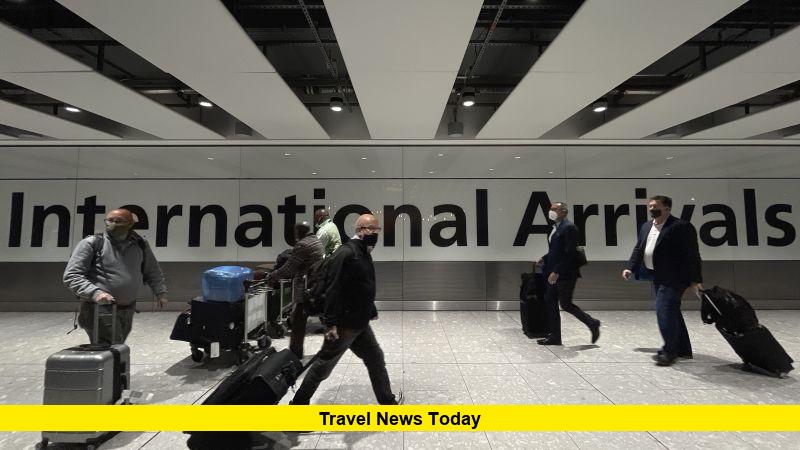
The United States is preparing to widen its travel restrictions to more than 30 countries, marking one of the most significant changes to border and immigration policy in years. This shift is already generating major attention, as travel news today highlights how millions of travelers, students, workers, and families could be affected once the expanded list becomes official.
A Major Expansion of the U.S. Travel Ban
U.S. officials confirmed this week that the administration plans to broaden the current travel ban significantly. The decision follows a national security review prompted by a recent violent incident involving a foreign national who had entered the United States under an earlier immigration program. In response, senior leaders stated that existing vetting systems failed to identify risks, accelerating efforts to strengthen restrictions.
The updated policy will increase the existing list of banned countries from 19 to more than 30. Officials say the new additions are nations with unstable governments or limited capacity to assist in verifying traveler identities and backgrounds. While the full list has not yet been released, authorities confirmed that final evaluations are underway and that the expansion is coming soon.
The current travel ban already blocks most visa applications — including tourist, business, student, and immigrant visas — for the 12 countries under full restriction, while seven others face partial bans. The expansion could double the number of affected nations and halt or delay thousands of immigration cases.
What the Current Ban Already Includes
The existing policy, enacted earlier this year, suspends immigrant and most non-immigrant visa categories for 12 fully restricted nations. These travelers are not permitted to enter the U.S., regardless of purpose, unless they receive rare exemptions.
An additional seven countries face partial restrictions that limit certain visa types. In practice, this means that many students, workers, and visitors from affected regions have already seen lengthy delays or outright denials.
Immigration agencies have also paused processing for individuals from all 19 currently restricted nations, including applications for green cards, work visas, and family reunification. With a new list approaching, hundreds of thousands of applicants worldwide may soon face further uncertainty.
Who Will Be Most Affected by the Expanded Ban
International Travelers
Tourists, business travelers, and students from newly added countries may be blocked from entering the United States once the expansion takes effect. Airlines, travel agencies, and global companies are preparing for possible route adjustments and logistical disruptions.
Immigrants and Visa Applicants
Anyone applying for:
- Immigrant visas
- Work permits
- Asylum or refugee status
- Student and exchange visas
may see extended wait times, increased background checks, or complete application freezes. Families with pending immigration petitions could face prolonged separations.
Businesses and Academic Institutions
Companies that depend on international travel, partnerships, or a global workforce may need to update contingency plans. Universities are also bracing for potential enrollment declines if more countries fall under the new restrictions.
Diplomatic Relations
Countries added to the expanded ban may react with diplomatic protests or reciprocal policies, potentially affecting trade and cooperation.
Why the Travel Ban Is Being Expanded
Officials stated that the travel ban is being broadened to improve national security and strengthen vetting procedures. They noted that some governments lack reliable documentation systems or consistent cooperation, making it difficult to verify traveler identities. The administration argues that limiting entry from these countries protects the U.S. until stronger vetting mechanisms are in place.
Critics, however, warn that the expanded ban could amount to large-scale discrimination based solely on country of origin. Civil rights groups and legal experts are preparing to challenge the new restrictions, claiming they unfairly punish entire populations without individual review.
What Remains Unclear
Several key details are still pending:
- The specific list of additional countries
- The date the expanded ban will take effect
- Whether exemptions will exist for dual nationals, approved visa-holders, or humanitarian cases
- How long the new restrictions will remain in place
Until the official announcement is released, travelers and applicants from many regions remain unsure of their future ability to enter the United States.
How Travelers Can Prepare Right Now
Monitor Updates Closely
Those planning to visit, study, or work in the U.S. should check for official updates regularly. Policy changes could take effect quickly once the expanded list is confirmed.
Avoid International Travel If Risky
Visa-holders already in the United States may want to avoid leaving the country until the finalized list is published, as re-entry could become difficult or impossible depending on nationality.
Expect Longer Wait Times
Even travelers from unaffected countries may face extended screening and processing as agencies adjust to new protocols.
Seek Professional Guidance
Immigration attorneys recommend reviewing pending applications to determine whether any proactive steps can be taken before the expansion is implemented.
What This Means for the Future of U.S. Immigration and Travel
The upcoming expansion marks one of the most sweeping moves in modern U.S. border policy. By increasing restrictions to more than 30 countries, the government is signaling a firm return to security-driven immigration strategies.
The implications are broad:
- International tourism may decline from certain regions
- U.S. universities could see reductions in foreign student enrollment
- Relationships with several countries may face new tensions
- Global companies may need to adjust staffing, travel, and operations
Economically, industries that depend on international talent and travel may experience short-term setbacks. Socially, families separated by immigration delays may face increased emotional and financial strain.
As the policy landscape shifts, travelers worldwide are waiting for clarity. For now, what is known reflects a major tightening of U.S. entry requirements and a significant change in how the country manages global mobility.
Have questions about how the updated travel restrictions could impact your region or future plans? Share your thoughts below and join the discussion.