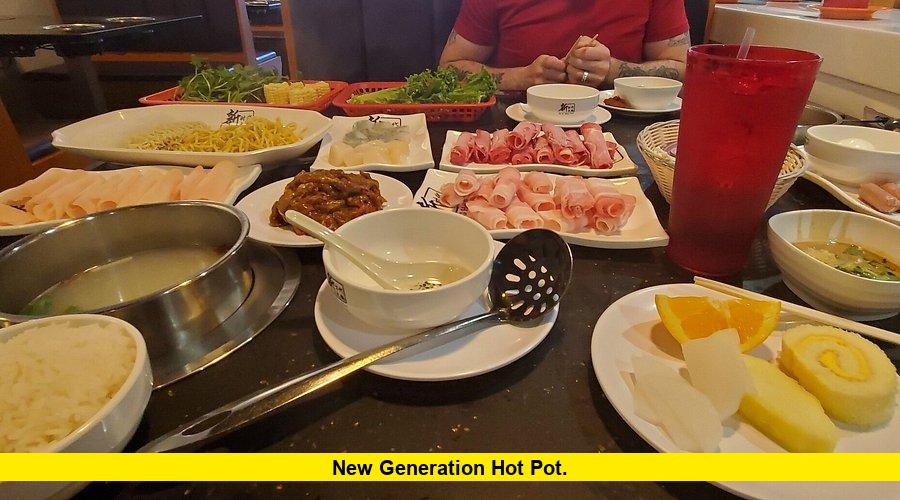
The new generation hot pot trend is redefining how Americans enjoy communal dining in 2025. Across the United States, hot pot restaurants are modernizing their approach—offering more customization, smarter technology, and health-forward ingredients. What was once a niche culinary experience has become a nationwide dining movement, appealing to food lovers who crave both flavor and connection.
The Rise of the New Generation Hot Pot in the U.S.
Hot pot dining has long been a staple of Asian cuisine, celebrated for its interactive nature and diverse flavors. In the U.S., it first gained popularity in Chinatowns and Asian-American communities. Now, with younger consumers seeking unique, social, and customizable dining options, the concept has evolved into what many call the new generation hot pot—a more inclusive, tech-driven, and health-conscious version of the traditional experience.
Recent years have seen a sharp increase in new hot pot openings across major cities like New York, Houston, Los Angeles, and Chicago. Many of these venues combine modern interiors, app-based ordering, and customizable broth stations, appealing to Gen Z and millennial diners who want experiences as much as meals.
What Defines the “New Generation” Experience
The new generation hot pot sets itself apart through innovation, comfort, and a focus on community. Here’s what makes it stand out:
- Customization at Every Level
Diners can now choose their broth flavor, spice intensity, and ingredient combinations. Some restaurants even offer dual or triple hot pot setups, allowing guests to enjoy multiple flavors in one sitting. - Technology Integration
Modern hot pot restaurants are increasingly using tablets for digital menus and ordering systems, while some even feature induction cooktops embedded in the tables for cleaner, safer, and more energy-efficient cooking. - Health and Sustainability
The new generation of hot pot dining emphasizes quality ingredients and health balance. Organic vegetables, lean proteins, and plant-based meat alternatives are now standard menu items. Many venues also promote low-sodium and gluten-free broth bases to cater to health-conscious eaters. - Fusion and Global Influence
Hot pot no longer belongs to a single cuisine. The latest wave combines Chinese, Korean, Thai, and Japanese inspirations. Some even merge American barbecue flavors into their broth selections, offering a creative cultural fusion that keeps the dining experience fresh. - Community and Social Connection
While the new generation hot pot incorporates technology, it doesn’t lose its heart—the sense of togetherness. The circular table setup, shared ingredients, and communal cooking bring people together, making it ideal for family gatherings, dates, and celebrations.
Popular Hot Pot Chains and Innovations in 2025
Across the United States, both established restaurant groups and new culinary entrepreneurs are embracing the new generation hot pot model with creativity, technology, and bold flavor diversity. From Texas to New York, these hot pot chains are reinventing the dining experience—making it more interactive, inclusive, and engaging than ever before.
Chocho Hot Pot – Texas’s New Culinary Destination
In the heart of Texas, Chocho Hot Pot has quickly become a local favorite. Launched in mid-2025, the restaurant combines the warmth of traditional Asian hot pot with a sleek, modern aesthetic designed to attract a wide range of diners.
The venue offers an all-you-can-eat format with over fifty premium ingredients—from wagyu beef and lamb slices to shrimp, crab, tofu, and fresh vegetables. Guests can choose from a variety of broth bases like spicy Sichuan mala, aromatic tom yum, savory sukiyaki, or light mushroom broth.
What sets Chocho apart is its dual-broth pot system, allowing guests to cook two different flavors simultaneously. Diners can also personalize their dipping sauces from a sauce bar featuring sesame paste, garlic oil, chili crisp, and dozens of condiments.
Chocho’s design reflects the “new generation” ethos—minimalist interiors, LED-lit tables, and touch-screen ordering that ensures seamless service. The restaurant also offers an extensive beverage list, from bubble tea to signature cocktails, appealing to younger diners seeking a social, immersive night out.
Beyond food, Chocho Hot Pot emphasizes experience—encouraging group dining, celebrations, and family gatherings in a cozy yet high-tech atmosphere. The concept embodies everything the new generation hot pot stands for: quality, interactivity, and connection.
Unglo – New York City’s Fusion of Fire and Broth
In bustling Manhattan, Unglo is redefining how New Yorkers experience hot pot. Rather than sticking to a single cuisine, Unglo blends Thai barbecue (“moo krata”) and Chinese-style hot pot, creating a hybrid that offers both grilled and simmered flavors on the same table.
This setup lets diners enjoy smoky, grilled meats while simultaneously dipping fresh ingredients into rich, flavorful broth. The dual-format table design—a sizzling grill in the center with a ring of bubbling broth around it—offers a multi-sensory experience that captures the essence of fusion dining.
Unglo’s menu highlights premium meats such as wagyu beef, marinated pork belly, and seafood options like scallops and lobster tails. For plant-based eaters, the restaurant offers mushroom platters, tofu selections, and vegan sauces, ensuring everyone can participate in the experience.
The interior design is another draw—neon-lit walls, modern Thai-inspired décor, and open-kitchen concepts where diners can watch chefs prepare fresh ingredients. Music and ambient lighting create a lively yet comfortable setting, making Unglo a hotspot for young professionals and trend-conscious food lovers.
By merging the art of grilling and simmering, Unglo embodies innovation in the new generation hot pot movement, bridging cultures while introducing an entirely fresh way to enjoy communal dining.
KPOT – The Nationwide Trendsetter
Among all the emerging brands, KPOT stands out as one of the largest and fastest-growing chains driving the new generation hot pot trend across the country. Known for combining Korean barbecue and Chinese-style hot pot, KPOT has successfully turned communal cooking into a mainstream American experience.
Founded with the goal of bringing “entertainment dining” to local communities, KPOT features interactive cooktops at every table, where diners grill meat and simmer ingredients in their choice of broth simultaneously. Its all-you-can-eat model and fixed-price menus make it both accessible and indulgent—perfect for group gatherings, birthdays, or casual dinners.
Each KPOT location delivers an energetic atmosphere with upbeat music, vibrant lighting, and youthful décor. The brand specifically appeals to millennials and Gen Z diners looking for social, shareable, and affordable dining experiences.
The chain’s innovation lies in its menu diversity and automation features. Guests can order through digital tablets, with staff focusing more on service quality and less on manual processing. Broths include everything from classic spicy mala to cheese-based or creamy miso broths, catering to a broad range of tastes.
With dozens of new locations opening in 2025, KPOT is leading the charge in making new generation hot pot a national phenomenon. Its ability to blend technology, convenience, and culinary excitement has set a high standard for future competitors.
Local Hot Pot Entrepreneurs and Regional Innovation
Beyond major chains, local entrepreneurs are also innovating in creative ways. Across California, Nevada, and Washington, smaller family-owned restaurants are crafting boutique hot pot concepts tailored to local preferences.
In Los Angeles, independent hot pot bars are introducing personal mini pots for solo diners, giving guests the freedom to customize their entire meal.
In Seattle, sustainability-focused venues are spotlighting organic produce and locally sourced seafood, aligning hot pot with farm-to-table principles.
In Las Vegas, experiential dining hubs are integrating immersive light shows and themed dining rooms, turning a meal into a spectacle.
These smaller ventures may not have the nationwide presence of KPOT, but they’re fueling innovation and keeping the new generation hot pot scene dynamic and locally inspired.
Why Americans Love the New Generation Hot Pot
The rise of the new generation hot pot across the United States isn’t just about delicious food—it’s about an immersive, interactive, and emotionally engaging dining experience that resonates with modern American values. As more people seek out meals that combine fun, flavor, and flexibility, hot pot has become a perfect fit for a country that values both individuality and togetherness.
Interactive and Engaging
One of the biggest reasons Americans love the new generation hot pot is its hands-on experience. Unlike traditional dining where food is simply served to you, hot pot invites every diner to become the chef of their own meal. Each table is equipped with a simmering pot of broth, and guests select raw ingredients—meats, seafood, vegetables, noodles, and sauces—to cook themselves.
This interaction transforms eating into an activity rather than a routine. It encourages conversation, laughter, and creativity as diners compare flavors, experiment with dipping sauces, or compete playfully over who can cook the perfect slice of beef. For many, this participatory element creates a stronger connection not just to the food, but also to the people they share it with.
Diverse and Inclusive
Another reason for its growing popularity is the inclusivity of the new generation hot pot. In an era when dietary preferences are increasingly varied, hot pot offers something for everyone.
From seafood enthusiasts to meat lovers, from vegetarians to vegans, everyone can enjoy a personalized meal. Restaurants typically provide a wide selection of ingredients—fresh vegetables, tofu varieties, premium meats, seafood platters, noodles, and even gluten-free options. Broths range from fiery and spicy to mild and herbal, ensuring that each diner can customize their experience to taste and tolerance.
This flexibility makes hot pot the ideal choice for mixed-diet groups—families, friends, or co-workers with different preferences can all dine together without compromise. It’s dining democracy in its purest form.
Healthy Indulgence
The health appeal of the new generation hot pot has also played a key role in its widespread acceptance. Unlike heavy, fried meals, hot pot revolves around boiling, simmering, and steaming—cooking methods that retain nutrients while reducing oil usage. Diners can control what goes into their pot, from the amount of spice to the level of sodium.
Modern hot pot restaurants now emphasize wellness-oriented options such as:
- Low-sodium and collagen-based broths
- Organic vegetables and lean meats
- Plant-based and tofu proteins
- Sugar-free and gluten-free dipping sauces
This means diners can indulge freely without feeling guilty. It’s comfort food with balance—allowing Americans to enjoy hearty flavors while aligning with the nation’s growing health-conscious mindset.
Social Appeal
Hot pot is, at its core, a social experience—and that’s exactly why it thrives in American culture. It’s designed for sharing, interaction, and connection. Sitting around a bubbling pot of broth encourages conversation and teamwork, as everyone participates in cooking, tasting, and serving.
For groups, it transforms a simple meal into a bonding ritual. Friends gather after work to unwind, families reconnect over shared cooking, and couples enjoy the intimacy of preparing food together. In a world increasingly dominated by fast food and takeout, hot pot stands out as a dining style that brings people back to the table.
Even restaurants themselves recognize this and design their spaces to foster connection—round tables, comfortable seating, and lively atmospheres make every visit feel like a celebration.
Trend-Driven Appeal
Finally, the new generation hot pot perfectly aligns with the lifestyle of younger Americans, especially millennials and Gen Z diners who crave experiences over possessions. Social media platforms like Instagram and TikTok have amplified the trend, with colorful broth bases, steam effects, and sizzling meats making for visually stunning posts.
New hot pot venues cater directly to this audience with:
- Modern interiors and neon-lit décor
- Digital menus and self-ordering systems
- Interactive “DIY” sauce stations
- Specialty cocktails and bubble teas for a complete experience
These touches make the hot pot outing feel less like a meal and more like an event. For a generation that values authenticity and novelty, the format checks every box—fun, social, aesthetic, and delicious.
Design and Atmosphere: The New Aesthetic
Step inside a modern hot pot restaurant today, and you’ll notice the difference immediately.
Soft lighting, spacious seating, and minimalist designs replace the loud, crowded setups of older establishments. Many new generation restaurants use earthy tones and contemporary furnishings, making them Instagram-worthy destinations.
Some even feature digital displays showing cooking tips or QR-code menus that make the experience smoother and more efficient. The combination of atmosphere and innovation elevates the meal from casual dining to a memorable culinary event.
Health-Focused Dining and Sustainability Trends
In line with broader food trends, many new generation hot pot restaurants prioritize sustainability. Locally sourced vegetables, ethically raised meats, and reusable utensils are becoming the standard.
Additionally, plant-based proteins—such as tofu, seitan, and mushroom medleys—are now central to menus. Light broths with herbal ingredients like goji berries, ginseng, and ginger are gaining traction, emphasizing both flavor and wellness.
Even dipping sauces are evolving—sugar-free, low-sodium, and vegan versions allow diners to tailor their meals to health goals without compromising taste.
What’s Next for the New Generation Hot Pot in America
The future of hot pot in the United States looks more dynamic than ever. Industry projections suggest steady growth in the communal dining and experiential restaurant sector over the next five years. As more Americans seek hands-on dining experiences, hot pot restaurants will continue to evolve—integrating automation, personalized service, and cross-cultural menu design.
Expect to see:
- More hybrid formats that merge hot pot with grilling, sushi bars, or ramen stations.
- Expansion of AI-driven ordering systems that recommend ingredients based on preferences.
- A rise in smaller urban hot pot bars catering to solo diners or couples, a nod to changing city lifestyles.
This modernization wave proves that new generation hot pot dining is not just a passing food fad—it’s becoming a cultural mainstay.
The new generation hot pot movement perfectly captures what American dining is all about in 2025: inclusivity, innovation, and interaction. Whether you’re a longtime fan or a first-time guest, this reinvented communal feast offers something new every time the pot starts to simmer.
Share your thoughts below—have you tried a new generation hot pot yet, and what made your experience unforgettable?