As of October 2025, the question “Is it safe to travel to Mexico right now?” is one that many U.S. travelers are asking before planning their fall or winter vacations. The short answer is yes, it is generally safe to travel to Mexico — but only if you understand where to go, where not to go, and how to stay alert to changing conditions.
Current Situation: Mexico Travel Safety in 2025
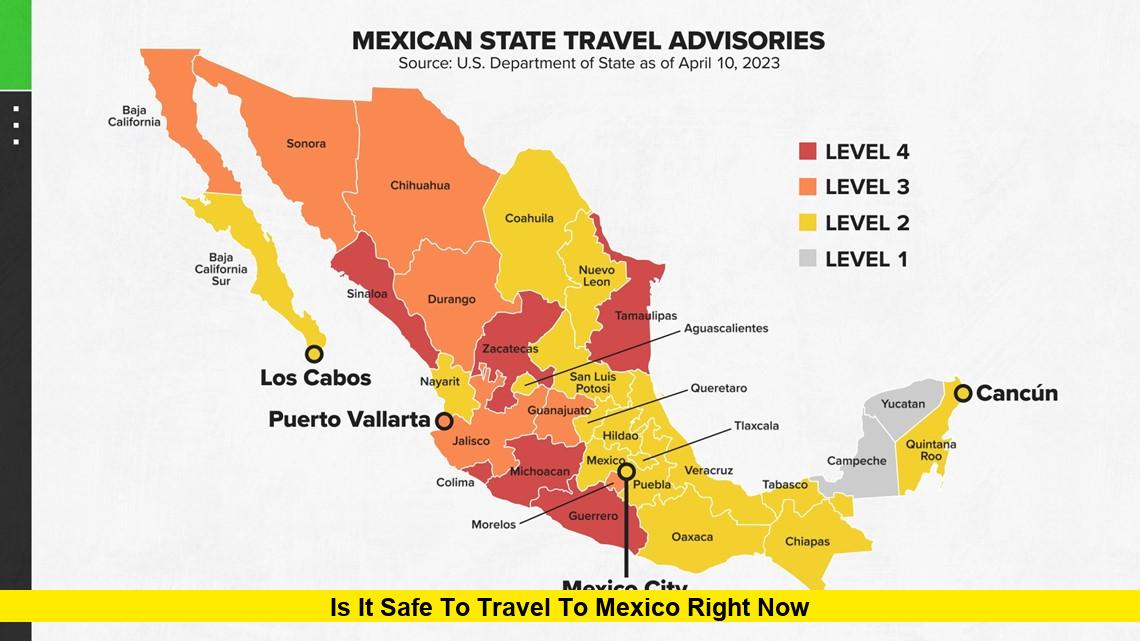
The U.S. government currently maintains a Level 2 travel advisory for Mexico overall, meaning travelers should “exercise increased caution.” However, this is not a blanket warning — the safety situation varies significantly between regions.
- Safe tourist zones such as Cancún, Tulum, Playa del Carmen, Los Cabos, and Puerto Vallarta remain open, well-patrolled, and heavily dependent on tourism. These areas have a strong police and hotel-security presence.
- Moderate-risk areas include Mexico City, Guadalajara, and Mérida, where petty theft and scams can occur, especially in crowded places.
- High-risk regions, particularly border states like Tamaulipas, Zacatecas, Michoacán, Sinaloa, and Guerrero, remain under stronger advisories due to organized-crime activity and limited emergency support.
So, while traveling to Mexico is possible and millions of Americans do it safely every year, certain areas remain off-limits for non-essential travel.
Why Some Areas Are Considered Risky
Mexico’s safety challenges are mostly linked to organized-crime violence, drug-trafficking routes, and local corruption. While this violence rarely targets tourists directly, visitors can occasionally be caught in incidents if they are in the wrong place at the wrong time.
Tourist zones like Quintana Roo (home to Cancún and Tulum) and Baja California Sur (Los Cabos) are relatively secure, but incidents like armed robberies, pickpocketing, or scams have been reported, especially at night or outside resort areas.
The Yucatán Peninsula, including Mérida and Campeche, continues to be one of the safest regions in Mexico — attracting retirees and long-term visitors from the U.S.
State-by-State Overview
| Region/State | Safety Level | Risks | Traveler Notes |
|---|---|---|---|
| Tamaulipas, Guerrero, Michoacán, Sinaloa, Zacatecas | Very High | Violent crime, kidnapping | Avoid all non-essential travel |
| Jalisco, Baja California, Chiapas | Moderate | Street crime, nighttime risk | Use caution, avoid rural travel |
| Quintana Roo, Yucatán, Campeche, Baja California Sur | Low | Petty theft, scams | Generally safe with normal precautions |
| Mexico City | Moderate | Pickpocketing, taxi scams | Stay in tourist districts and use registered rides |
Practical Safety Tips for U.S. Travelers
If you’re heading to Mexico, staying safe comes down to awareness, planning, and precaution.
Here are some essential safety guidelines for 2025:
- Stick to well-known destinations and established tourist zones.
- Avoid traveling at night, especially by road between states.
- Book reputable transportation — use hotel shuttles, authorized taxis, or rideshare apps.
- Limit cash and visible valuables in public spaces.
- Stay updated on local advisories through hotel staff or local authorities.
- Register your trip with the U.S. Smart Traveler Enrollment Program (STEP) for alerts.
- Use bottled water only and avoid street food in less-regulated areas.
- Keep emergency contacts handy — local police, U.S. Embassy, and your hotel front desk.
Health and Travel Logistics
Beyond safety concerns, travelers should also keep health and logistics in mind:
- Drinking water: Tap water in most areas is not safe; rely on sealed bottled water for drinking and brushing teeth.
- Travel insurance: Choose coverage that includes emergency evacuation and medical support.
- Vaccinations: Stay current with routine vaccines; some regions may require additional immunizations.
- Connectivity: Cell and internet service are strong in resort areas but limited in rural zones.
Travel infrastructure across Mexico has improved, with modern airports and roadways connecting major tourist centers. However, traffic rules and enforcement can differ from U.S. standards, so use caution when driving.
Tourism Outlook and Local Efforts
Mexico’s tourism industry continues to recover strongly, with nearly 40 million international visitors expected in 2025. The federal and state governments have expanded safety measures in major resort corridors — including enhanced hotel-zone patrols, increased airport screening, and 24-hour tourist hotlines.
Popular resorts like Cancún, Puerto Vallarta, and Cabo San Lucas now collaborate with U.S. consular teams and private security firms to ensure visitor protection. Many local businesses rely on tourism, making visitor safety a top priority.
When Travel Might Not Be Safe
There are still situations when postponing a trip may be wise:
- If your destination is under a Level 3 (“Reconsider Travel”) or Level 4 (“Do Not Travel”) advisory.
- If you plan to drive long distances across multiple states, especially near the U.S.–Mexico border.
- If hurricanes, protests, or local unrest are ongoing in your target region.
- If traveling alone to remote rural or mountainous areas.
Always check local advisories close to your departure date — conditions can shift quickly due to weather, politics, or crime activity.
Bottom Line
So, is it safe to travel to Mexico right now?
Yes — for most well-traveled resort destinations and cities that cater to tourists, it is generally safe. However, travelers should remain aware of regional differences and exercise increased caution.
Avoid high-risk states, plan carefully, and use common sense — and you can enjoy everything from Mexico’s beaches to its cities safely and responsibly.
If you’ve recently traveled to Mexico or plan to visit soon, share your experience or questions in the comments below — your insight helps others stay informed.