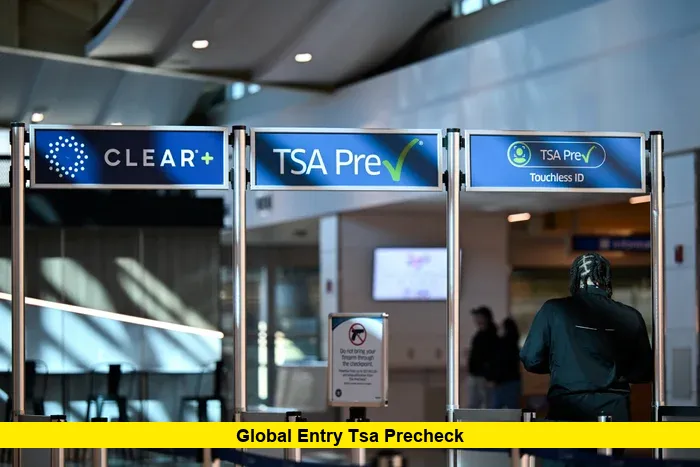
Airport security programs continue to evolve in 2026, and travelers across the United States are closely watching changes affecting Global Entry TSA PreCheck. From application demand to processing timelines and airport experience improvements, federal travel programs remain a key part of the flying experience for millions of Americans.
Air travel volumes remain high in early 2026, keeping expedited screening programs at the center of travel planning. Enrollment for trusted traveler programs has surged as more passengers seek faster security lines and smoother international arrivals. Officials continue adjusting staffing, technology, and appointment availability to handle this sustained demand.
Recent updates focus on enrollment backlogs, interview availability, program pricing stability, and expanded use of biometric technology at airports. These changes shape how quickly new applicants can join and how existing members move through security.
If you fly even a few times a year, staying informed about these programs can save time, reduce stress, and improve your airport experience.
Travelers planning trips this year should check membership status, renewal timelines, and interview options early to avoid delays.
What Global Entry and TSA PreCheck Do for Travelers
Global Entry and TSA PreCheck serve different but complementary purposes.
TSA PreCheck speeds up the domestic security screening process. Members typically keep shoes, belts, and light jackets on and leave laptops and compliant liquids in their bags. Dedicated lanes often move faster than standard screening.
Global Entry focuses on international arrivals. Members use automated kiosks or facial recognition lanes to bypass traditional passport control lines after returning to the United States. Importantly, Global Entry membership includes TSA PreCheck benefits.
This bundled value explains why many frequent travelers choose Global Entry even if they travel internationally only occasionally.
Application Demand Remains Elevated in 2026
Enrollment demand continues to stay strong across trusted traveler programs.
Travel growth after pandemic-era disruptions pushed many first-time applicants to apply, while a large wave of early program members now reaches renewal windows. This combination has created pressure on appointment availability in many regions.
Interview scheduling remains one of the biggest challenges for new applicants. Some enrollment centers show limited availability, especially in major metro areas. However, additional interview strategies continue to expand.
Many travelers now use Enrollment on Arrival, which allows conditional applicants to complete interviews when returning from an international trip. Pop-up enrollment events also appear periodically at airports and convention locations.
Applicants who remain flexible with location and timing often secure interviews faster.
Processing Times and Renewals: What Travelers Are Seeing
Processing timelines vary based on application volume and background review complexity.
Renewals often move faster than first-time applications, especially when submitted before membership expiration. Authorities continue encouraging members to renew up to one year before expiration to avoid lapses in benefits.
Conditional approval timelines fluctuate. Some applicants receive responses within weeks, while others wait several months depending on workload and review requirements.
Membership validity remains five years for both programs.
Travelers who apply early and monitor application dashboards regularly reduce the risk of losing access before upcoming trips.
After submitting an application, checking for appointment openings frequently can make a significant difference.
Pricing and Program Value in 2026
Program pricing adjustments introduced in recent years remain in place entering 2026.
Global Entry carries a higher application fee than TSA PreCheck but includes more benefits, making it a popular choice for international travelers. TSA PreCheck offers a lower-cost option for travelers who fly primarily within the United States.
Credit card reimbursement continues to influence enrollment decisions. Many travel-focused credit cards cover the application fee for one of the programs every four to five years, effectively reducing out-of-pocket cost for cardholders.
This reimbursement trend continues to drive steady enrollment growth.
For families, evaluating travel frequency and international trip plans helps determine which program offers better value.
Technology Expanding the Airport Experience
Technology upgrades remain one of the biggest changes shaping trusted traveler programs.
Biometric screening continues expanding at major airports, allowing members to move through checkpoints and border control using facial recognition instead of physical documents in some lanes. This technology aims to reduce wait times and improve identity verification.
Digital ID pilots also continue, enabling travelers to store identification credentials on mobile devices at select airports.
Automated bag screening improvements help maintain the TSA PreCheck experience even as passenger volume increases. New scanners allow passengers in some lanes to keep electronics inside bags.
These technology investments support faster throughput while maintaining security requirements.
Airport Availability Continues to Grow
TSA PreCheck lanes now operate at hundreds of airports nationwide, covering the majority of U.S. commercial air travel. Airlines participating in the program continue to expand, allowing more travelers to use benefits across different carriers.
Global Entry kiosks and facial recognition lanes also continue expanding at international arrival airports. This growth helps reduce bottlenecks during peak travel periods.
Travelers may still encounter variation between airports. Smaller airports sometimes have limited dedicated lanes, and wait times can differ by time of day.
Checking airport-specific information before departure helps set realistic expectations.
Who Benefits Most From Each Program
Choosing between programs depends on travel patterns.
Frequent domestic travelers benefit significantly from TSA PreCheck’s faster security process. Even occasional flyers often see value during busy holiday travel periods.
International travelers gain the most from Global Entry because it speeds up reentry to the United States while also providing TSA PreCheck access.
Families traveling together should consider that children may receive TSA PreCheck access when traveling with an enrolled parent, depending on age and airline booking details.
Business travelers often view trusted traveler programs as essential rather than optional due to time savings.
Common Application Mistakes to Avoid
Several common issues slow applications.
Incomplete travel history, mismatched personal information, and outdated passport details can delay review. Applicants should double-check forms carefully before submission.
Missing interview appointments also creates delays. Rescheduling quickly helps avoid long waits for new openings.
For renewals, waiting until membership expires may cause temporary loss of benefits. Submitting early remains the best strategy.
Travelers should also monitor email notifications and application dashboards for status changes.
What Travelers Should Expect This Year
In 2026, travelers can expect continued demand, gradual technology expansion, and ongoing adjustments to enrollment capacity.
Authorities continue working to reduce interview backlogs through staffing changes and expanded enrollment options. Airport modernization efforts aim to preserve the faster experience members expect.
While timelines vary, trusted traveler programs remain a central part of the U.S. airport system.
Travelers who plan ahead, apply early, and stay flexible with interviews typically experience the smoothest process.
Why Trusted Traveler Programs Still Matter
Airport congestion remains a reality, especially during peak travel seasons. Trusted traveler programs offer predictability, which many travelers value as much as speed.
Shorter lines, fewer screening steps, and faster border processing reduce uncertainty. For business travelers, this translates into schedule reliability. For leisure travelers, it means less stress at the airport.
As travel demand stays strong, expedited screening programs continue to play a major role in how Americans move through airports.
The value extends beyond convenience. These programs shape traveler expectations and influence airport operations nationwide.
Looking Ahead
The future of expedited screening points toward deeper biometric integration, more digital identity use, and broader enrollment access.
As airport infrastructure evolves, trusted traveler programs will likely remain a key part of travel planning for both domestic and international trips.
For travelers preparing upcoming trips, reviewing membership status now can prevent last-minute complications and long security lines.
Understanding how Global Entry TSA PreCheck works — and how it continues to change — helps travelers make smarter decisions before arriving at the airport.
If you plan to travel this year, checking enrollment status and renewal timing today can make your next airport experience significantly smoother.
What has your experience been with airport fast-track programs? Share your thoughts or check back for new updates.