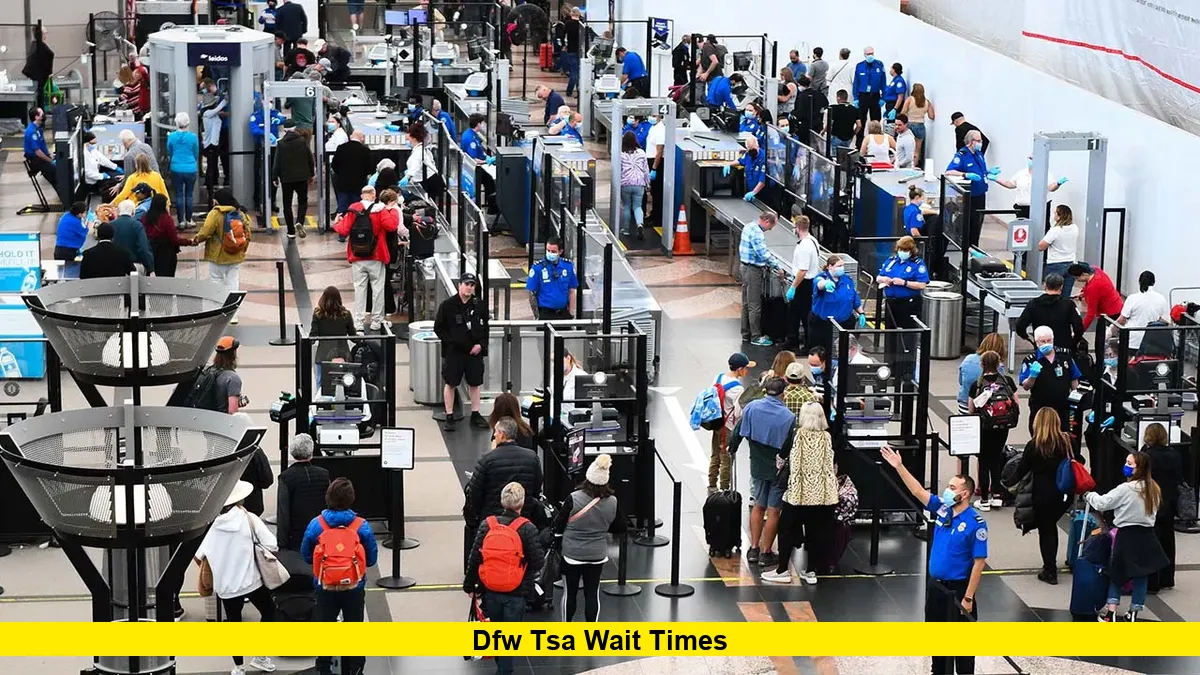
Travelers across the country are increasingly searching for dfw tsa wait times as airport security delays become a growing concern nationwide. While several major U.S. hubs are experiencing long lines and operational strain, Dallas Fort Worth International Airport is emerging as a point of comparison due to its relatively stable and predictable screening experience.
Why This Topic Is Trending
Airport security delays have surged into the national spotlight this week as travelers report inconsistent screening times at major airports. Social media posts, passenger complaints, and travel disruptions have fueled interest in TSA performance across the country.
DFW has become part of that conversation because it stands in contrast to some of the worst delays being reported elsewhere. Travelers are actively comparing wait times between airports, and DFW is frequently cited as one of the more efficient large hubs.
If you’re planning to fly soon, keeping track of how wait times are evolving can help you avoid unnecessary stress at the airport.
Background on TSA Operations at DFW
Dallas Fort Worth International Airport is one of the busiest airports in the world, handling tens of millions of passengers annually. With five terminals and multiple security checkpoints, the airport is designed to distribute passenger flow efficiently.
Unlike smaller airports, DFW allows travelers to pass through security at any terminal and then transfer internally using the Skylink train system. This flexibility helps reduce bottlenecks and gives passengers more control over their experience.
TSA operations at DFW typically include standard screening lanes along with expedited options such as TSA PreCheck and identity verification lanes designed to speed up the process.
What Triggered the Current Discussion
The renewed focus on airport security wait times stems from a wave of delays reported at several U.S. airports. Staffing challenges and operational disruptions have led to longer lines, with some travelers reporting extended waits at security checkpoints.
In that environment, DFW’s current performance has drawn attention. As of now, most checkpoints at the airport are processing passengers within a relatively short timeframe, often staying within a manageable range compared to national trends.
This contrast has made DFW a key reference point in discussions about airport efficiency and travel planning.
Public Reaction From Travelers
Passenger reactions have been mixed across the country, but travelers moving through DFW have largely reported smoother experiences.
Many travelers describe:
- Consistent movement through security lines
- Shorter waits compared to other major airports
- Less congestion due to multiple checkpoint options
At the same time, some passengers note that peak travel hours still bring moderate delays, particularly in terminals handling high volumes of domestic or international flights.
Overall, the response highlights a sense of relief among travelers passing through DFW, especially when compared to reports coming from more heavily impacted airports.
What Officials and Authorities Are Saying
Airport and security officials have emphasized the importance of preparation and timing when it comes to navigating TSA checkpoints.
They continue to advise travelers to:
- Arrive at least two hours before domestic departures
- Allow three hours for international flights
- Monitor checkpoint conditions before arriving
Officials also point to the airport’s infrastructure and operational planning as key factors in maintaining steady throughput, even during periods of increased demand.
Why This Topic Matters Right Now
The attention on TSA wait times reflects a broader issue affecting air travel across the United States. As passenger volumes fluctuate and operational pressures increase, security checkpoints have become one of the most unpredictable parts of the travel experience.
For travelers, this means:
- Greater need for planning and flexibility
- Increased reliance on real-time updates
- Awareness of peak travel patterns
DFW’s relatively stable conditions highlight how infrastructure, staffing, and airport design can influence traveler experience.
Understanding these differences can help passengers make smarter decisions when booking flights or planning connections.
Current DFW TSA Wait Times and What to Expect
At present, dfw tsa wait times remain generally within a manageable range for most travelers.
- Many checkpoints are processing passengers in under 15 minutes
- Busier periods may push waits closer to 20–25 minutes
- Off-peak hours often see minimal delays
These conditions position DFW as one of the more predictable major airports for security screening right now.
However, timing still plays a critical role. Early morning departures and late afternoon travel windows tend to attract higher passenger volumes, which can increase wait times.
What Comes Next for Travelers
Looking ahead, airport security conditions are expected to remain a key concern as travel demand continues to shift.
Travelers should expect:
- Continued variation between airports
- Potential changes in wait times during peak travel periods
- Ongoing adjustments in staffing and operations
DFW is likely to remain a focal point in these discussions, particularly if it continues to maintain relatively smooth screening compared to other major hubs.
For passengers, the takeaway is clear: staying informed and planning ahead remains essential for a smoother travel experience.
The Bottom Line
DFW’s current performance is offering travelers a level of consistency at a time when airport security delays are making headlines nationwide. While no airport is immune to congestion, Dallas Fort Worth is showing how efficient operations and smart infrastructure can make a measurable difference.
Have you experienced TSA lines at DFW recently? Share your experience and keep following for the latest travel updates.