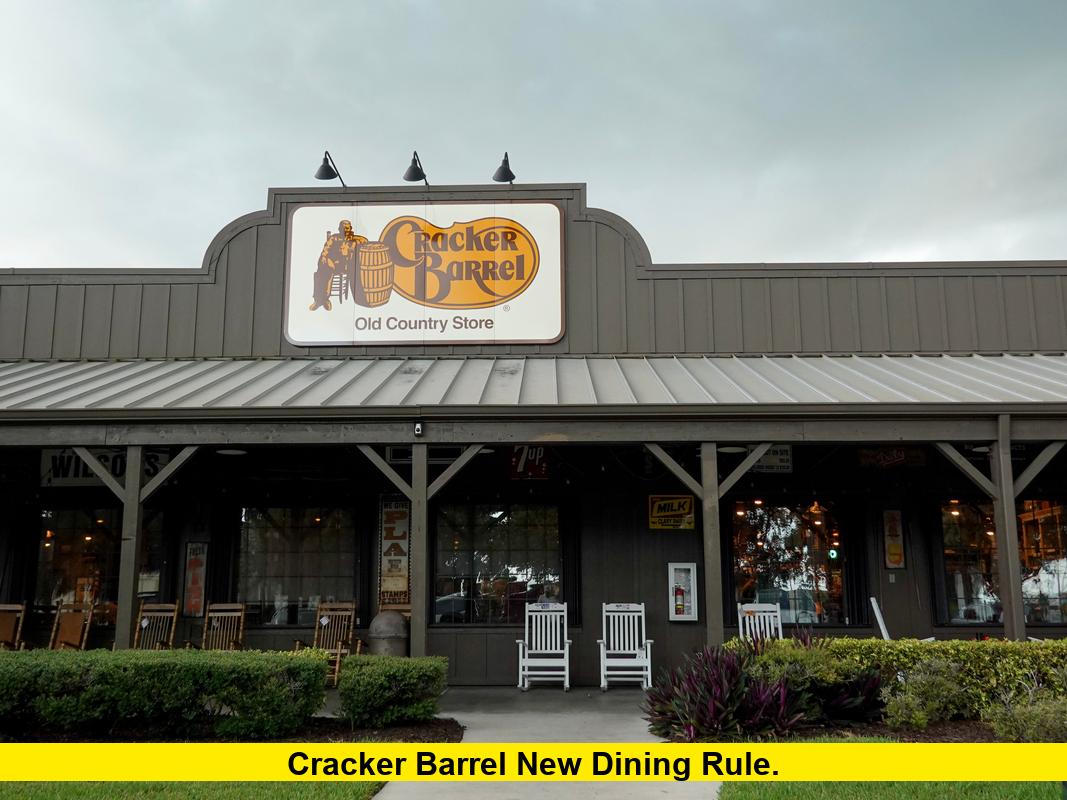
In a move that has grabbed national attention, Cracker Barrel has quietly put a cracker barrel new dining rule in place that changes how the beloved Southern restaurant chain treats employee meal expenses during business travel. This internal shift is part of a broader strategy to tighten spending and redirect focus after a turbulent period for the company.
Today’s article breaks down exactly what this change involves, why it’s happening, how employees are reacting, and what it might mean for Cracker Barrel’s place in American culture and business.
What the New Dining Rule Actually Says
A recent internal directive from Cracker Barrel instructs employees who travel for work to eat primarily at Cracker Barrel restaurants whenever possible. Under this rule, workers on business trips are expected to choose meals at the company’s locations for most, if not all, of their dining while away from home. This applies “when practical based on location and schedule,” meaning employees likely won’t face penalties if no Cracker Barrel exists nearby — but the clear preference is for them to dine at the chain.
In addition, the company will not cover or reimburse alcohol purchases made during travel unless senior leadership gives specific approval ahead of time. So budget-friendly soft drinks and meals become the norm, while bar tabs will no longer be part of the standard travel expense package.
Paying for alcohol out of pocket is now standard unless special authorization is obtained. This effectively means the company is tightening expense controls across the board.
Why This Policy Was Introduced
Behind this new policy is a broader effort by Cracker Barrel to reduce corporate spending while attempting to stabilize its business. Over the last year, the chain has faced several challenges, including a controversial attempt to rebrand that sparked backlash among its customer base and even shook investor confidence. These events reportedly contributed to slower customer traffic and the need for stronger cost discipline within the company.
The new dining directive is aligned with that push to trim costs, especially in areas like travel meals that are often among the largest variable corporate expenses. By having employees consume meals at the restaurants they oversee and promote, Cracker Barrel aims to cut down spending — and perhaps subtly reinforce confidence in its own offerings.
Reaction from Employees and Observers
Word of the new dining policy quickly spread after an internal memo circulated and details emerged through media reports. Employees who travel for work — often corporate staff, trainers, and regional managers — are seeing this change as a real shift in how their travel expenses will be handled.
Some workers see the requirement as overly restrictive, especially given how limited Cracker Barrel locations are in certain regions of the United States. Critics argue it could force employees into impractical dining situations where no company restaurants exist nearby, making meal planning more complicated and inconvenient.
Others point out that the policy could have been framed as a perk — encouraging employees to try more of their own product — rather than a directive on reimbursement policy. Regardless, the change is clearly part of a trend where companies are pushing stricter internal spending rules to cope with economic pressures.
The Context: Rebrand Tumbles and Financial Shifts
To understand the timing of this new dining rule, it helps to look at where Cracker Barrel has been over the last year. In 2025, the company stirred controversy with a rebranding attempt that included an updated logo and modernized interior designs for select locations. That effort triggered vocal dissatisfaction among loyal patrons, leading the chain to backtrack and reinstate core elements of its classic identity.
These events coincided with observable declines in customer traffic and revenue growth. The challenges prompted leadership to reassess operations across the board, including marketing focus, menu offerings, and now internal travel standards.
Putting a focus on where employees eat while on the road fits into a larger narrative of internal tightening after a costly year of shifts and course corrections.
Business Travel in Today’s Corporate World
Cracker Barrel’s new dining directive is far from the only example of companies adjusting travel policy. In recent years, many organizations across the U.S. have reduced per diems, limited expense categories, and prompted employees to seek cost-effective accommodations as part of a larger cost containment strategy.
This reflects broader economic trends in corporate America, where travel budgets are some of the first to be scrutinized when overall performance lags.
But requiring travel staff to eat almost exclusively at their own brand’s restaurants — and barring alcohol reimbursement — is unusual and has drawn headlines precisely because it blends corporate cost controls with brand identity in an atypical way.
What Customers and Fans Are Saying
Public reaction to the announcement has been mixed. While many Cracker Barrel customers are largely unconcerned with internal employee travel policies, some see this as a reflection of broader issues at the restaurant chain. Discussions on social platforms suggest that some patrons are watching the company’s operational shifts closely, given recent debates over menu changes and restaurant redesigns.
Other customers appreciate the chain’s classic homestyle dining and have expressed hope that new operational decisions will ultimately support the longevity of the brand.
The debate highlights the emotional connection many Americans have with Cracker Barrel — not just as a place to eat, but as a nostalgic roadside institution woven into road trip traditions and family memories.
Could This Change Broader Company Culture?
Beyond travel expenses, this new dining rule may reflect deeper shifts within the company culture. When a business encourages employees to engage more with its core product — even in small ways like dining — it sends an internal message that these offerings matter.
Critics might argue that such policies are gimmicky or impractical. Supporters could counter that having employees regularly experience the product they represent could inform better decisions and reinforce pride in the brand.
Whether this policy leads to significant cultural shifts within the company remains to be seen, but it certainly adds to ongoing discussions about Cracker Barrel’s direction in the current business landscape.
Looking Ahead: What This Means for Cracker Barrel’s Future
Cracker Barrel’s implementation of this new dining rule marks another turning point in its recent journey. After navigating controversy, customer feedback, and the changing economics of restaurant operations, the company appears focused on tightening internal spending while reaffirming its identity.
As restaurant chains nationwide continue adapting to shifting consumer behaviors and economic pressures, adjustments like this one may become more common — particularly in travel expense management.
For Cracker Barrel, the real test will be whether this policy strengthens internal alignment without dampening employee morale or creating unintended operational headaches.
The focus on dining internally might help the company gather more direct feedback from employees about menu and service — but only time will tell how effective the rule proves to be.
Share your thoughts below or check back soon for updates on how this policy evolves.